
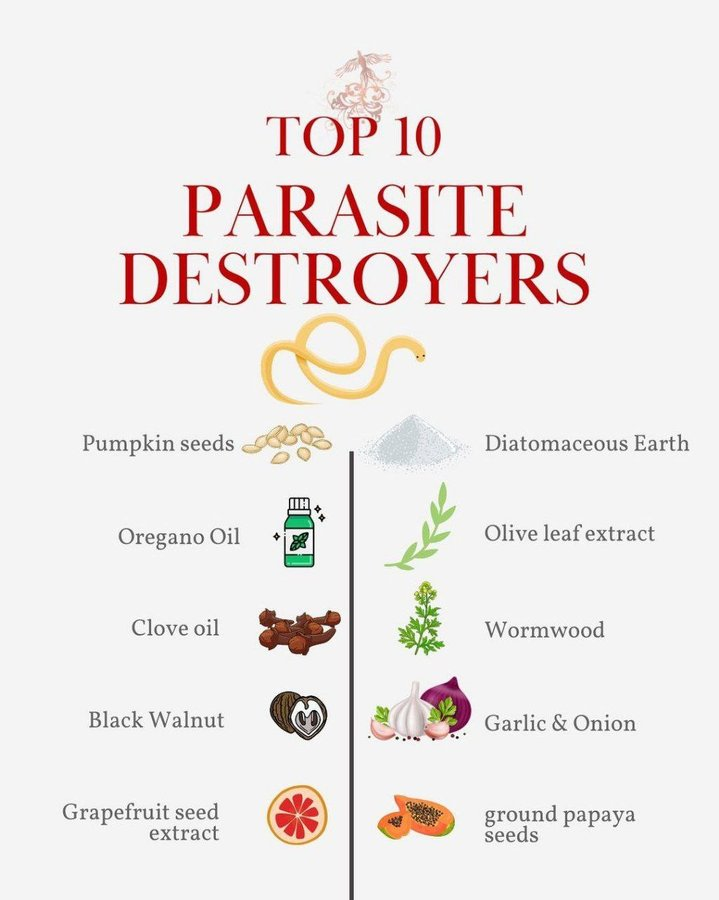
In the age-old battle against parasitic invaders, nature has equipped us with a formidable array of weapons. These remedies are not only rooted in tradition but are also gaining traction in scientific research for their anti-parasitic properties. Below, we delve into the top ten natural substances that have been revered as parasite destroyers.
Pumpkin Seeds: Long used in traditional medicine, these seeds are not only nutritious but contain cucurbitacin, which has been shown to paralyze worms, making them easier to expel from the body.
Diatomaceous Earth: Composed of the fossilized remains of ancient aquatic organisms, this fine powder can cause physical damage to parasites’ exoskeletons, leading to their dehydration and death.
Oregano Oil: This potent herb is more than just a flavor enhancer. Carvacrol, a compound found in oregano oil, has demonstrated parasiticidal effects, especially against Giardia lamblia.
Olive Leaf Extract: With oleuropein as its active component, olive leaf extract disrupts the replication process of many pathogens, thereby offering a broad-spectrum anti-parasitic impact.
Clove Oil: Known for its eugenol content, clove oil has been utilized for its antimicrobial properties, which extend to combating various parasites.
Wormwood: A key ingredient in traditional parasite-fighting remedies, wormwood contains compounds that are toxic to many parasite species, particularly those that cause malaria.
Black Walnut: The hulls of black walnut contain juglone, a natural compound with strong anti-parasitic activity, particularly against intestinal parasites.
Garlic & Onion: These kitchen staples are endowed with allicin and other sulfur-containing compounds that have been recognized for their ability to fight off parasites.
Grapefruit Seed Extract: This extract harbors powerful antimicrobial properties that are effective in inhibiting the growth of various parasitic fungi and protozoa.
Ground Papaya Seeds: These seeds contain an enzyme called papain that can destroy intestinal parasites by dissolving their protective coatings.
While these remedies offer hope for non-pharmacological interventions, their use should be guided by evidence and medical advice. Consultation with a healthcare provider is essential before beginning any self-treatment for parasites.
Remember, it’s crucial to use natural remedies wisely and to seek professional medical advice for any health issues.