

In our society, the colors black and white hold significant meaning, extending beyond mere descriptors of hue to encompass complex layers of symbolism, connotation, and cultural interpretation. From legal terminology to everyday language, the words “black” and “white” evoke varied perceptions and associations, often with profound implications for individuals and communities. Let’s delve into the multifaceted meanings of these terms, examining both their historical contexts and contemporary usage.
The Black Perspective:
For centuries, the term “black” has been used to describe individuals of African descent, carrying with it a legacy of oppression, marginalization, and racial prejudice. The association of “blackness” with negative concepts, such as the “black sheep of the family” or “blacklisted,” reflects deeply ingrained biases within society. These linguistic constructs not only perpetuate harmful stereotypes but also reinforce systemic inequalities.
Moreover, the use of “black” in legal terminology, while ostensibly neutral, can inadvertently perpetuate racial bias. For example, the term “black market” implies illegality and immorality, subtly reinforcing negative perceptions of blackness. Similarly, phrases like “black-hearted” or “black magic” contribute to the stigmatization of black identity, associating it with malevolence or danger.
Negative Black Words:
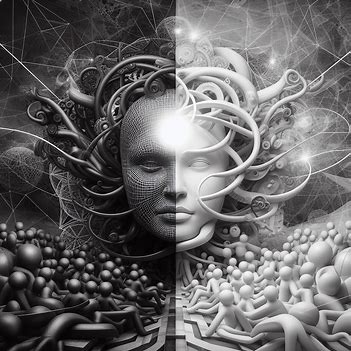
- Black sheep of the family: This phrase means someone who is seen as different or not accepted by their family.
- Blackmail: It’s when someone threatens to reveal secrets about someone else to get what they want.
- Blacklisted: This means being excluded or banned from something because of disapproval or suspicion.
- Black market: It’s where illegal buying and selling of goods happens.
- Black mark: This refers to a stain on someone’s reputation.
- Black-hearted: It describes someone who is unkind or cruel.
- Black magic: It’s the use of supernatural powers for harm or evil.
- Black day: This means a day of sadness or tragedy.
- Black mood: It’s when someone is feeling really sad or depressed.
- Black spot: It’s a place or situation that’s considered dangerous or unlucky.
The White Perspective:
Conversely, the color white has often been associated with purity, innocence, and virtue in Western cultures. Expressions like “white knight” or “white wedding” evoke images of heroism and celebration, reflecting positive connotations of whiteness. In legal contexts, “white-collar” denotes professionalism and prestige, contrasting with the negative implications of “black market” or “blacklisted.”
However, it’s essential to acknowledge that the positive associations with whiteness can also perpetuate privilege and reinforce racial hierarchies. The concept of a “white lie,” for instance, implies innocence or harmless deception, downplaying the impact of dishonesty. Similarly, the notion of a “white flag” as a symbol of surrender may carry different connotations depending on one’s perspective, highlighting the complexities of language and symbolism.
Positive White Words:
- Holy white robes: These are special clothes worn by religious leaders during ceremonies, symbolizing purity and holiness.
- White dove: This bird symbolizes peace and innocence in many cultures.
- White wedding: It’s a traditional wedding ceremony symbolizing purity, love, and new beginnings.
- White knight: This term describes someone who helps others in a noble or chivalrous way.
- White flag: It’s a symbol of surrender or peace, used to end conflicts without fighting.
- White lie: A small lie told to avoid hurting someone’s feelings.
- White-collar: It refers to professional jobs done in an office, like lawyers or bankers.
- White Christmas: It’s a Christmas with snow, often seen as magical and joyful.
- White magic: It’s the use of supernatural powers for good or helpful purposes.
- White knight: In finance, it describes a person or company that saves another from financial trouble.
Why We Should Reconsider the Term “Black Man”:

In light of the historical and cultural baggage associated with the term “black,” it’s crucial to critically examine its usage, particularly in reference to individuals. Referring to someone solely as a “black man” reduces their identity to a racial descriptor, overlooking their individuality, humanity, and diverse experiences. It perpetuates the othering of black individuals, reinforcing harmful stereotypes and dehumanizing narratives.
Instead, we should strive to use language that acknowledges and respects the full humanity and complexity of individuals, regardless of their race or ethnicity. Embracing more nuanced and inclusive terminology can foster greater empathy, understanding, and solidarity within our communities. By unraveling the truths about black and white, we can work towards creating a more equitable and just society for all.
Embracing Our Melanated Richness: Recognizing the Truth of Our Brownness
In a world where skin color often defines our identities and shapes our experiences, it’s essential to challenge the narratives that perpetuate division and hierarchy. As a dark-skinned individual with a rich spiritual perspective, I see beyond the surface to the inherent beauty and interconnectedness of humanity. To me, we are all shades of brown, varying in tone but united in our shared humanity.
I reject the divisive labels imposed by society, where some are deemed “black” and others “white.” Instead, I recognize the truth that emerges when the so-called “white” man steps into the sunlight and becomes a shade of light brown. This simple act exposes the fallacy of racial categorization and underscores the fluidity of our identities.
Words carry vibrations that shape our perceptions and experiences. By clinging to outdated and divisive language, we perpetuate harmful narratives that reinforce inequality and diminish our collective humanity. It’s time to break free from these linguistic shackles and embrace a more inclusive and empowering vocabulary.
As a society, we must confront the uncomfortable truths that lie beneath the surface of our language. We must acknowledge the historical injustices and systemic biases that have marginalized darker-skinned individuals and perpetuated harmful stereotypes. By reframing our understanding of race and identity, we can begin to dismantle the structures of oppression that have long divided us.
Let us love ourselves enough to recognize the richness of our melanated skin, embracing the diversity and beauty that it represents. Let us celebrate our differences not as barriers, but as sources of strength and resilience. Together, let us affirm our shared humanity and work towards a future where all shades of brown are valued and respected.
Recognizing Our Shared Humanity:

As we navigate the complexities of race and identity, it’s crucial to remember the deeper truths that bind us together as human beings. Within each of us resides a spirit that transcends the limitations of skin color or external labels. Regardless of our outward appearance, our inner essence remains untethered by the constraints of race or ethnicity.
Consider the profound symbolism of blood, the life force that flows within us all. Underneath our diverse exteriors, we share the same crimson fluid that sustains our bodies and connects us to one another on a fundamental level. In the eyes of humanity, we are all equal, deserving of dignity, respect, and love.
Over the centuries, humanity has been shaped by the influence of false doctrines and distorted narratives. Yet, the truth has a remarkable way of prevailing, shining through the shadows of deception to illuminate our path forward. The revelation that Jesus, a figure revered by millions, was a black man serves as a powerful catalyst for change, challenging long-held misconceptions and reshaping the collective psyche of black communities worldwide.
In reclaiming our rightful place as the descendants of ancient civilizations and holy people, black individuals find renewed purpose and pride in their heritage. No longer shackled by the chains of oppression or internalized self-hatred, they embrace a profound sense of self-worth and empowerment. This newfound recognition of their sacred identity transcends mere symbolism; it heralds a paradigm shift in consciousness, inviting all humanity to embrace the inherent worthiness and divinity within themselves.
In this journey of self-discovery and collective healing, let us embrace the truth of our interconnectedness and celebrate the diversity that enriches our shared human experience. May we cast aside the illusions of separation and division, recognizing that we are all reflections of the same divine essence, worthy of love, acceptance, and reverence. As we honor the truth of our brownness and the unity of our humanity, let us pave the way for a future guided by compassion, understanding, and solidarity.
Embracing Unity with a Touch of Humor
And so, as we conclude our exploration of the complexities surrounding race and identity, let us partake in a moment of lighthearted reflection. The irony of the black and white debate is undeniable, for in truth, none of us truly embodies either extreme. Instead, we find ourselves nestled comfortably within the spectrum of light brown, a hue that transcends the limitations of arbitrary labels.
In the grand tapestry of humanity, we are all threads woven together by the hands of the divine, each imbued with unique hues and textures. Our differences are not meant to divide us but to enrich the fabric of our collective existence, reflecting the boundless creativity and diversity of our Creator.
So, let us raise a proverbial eyebrow and share a knowing chuckle at the absurdity of our preoccupation with skin color. For in the eyes of the universe, we are all simply light brown beings traversing the journey of life together, guided by the same universal principles of love, compassion, and understanding.
To subscribe to this journey of self-discovery and collective awakening, simply embrace the truth that we are all God’s children, regardless of the shade of our skin. Let us walk hand in hand, united in our shared humanity, and continue to shine the light of truth and love into the world.
And remember, in the grand cosmic comedy of existence, the punchline is always the same: we are all light brown, and we are all God’s children.