

Ancient Egyptian mythology and religion are rich with symbols, deities, and mystical traditions that continue to fascinate scholars and enthusiasts alike. Central to these traditions are the figures of the Djedi in the Book of the Dead, Osiris, and the connection of Osiris with the Orion constellation, along with the mythological conflict between Osiris and Marduk. Intriguingly, these ancient myths share thematic parallels with the modern cinematic universe of Star Wars, providing an interesting lens through which to explore these ancient stories.
The Djedi in the Book of the Dead

The Djedi, often referred to as “the enduring ones,” are mysterious figures mentioned in the Book of the Dead, an ancient Egyptian funerary text used to assist the deceased in navigating the afterlife. The Book of the Dead contains spells, prayers, and incantations meant to guide and protect souls on their journey to the afterlife, ensuring they reach the Field of Reeds, the ancient Egyptian version of paradise.
The Djedi are guardians of sacred knowledge and the secrets of immortality. They are often associated with magical practices and are considered to possess great wisdom and power. The presence of the Djedi in the Book of the Dead emphasizes the importance of wisdom and protection in achieving a successful transition to the afterlife. These figures are thought to be intermediaries between the gods and the deceased, providing guidance and support through the perilous journey after death.
Osiris: The God of the Afterlife
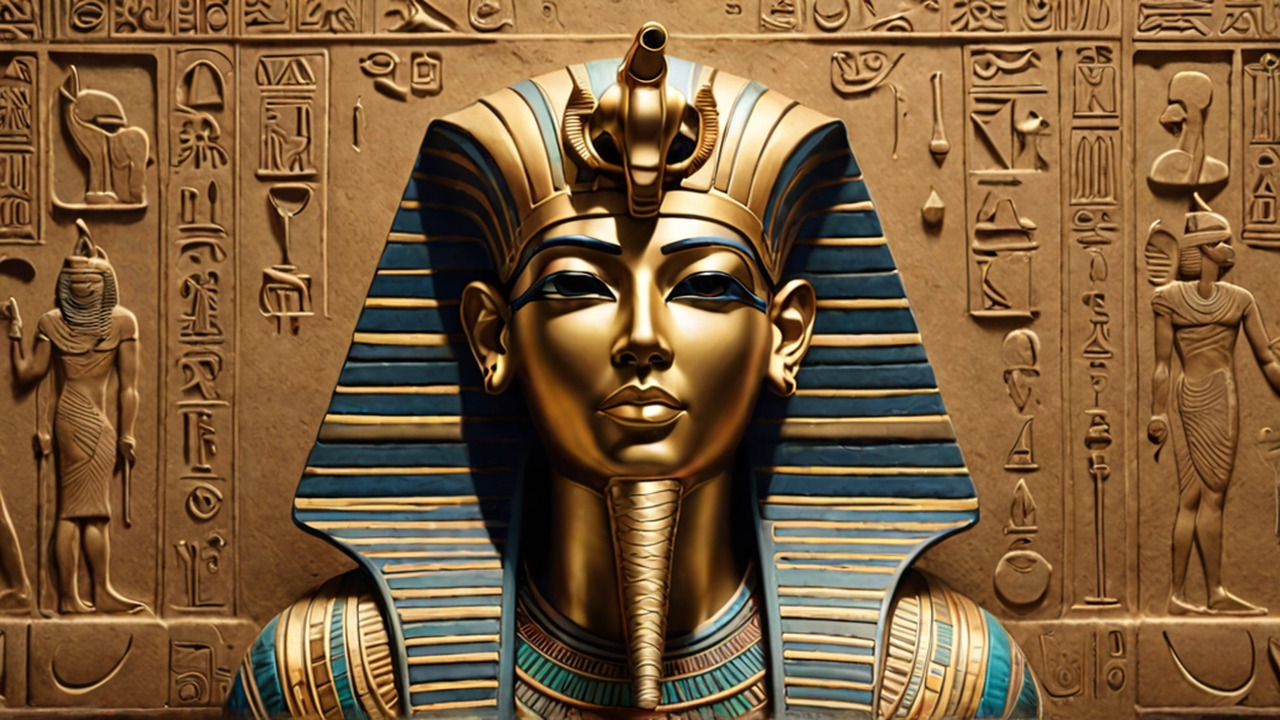
Osiris is one of the most significant deities in ancient Egyptian religion. He is the god of the afterlife, the underworld, and the dead. Osiris’s mythology is central to the Egyptian understanding of death and resurrection. According to myth, Osiris was the first pharaoh of Egypt who was murdered by his jealous brother Seth. Osiris’s wife, Isis, with the help of her sister Nephthys, gathered Osiris’s dismembered body parts and reassembled them. Through her magical abilities, Isis resurrected Osiris, who then became the ruler of the afterlife.
Osiris’s death and resurrection symbolize the cycle of life, death, and rebirth, which is a cornerstone of ancient Egyptian belief. As the judge of the dead, Osiris presides over the weighing of the heart ceremony, where the deceased’s heart is weighed against the feather of Ma’at, the goddess of truth and justice. If the heart is lighter than the feather, the deceased is granted eternal life; if not, they are devoured by Ammit, a fearsome creature.
The Osireian Orion Constellation

The connection between Osiris and the Orion constellation is a fascinating aspect of Egyptian cosmology. The ancient Egyptians identified the constellation Orion with Osiris, seeing in its stars the image of their god. This association is primarily due to the constellation’s position in the sky and its appearance, which the Egyptians perceived as a celestial representation of Osiris.
The Orion constellation was significant in Egyptian astronomy and mythology. It was believed that the souls of the dead would travel to the stars of Orion, joining Osiris in the afterlife. The three stars of Orion’s Belt were particularly important and were thought to represent the god’s belt. This celestial connection reinforced Osiris’s role as the god of the afterlife and eternal rebirth.
The pyramids of Giza are also linked to this belief. The layout of the three pyramids is thought to align with the three stars of Orion’s Belt, reflecting the Egyptians’ desire to connect their monumental architecture with the heavens and the divine. This alignment was believed to facilitate the pharaoh’s journey to the afterlife, ensuring their ascension to the stars and their union with Osiris.
The War Between Marduk and Osiris

The mythological conflict between Osiris and Marduk is a tale of power, rivalry, and cosmic significance. Marduk, known primarily as the chief deity of Babylon in Mesopotamian mythology, is often associated with the god Ra or Amun-Ra in Egyptian mythology. The story of their conflict is not directly from traditional Egyptian myth but is a part of a broader ancient Near Eastern narrative that illustrates the competition among gods for supremacy.
In some versions of the myth, Marduk and Osiris represent competing ideologies and realms of influence. Osiris, as the god of the afterlife, embodies the cyclical nature of life and death, renewal, and the agricultural rhythms of the Nile. Marduk, on the other hand, is associated with kingship, order, and the centralization of power, reflecting the political aspirations of the Babylonian empire.
Their conflict can be seen as a symbolic representation of the struggle between different religious and political powers in the ancient world. In mythological terms, Marduk’s rise to prominence in Babylon can be viewed as an attempt to overshadow the older, more established cult of Osiris in Egypt. This cosmic battle mirrors the terrestrial struggles for dominance between these two great civilizations.
Comparisons to Star Wars

The ancient myths of Egypt and the broader Near Eastern region share intriguing similarities with the modern Star Wars saga, particularly in the portrayal of the Djedi and their mystical powers.
The Djedi and Jedi Knights

The Djedi in Egyptian mythology and the Jedi Knights in Star Wars both serve as guardians of wisdom and protectors against evil. The Jedi Knights are trained in the use of the Force, a mystical energy that grants them powers of perception, strength, and insight, much like the magical knowledge possessed by the Djedi.
- Guardians of Wisdom: Both the Djedi and Jedi Knights are revered for their profound knowledge and are tasked with preserving balance and justice.
- Magical Powers: The Djedi are associated with magical practices, similar to the Jedi Knights’ use of the Force, which includes telekinesis, mind control, and heightened physical abilities.
Osiris and Yoda

Yoda, the wise and ancient Jedi Master in Star Wars, bears some resemblance to Osiris, particularly in his green skin and his role as a mentor and guide in the afterlife.
- Green Skin: Both Yoda and Osiris are depicted with green skin, symbolizing their otherworldly nature and wisdom.
- Role as Guides: Osiris guides souls in the afterlife, while Yoda mentors young Jedi and offers wisdom on their spiritual journey.
Other Similarities
- Resurrection and Renewal: Osiris’s resurrection parallels the theme of rebirth in Star Wars, such as the redemption of Anakin Skywalker and his return as a Force spirit.
- Cosmic Battles: The war between Osiris and Marduk mirrors the epic battles between the Jedi and the Sith, representing the struggle between good and evil.
- Celestial Connections: Just as the pyramids of Giza align with Orion’s Belt, Star Wars often features planets and stars with significant symbolic meanings, emphasizing the connection between the characters and the cosmos.
Conclusion
The Djedi, Osiris, the Orion constellation, and the war between Osiris and Marduk are integral components of ancient Egyptian and Near Eastern mythology. The Djedi, as guardians of sacred knowledge, play a crucial role in the Book of the Dead, guiding the deceased through the afterlife. Osiris, the god of the afterlife, embodies the themes of death and resurrection, central to Egyptian beliefs about the afterlife. The association of Osiris with the Orion constellation highlights the Egyptians’ desire to connect their earthly realm with the heavens, reflecting their belief in the eternal nature of the soul and the afterlife. Meanwhile, the mythological conflict between Osiris and Marduk underscores the dynamic interplay of religious and political powers in the ancient world.
These elements, along with their modern parallels in Star Wars, illustrate the rich tapestry of mythology, where the interplay of gods, celestial bodies, and mystical practices create a profound narrative about life, death, and the hereafter. The comparisons to Star Wars also highlight how these ancient myths continue to influence and inspire contemporary storytelling, bridging the gap between past and present in our understanding of heroism, wisdom, and the eternal struggle between light and darkness.