

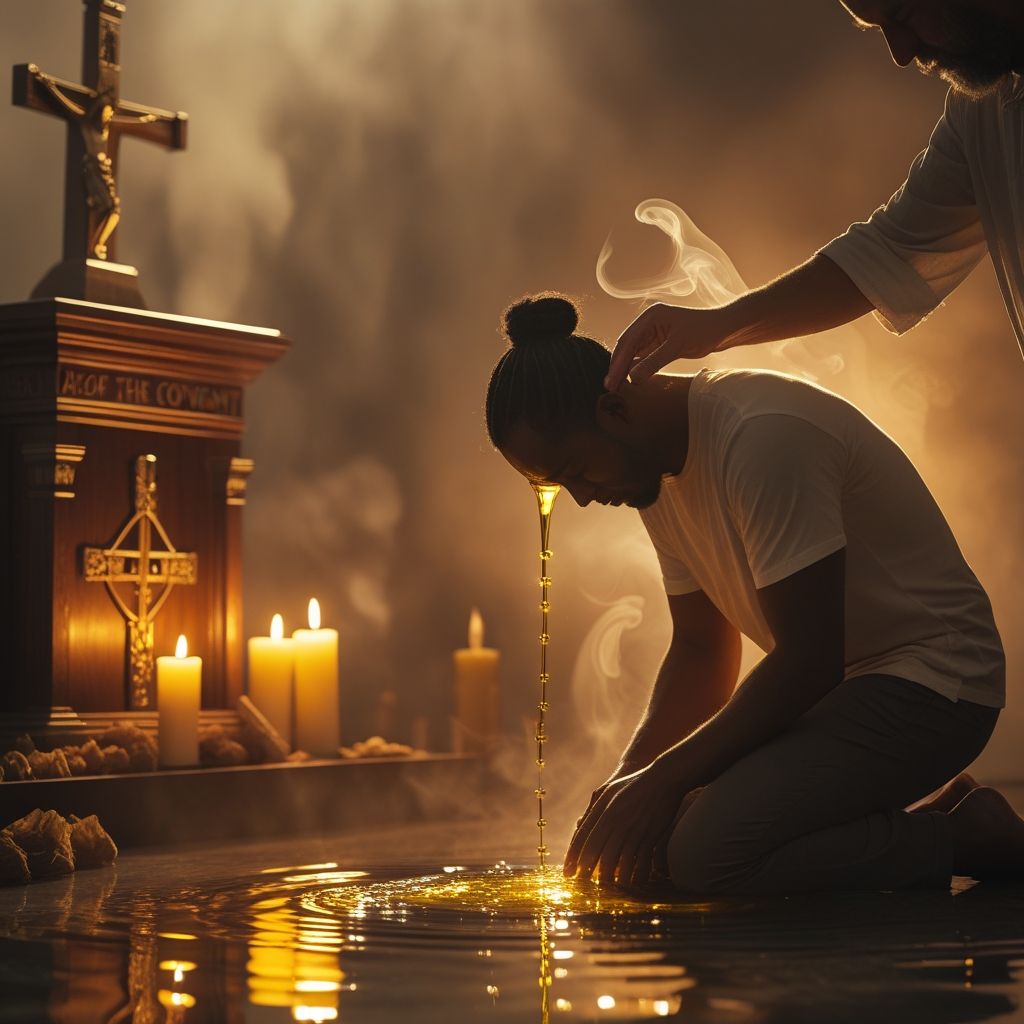
The Spiritual Significance of Anointing: A Complete Guide
Table of Contents
Whether in ancient rituals, modern practices, or dreams, it signifies divine favour, healing, empowerment, and consecration. In this blog, we’ll explore the spiritual significance of anointing, its representation in sacred texts, its symbolic meaning in dreams, and practical applications in daily life.
—
What Is Anointing?
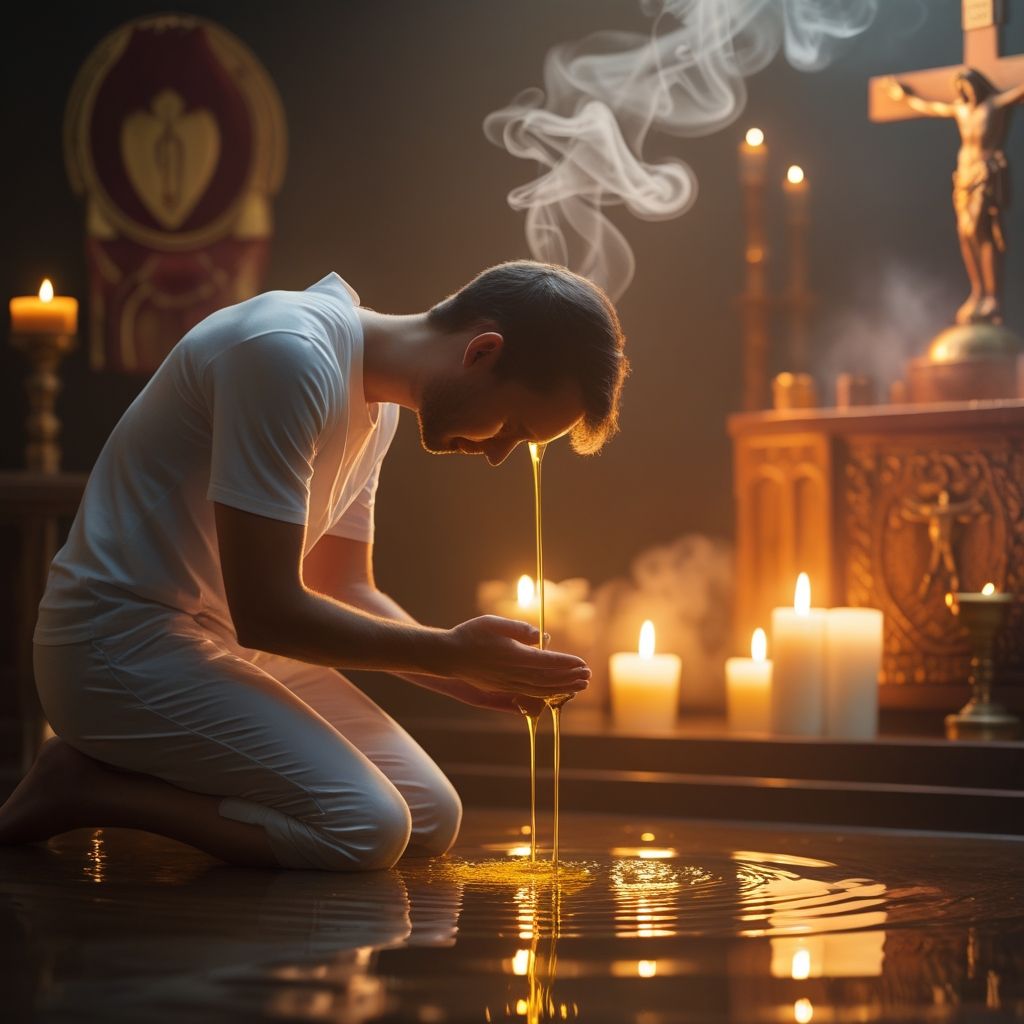
Anointing refers to the act of applying oil to a person or object as a symbol of spiritual sanctification, blessing, or empowerment. In religious contexts, it often marks the chosen as set apart for divine purposes.
—
Anointed Oil: Ingredients and Their Significance
The sacred oil used in anointing is not just any oil. It’s prepared with specific ingredients that carry spiritual and symbolic meanings. Below is a table of common ingredients and their significance:
—
Anointing in Sacred Texts

1. The Bible (Christianity & Judaism)
Anointing is prominently featured in the Bible, symbolizing divine selection, healing, and empowerment.
Anointing Kings and Prophets:
1 Samuel 16:13: “Then Samuel took the horn of oil and anointed him in the presence of his brothers, and the Spirit of the Lord came powerfully upon David.”
This signifies divine appointment and spiritual empowerment.
Anointing for Healing:

James 5:14-15: “Is anyone among you sick? Let them call the elders of the church to pray over them and anoint them with oil in the name of the Lord.”
This emphasizes the healing power of anointing when combined with faith and prayer.
Consecration of the Tabernacle:
Exodus 30:22-30: God commands Moses to prepare a sacred anointing oil to consecrate the Tabernacle, its furnishings, and priests.
2. The Quran (Islam)
While anointing with oil is not explicitly mentioned in the Quran, the concept of divine selection is clear:
Surah Al-Baqarah (2:247): “Allah has chosen him [Saul] as king over you and has increased him abundantly in knowledge and stature.”
This reflects the principle of divine favor and appointment.
3. The Bhagavad Gita (Hinduism)
Although anointing is not a specific practice in Hinduism, spiritual empowerment and consecration are recurring themes:
Bhagavad Gita 4:7-8: “Whenever righteousness wanes and unrighteousness increases, I manifest Myself.”
This emphasizes the divine empowerment of chosen individuals to restore balance.
4. The Dhammapada (Buddhism)
Buddhism doesn’t include anointing rituals but focuses on spiritual purification:
Dhammapada Verse 276: “You yourselves must strive; the Buddhas only show the way.”
This highlights self-dedication and spiritual transformation, akin to the symbolic meaning of anointing.
—
The Meaning of Anointing in Dreams
Dreams of anointing are rich in spiritual symbolism and often signify:
—
FAQ on Anointing
Q1. What does it mean to be anointed by God?
Anointing by God signifies being chosen, blessed, and empowered for a divine purpose. It often involves receiving the Holy Spirit’s guidance and strength to fulfill a spiritual mission.
Q2. Can anyone be anointed?
Yes, anyone can be anointed, but the significance varies. In religious practices, clergy or elders usually perform the anointing, symbolizing divine authority and purpose.
Q3. Is anointing only for religious purposes?
While primarily a spiritual act, anointing can also symbolize personal dedication, healing, or protection in broader contexts.
Q4. How is anointing oil prepared?
Anointing oil is typically made by blending olive oil with specific essential oils like frankincense, myrrh, and cinnamon, following biblical instructions.
—
Modern-Day Applications of Anointing
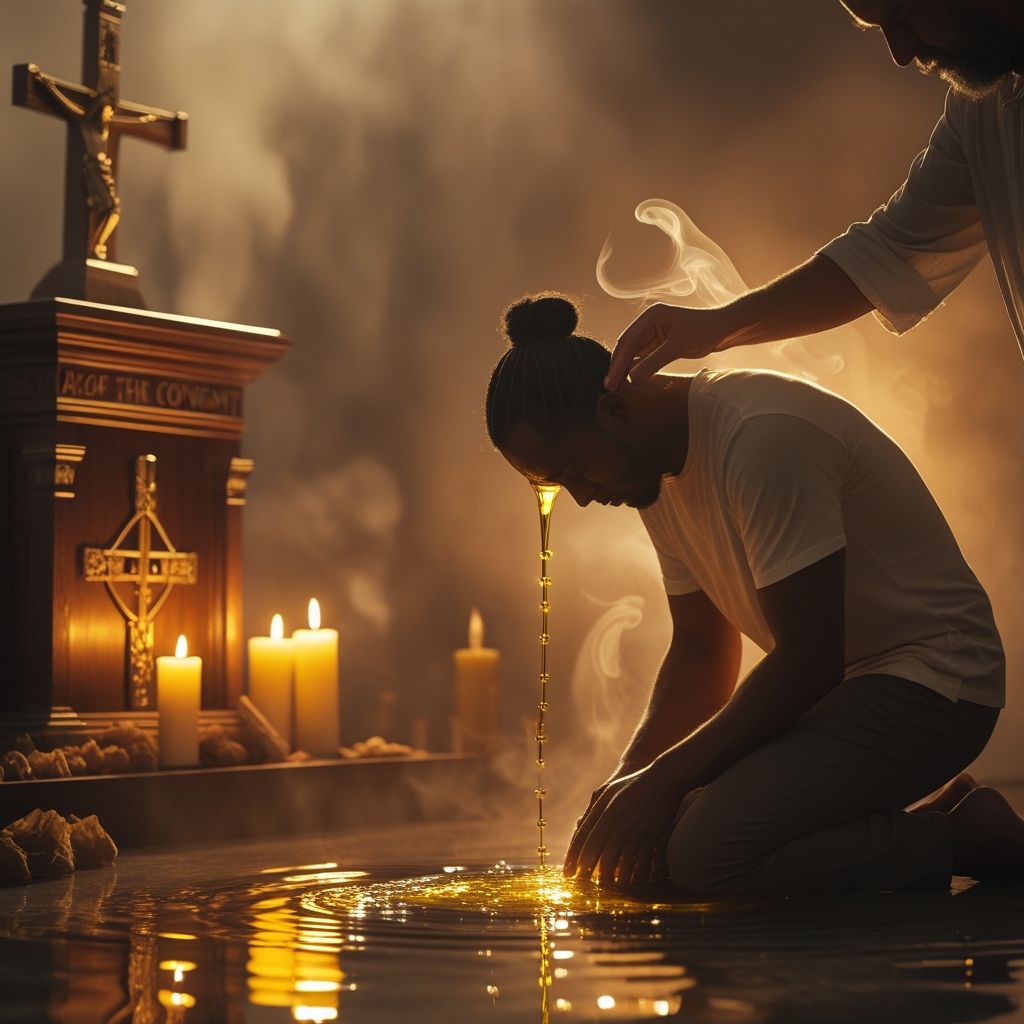
Anointing remains relevant today in various contexts:
1. Personal Healing: Many people use anointing oil for physical and emotional healing.
2. Blessing Homes and Spaces: Anointing spaces to invite divine presence and protection.
3. Spiritual Dedication: Using anointing oil in prayer or meditation to deepen one’s spiritual connection.
Conclusion
Anointing is a timeless and sacred practice that embodies divine favor, healing, and spiritual empowerment. Whether encountered in sacred texts, rituals, or dreams, it reminds us of the transformative power of divine connection.