

The Spiritual Meaning & Hidden Power of Bamboo: Flexibility and Resilience
Table of Contents
Introduction
Throughout history, bamboo has been revered in various cultures for its profound spiritual significance. It stands tall and bends gracefully with the wind, embodying flexibility and resilience—two of the most essential traits for personal and spiritual growth. Whether in Zen philosophy, Taoism, or indigenous traditions, bamboo serves as a symbol of wisdom, strength, and harmony with nature.
In this article, we explore the hidden power of bamboo and what it teaches us about navigating life’s challenges with grace and resilience.
1. Bamboo in Spirituality: A Global Perspective

Bamboo has held spiritual significance across cultures, from Asia to Africa and the Americas. In Chinese philosophy, it represents virtue and integrity, while in Japanese culture, it symbolizes purity and strength. Many indigenous traditions also view bamboo as a sacred plant, embodying growth, adaptability, and connection to the Earth.
Key Spiritual Meanings of Bamboo:
- Growth and renewal – Bamboo grows rapidly, symbolizing continuous self-improvement.
- Balance and harmony – It thrives in diverse environments, reminding us to stay balanced in all aspects of life.
- Strength through adaptability – Though flexible, bamboo is incredibly strong, showing us how to endure hardships with grace.
2. The Symbolism of Flexibility: Flowing with Life’s Changes

One of bamboo’s greatest teachings is flexibility. Unlike rigid trees that may break in strong winds, bamboo bends and sways, adapting to its surroundings without losing its foundation. This is a lesson in resilience: when faced with life’s difficulties, rather than resisting, we should embrace change and flow with circumstances.
How to Cultivate Flexibility:
- Let go of resistance – Accept change as a natural part of life.
- Adapt without losing yourself – Stay rooted in your values while adjusting to new challenges.
- Practice mindfulness – Like bamboo, be present and aware of life’s movements.
3. The Power of Resilience: Rising After Every Fall
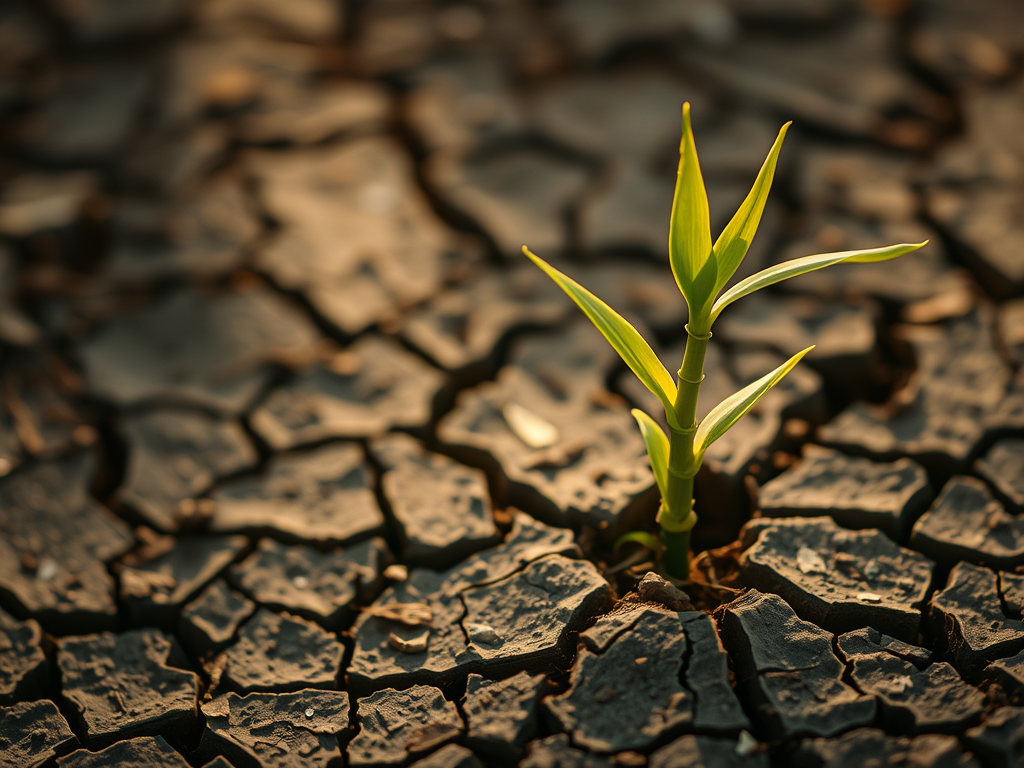
Bamboo teaches us that resilience is not about avoiding hardship but rising after every fall. No matter how many times it is cut down, bamboo regrows with strength and vitality. Similarly, in our own lives, setbacks and failures are opportunities for renewal and personal growth.
Building Resilience:
- Develop a strong foundation – Strengthen your mind and spirit through meditation and self-awareness.
- Embrace adversity – View challenges as teachers rather than obstacles.
- Stay patient and persistent – Like bamboo, growth may be slow at first but will eventually flourish.
4. Bamboo and Inner Strength: Lessons from Nature
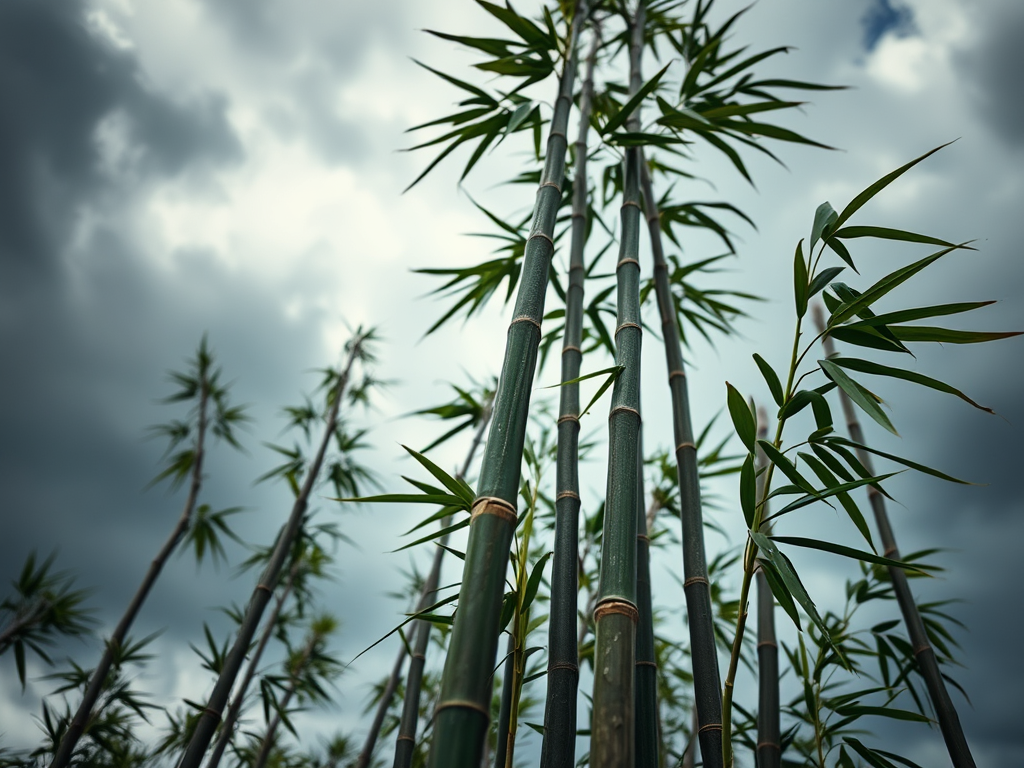
While bamboo appears delicate, it is incredibly strong—stronger than steel in some aspects. This reminds us that true strength lies not in hardness, but in the ability to endure and recover.
Key Takeaways:
- Softness is not weakness – Being gentle and kind does not mean lacking strength.
- Bend but don’t break – Life’s storms will come, but resilience allows us to withstand them.
- Stay humble yet unshakable – True strength is grounded in humility and inner peace.
5. Taoist and Zen Teachings on Bamboo

Both Taoist and Zen Buddhist teachings emphasize bamboo as a metaphor for enlightenment and wisdom. In Zen gardens, bamboo represents emptiness of mind, a state that allows one to receive wisdom freely. In Taoism, it embodies the principle of Wu Wei (effortless action), showing us the power of going with the flow rather than forcing outcomes.
Applying Zen & Taoist Wisdom:
- Cultivate stillness – Meditate and clear your mind, like the hollow interior of bamboo.
- Live with simplicity – True happiness lies in simplicity, as seen in bamboo’s natural beauty.
- Move with the rhythm of life – Instead of struggling against circumstances, align yourself with the natural flow.
6. Bamboo in Feng Shui: Attracting Positive Energy

In Feng Shui, bamboo is used to attract prosperity, protection, and balance. It is believed to bring good fortune and positive energy into a space.
Feng Shui Tips:
- Place bamboo in the east – This represents health and family harmony.
- Use in business settings – A lucky bamboo plant can enhance success and stability.
- Ensure proper care – Keep bamboo in fresh water to maintain its positive energy flow.
7. Life Lessons from Bamboo: Applying Its Wisdom to Daily Life

To embody the wisdom of bamboo in our daily lives, we must cultivate inner peace, resilience, and adaptability.
Practical Ways to Live Like Bamboo:
- Stay rooted but open to growth – Hold onto your values while remaining open-minded.
- Practice patience – Personal growth, like bamboo’s, takes time and care.
- Embrace simplicity – Let go of unnecessary burdens and focus on what truly matters.
- Be kind and gentle, yet strong – Treat others with compassion, but stand firm in your truth.
8. Conclusion: Becoming Like Bamboo—Balanced and Strong

The wisdom of bamboo teaches us that flexibility, resilience, and inner strength are the keys to a fulfilling and meaningful life. By adopting these qualities, we can navigate the challenges of life with grace and perseverance, just as bamboo stands tall, unshaken by the fiercest winds.
Let bamboo be your guide—a symbol of strength in softness, adaptability in adversity, and wisdom in simplicity.
Call to Action: What lessons have you learned from nature? Share your thoughts in the comments below, and may the wisdom of bamboo guide you on your journey!