
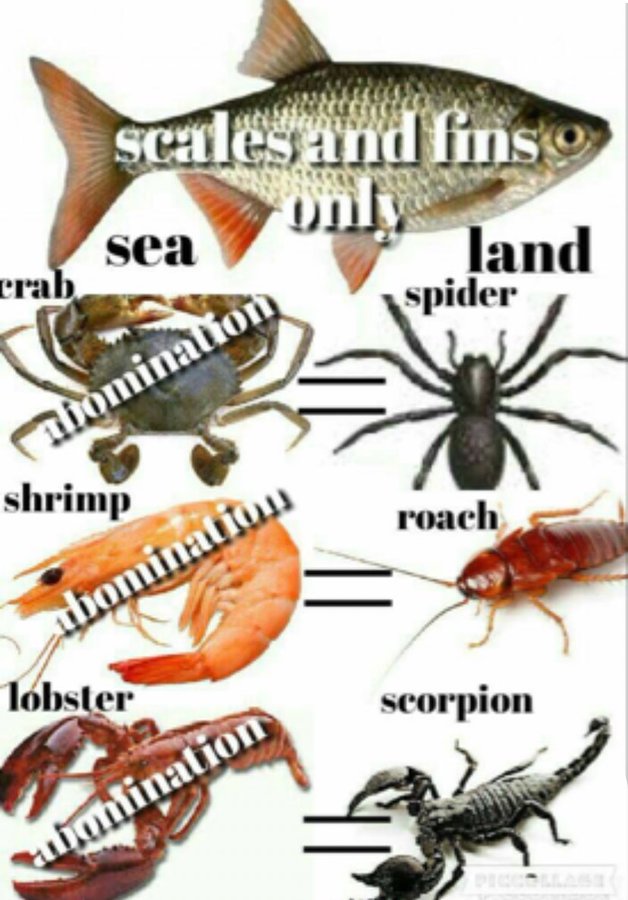
In the vast and diverse tapestry of life, an intriguing symmetry exists between the creatures that inhabit our seas and those that roam our lands. This natural mirroring goes beyond biological and ecological marvels, delving into the realm of the spiritual, where the ancient principle of “as above, so below” finds its expression in the living world. The adage implies that the physical world is a reflection of the spiritual, a concept vividly illustrated by the similarities between animals like crabs and spiders, or lobsters and scorpions. Such pairings across environments not only stimulate scientific curiosity but also invite us to ponder their significance within cultural, religious, and spiritual contexts.
Mirrored Creatures and the Reflections of Culture
The crab, with its sideways scuttle along the ocean floor, parallels the spider with its intricate web—a comparison not lost on those who delve into the symbolism of creatures. The crustacean’s hardened exterior and the arachnid’s delicate silk constructions evoke a sense of duality that transcends their immediate habitats, suggesting an innate symmetry between the marine and terrestrial worlds. Similarly, the shrimp and the roach play comparable roles as scavengers, yet the former is savored while the latter is scorned, a clear reflection of human perspectives shaped by context rather than function.
Biblical Dietary Laws and the Sanctity of Symmetry
This dichotomy of reception also finds roots in religious scriptures. The Bible, in Leviticus 11:9-12, delineates which creatures may be consumed and which should be avoided. Creatures of the sea that possess fins and scales are deemed edible, while others are labeled abominations. This scriptural guidance is not merely about dietary restrictions; it is a physical manifestation of spiritual principles. The laws serve as a testament to the sanctity of distinction and purity, encouraging followers to discern between what is spiritually wholesome and what is not, a concept that extends to the understanding of inner spiritual harmony.
The Spiritual Essence of Duality
The spiritual essence of this duality, where a land animal finds its counterpart in the sea, reflects a broader philosophical view of the interconnectedness of life. The resemblance between creatures, such as the armored scorpion and the clawed lobster, can be seen as a representation of universal patterns. The physical likenesses between these animals serve as spiritual metaphors, illustrating the balance and unity inherent in nature and, by extension, within the human soul.
Conclusion: Embracing the Unity in Duality
The exploration of these parallels between land and sea creatures, within the context of dietary laws and spiritual symbolism, opens up a broader conversation about the nature of existence. It urges us to recognize the unity in duality, the interconnectedness of all beings, and the reflection of the spiritual within the physical. Through the lens of ancient wisdom and scriptural teachings, we gain a deeper appreciation for the world around us, understanding that each creature, be it revered or reviled, plays a vital role in the grand ecological and spiritual ballet. By contemplating the similarities between a spider and a crab, or a rat and a squirrel, we are called to reflect on our own judgments and biases, challenging us to look beyond appearances and to embrace the harmony present in all forms of life.
In merging these reflections with sacred texts, we find a guiding narrative that shapes not only the dietary practices of many but also the spiritual consciousness of those who seek to find meaning in the natural order. The biblical scripture from Leviticus thus acts as a cornerstone, not just for dietary guidance, but for a way of viewing the world that encourages spiritual discernment and a celebration of life’s intricate and beautiful design.
For further exploration of these themes and scriptural references, one can delve into scholarly articles and religious texts that offer deeper insights. Here is an article on the Biblical dietary laws and another on the philosophical principle of “as above, so below”, providing context and expanded discussion on the subject matter discussed herein.