
The Hidden Power of Solitude: Reconnection and Clarity Across Cultures

Introduction
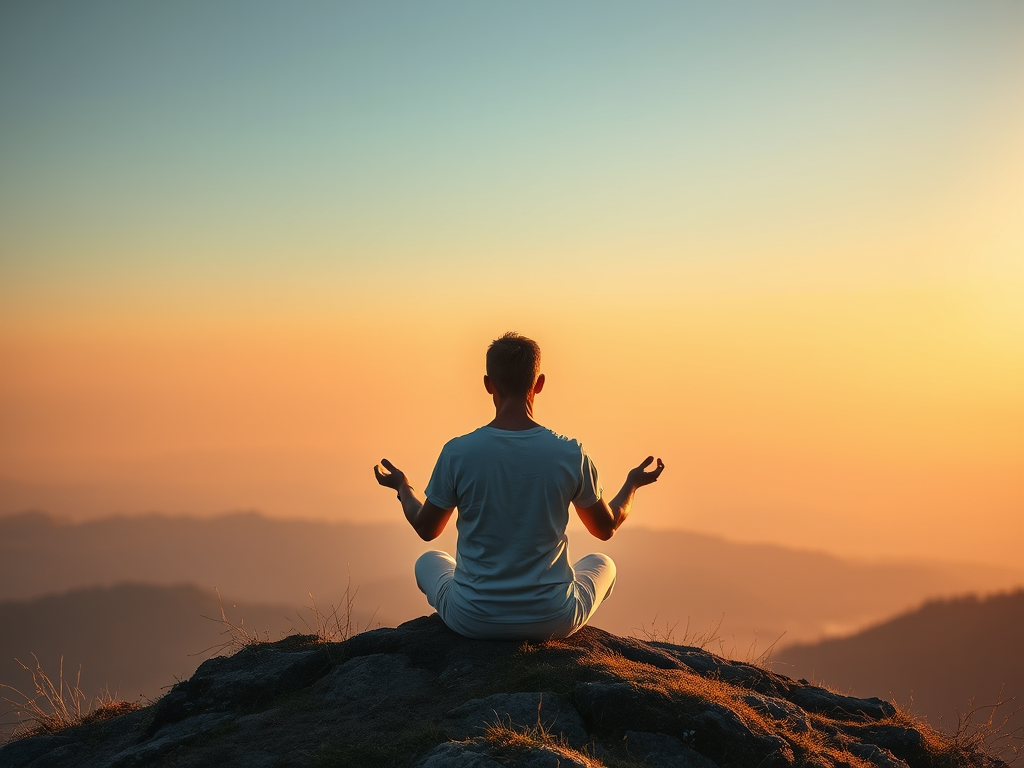
In our fast-paced, interconnected world, the concept of solitude often carries negative connotations, frequently associated with loneliness or isolation. However, across various cultures and spiritual traditions, solitude is revered as a powerful catalyst for personal growth, self-discovery, and inner clarity. Embracing solitude allows individuals to reconnect with their inner selves, fostering a deeper understanding of their emotions, thoughts, and life purpose. This article delves into the hidden power of solitude, exploring its significance across different cultures, spiritual practices, and its role in facilitating reconnection and clarity.Tribe of One
Table of Contents
The Essence of Solitude: Definitions and Distinctions
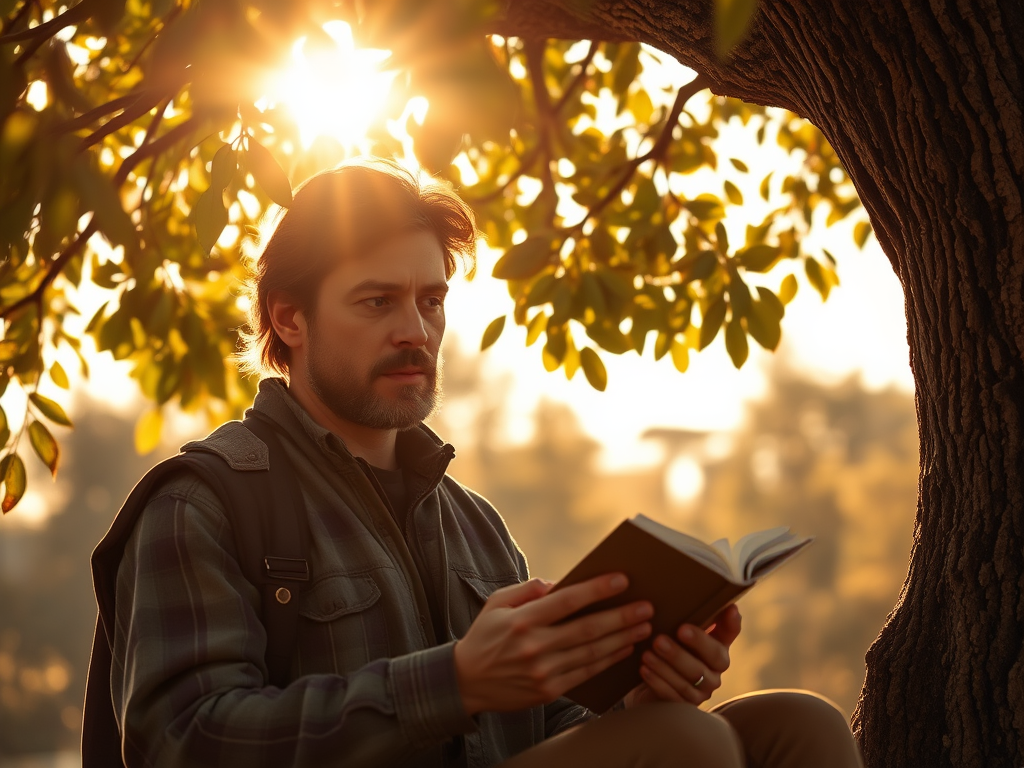
Solitude is often misunderstood as mere loneliness or social isolation. However, it is essential to distinguish between these concepts. Solitude is the voluntary act of spending time alone, providing an opportunity for introspection and self-discovery. In contrast, loneliness is a feeling of sadness or distress about being alone, and social isolation refers to a lack of social connections. Embracing solitude allows individuals to disconnect from external distractions and reconnect with their inner selves, leading to profound personal insights and growth.

Solitude in Spiritual Traditions
Sufism: The Practice of Khalwa
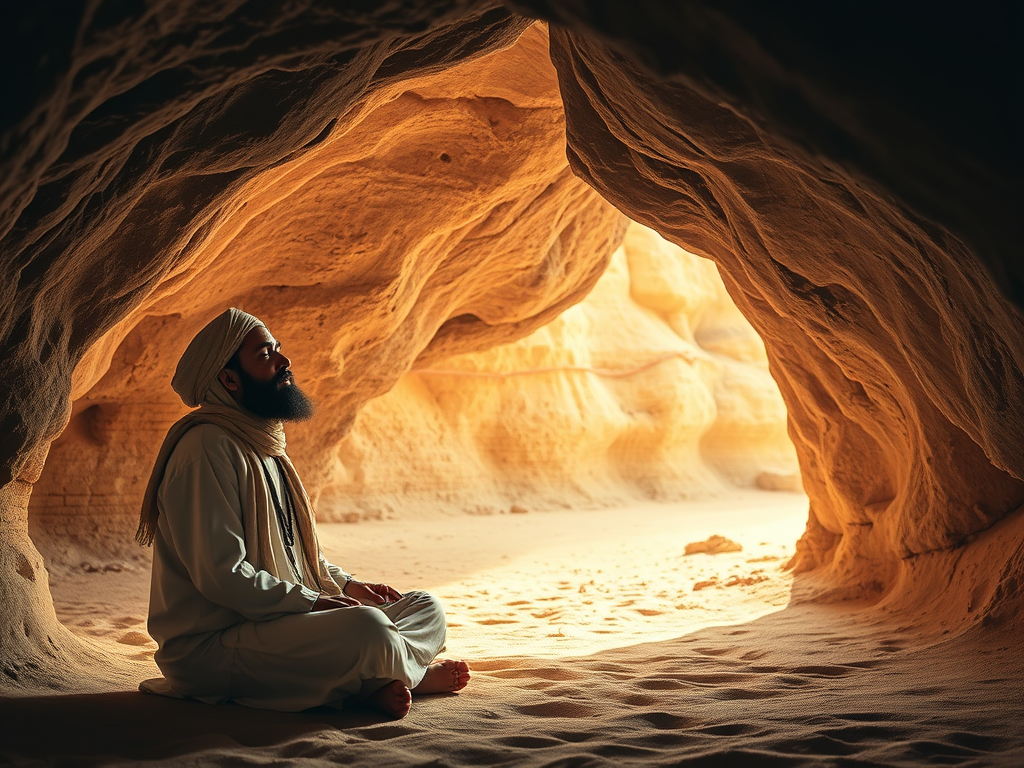
In Sufism, an Islamic mystical tradition, the practice of Khalwa (Arabic: “seclusion”) involves a solitary retreat, traditionally lasting forty days. During this period, a disciple engages in extensive spiritual exercises under the guidance of a shaykh (spiritual teacher). The purpose of Khalwa is to achieve total self-abandonment in the desire for the Divine Presence, facilitating profound spiritual growth and enlightenment. Wikipedia+1Wikipedia+1
Judaism: The Art of Hitbodedut
In Jewish spirituality, Hitbodedut (Hebrew: “self-seclusion”) refers to an unstructured, spontaneous form of prayer and meditation. Popularized by Rebbe Nachman of Breslov, this practice involves individuals engaging in personal conversations with God, often in secluded natural settings. Hitbodedut encourages deep self-reflection and fosters a personal, intimate relationship with the Divine. Wikipedia

Hinduism: Solitude and Self-Realization
Hindu philosophy emphasizes the importance of solitude for self-realization and spiritual enlightenment. Practices such as meditation and yoga often involve retreating into solitude to quiet the mind and connect with the inner self. The concept of Sannyasa involves renouncing worldly possessions and social ties to pursue a life of spiritual contemplation, often in seclusion.

Cultural Perspectives on Solitude
Nordic Folklore: The Princess on the Glass Hill
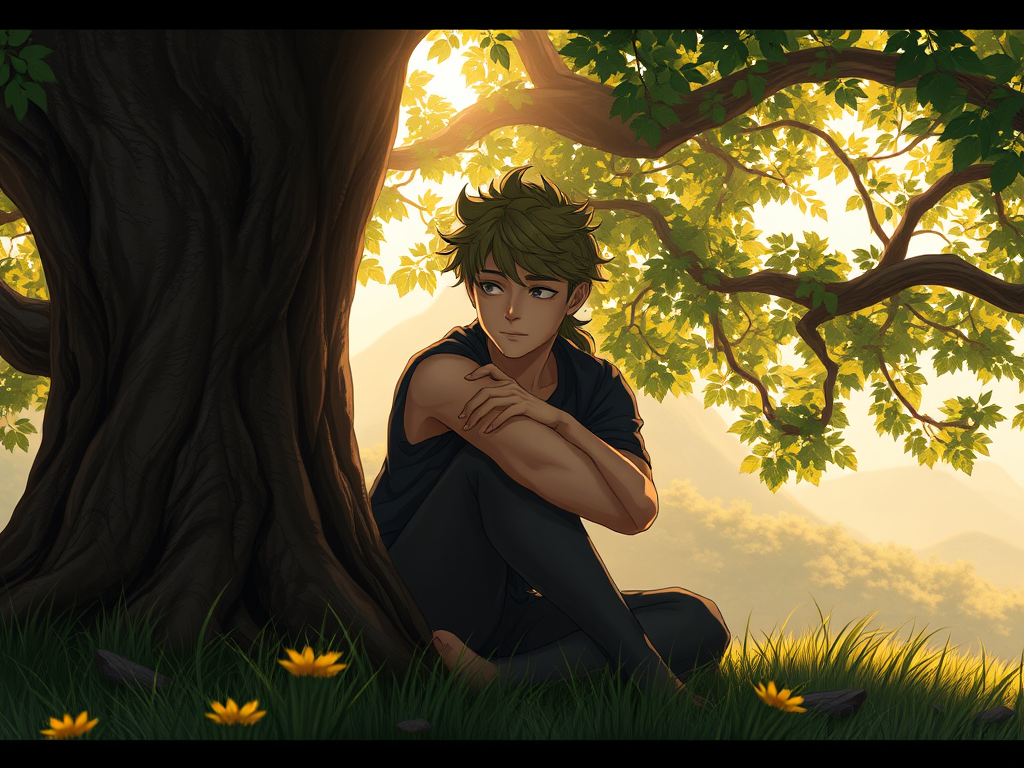
Nordic folklore often highlights themes of solitude and personal growth. In the tale of The Princess on the Glass Hill, a young man named Cinderlad spends time in solitude tending to his family’s farm. Through his solitary experiences and connection with nature, he gains the strength and wisdom to overcome challenges, ultimately winning the princess’s hand. Wikipedia
Icelandic Beliefs: The Huldufólk
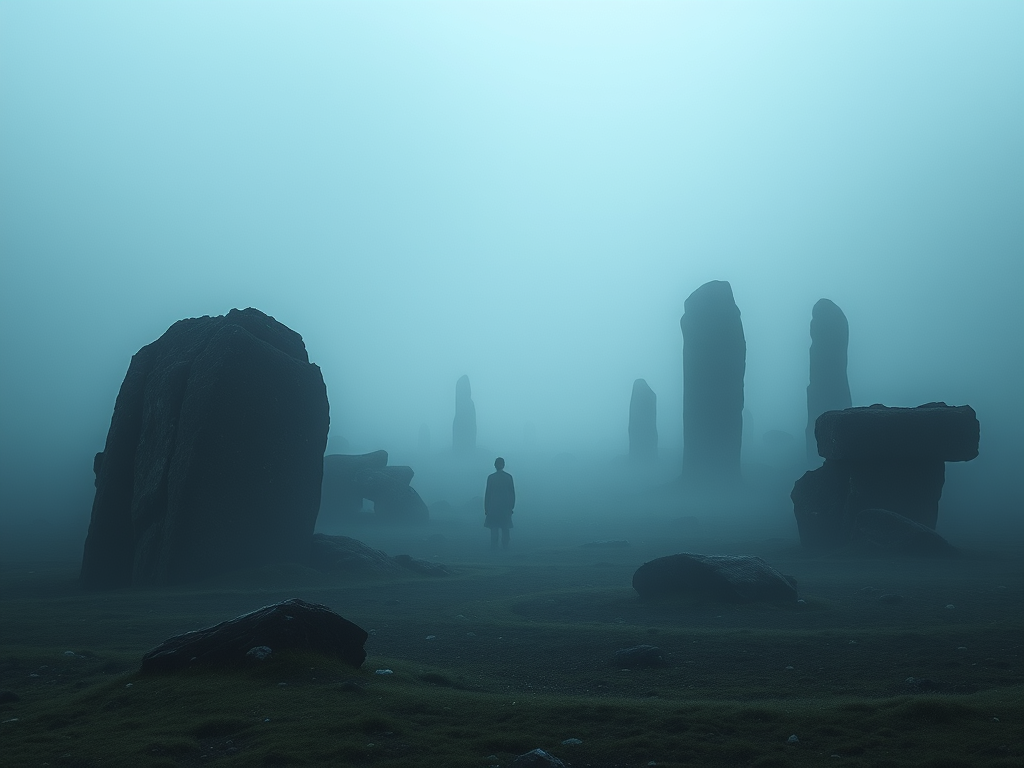
In Icelandic folklore, the Huldufólk or “hidden people” are believed to liveIcelandic Beliefs: The Huldufólk (continued)
…in solitude and secrecy within nature — rocks, hills, and lava fields. Icelanders often recount tales of farmers or travelers who encounter these hidden beings only when alone and spiritually attuned. In these moments of solitude, individuals gain guidance, insight, or warnings. This reflects a cultural reverence for quiet communion with the unseen and the deep wisdom that may arise from it.
Psychological Benefits of Solitude
Modern psychology supports what ancient traditions have long taught: solitude isn’t just spiritual — it’s scientifically beneficial for mental clarity, emotional regulation, and overall well-being.
| Benefit | Description |
|---|---|
| Self-Awareness | Time alone helps identify true thoughts and feelings apart from societal noise. |
| Creativity | Solitude boosts creative thinking by reducing distractions. |
| Emotional Regulation | Being alone helps process emotions, reducing reactivity and stress. |
| Decision-Making | Solitude enhances cognitive function, helping with clearer, more objective decisions. |
Enhanced Self-Awareness
Solitude strips away external noise. Without constant input from media, people, and tasks, we’re left face-to-face with our own thoughts. This allows us to hear the deeper voice — the one beneath the chatter.
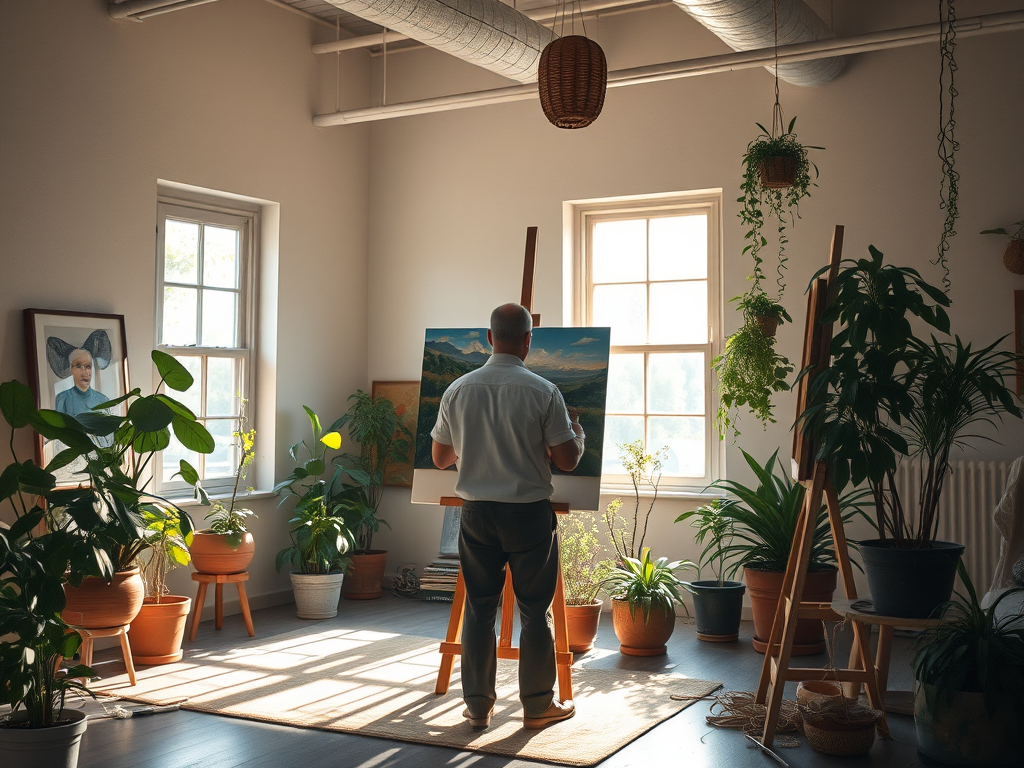
Increased Creativity
Countless creatives, from Virginia Woolf to Bob Marley, have lauded solitude as the birthplace of brilliance. By disconnecting, the brain forges new connections, allowing ideas to surface.
Emotional Regulation
Spending time alone teaches us to self-soothe, to recognize patterns, and to befriend the mind. Practices like mindfulness and breathwork amplify this benefit.
Improved Decision-Making Skills
Solitude reduces impulsivity. By stepping back, individuals make decisions grounded in values, not pressure or fear.
Practical Steps to Embrace Solitude
Many fear solitude because they don’t know how to be alone. Here are some gentle, empowering practices:
Mindfulness and Meditation
Start with 5 minutes a day. Focus on breath. Let the silence wrap around you like a warm shawl. In time, it becomes a sanctuary.
Journaling and Self-Reflection
Writing your thoughts offers clarity. Try prompts like “What does my soul long for?” or “Who am I when no one is watching?”
Nature Immersion
Go for a walk without your phone. Sit by water. Hike alone. The Earth, too, whispers truth in silence.
| Practice | Time Required | Tools Needed | Spiritual Benefit |
|---|---|---|---|
| Meditation | 5–30 minutes | Quiet space, timer | Inner peace, awareness |
| Journaling | 10–20 minutes | Notebook, pen | Self-clarity, emotional release |
| Nature Walk | 30+ minutes | Outdoor gear | Connection to Source, grounding energy |
| Silent Retreat | Weekend+ | Spiritual center | Deep renewal, transformation |
FAQs on Solitude and Personal Growth
🧘 What’s the difference between solitude and loneliness?
Solitude is chosen and healing; loneliness is unchosen and painful. One is nourishing, the other depleting. Solitude fills your cup from within.
🌿 Can too much solitude be harmful?
Yes — like everything, balance is key. Integrate solitude with meaningful connection.
🔮 Why do spiritual traditions value solitude?
Because silence reveals the soul’s truth. Across cultures, solitude is the path to enlightenment, divine connection, and healing.
✨ How do I begin a solitude practice?
Start small. A few minutes daily in silence, journaling, or prayer. Let the habit grow with your comfort.
🌌 Is solitude the same as isolation?
No. Solitude connects you inwardly, isolation cuts you off. Solitude heals — isolation can harm if prolonged or unintended.
Conclusion
Solitude isn’t emptiness. It’s the space where everything sacred begins. When we step away from the noise — the scrolling, the talking, the rushing — we return home to ourselves. We reclaim forgotten truths. We soften into wholeness.
In solitude, we remember:
🕊 We are not alone — we are all one.
🌻 We are not disconnected — we are deeply entwined with life.
🔥 We are not empty — we are overflowing with soul.
🌟 Subscribe to join a community of seekers, sages, and silent revolutionaries who are reclaiming peace in a chaotic world.
📺 Watch our youtube video embeded on solitude and clarity here →
🔔 Subscribe for weekly insights on spiritual growth & stoic wisdom.