

1. The Rainbow’s Allure
Picture this: You’re walking through a forest after a heavy rain. Suddenly, a vibrant rainbow appears, stretching across the sky. Your heart fills with joy and wonder. But why? In the next few minutes, we’ll delve into the spiritual symbolism behind this natural phenomenon. We will explore how it can enrich your life.
Welcome to our exploration of the hidden meanings within the arc of a rainbow. This journey unveils the profound spiritual significance that transcends its mere visual splendor. Throughout history, cultures across the globe have attributed deep symbolic value to this celestial spectacle. They perceive it as a bridge between the earthly and the divine.
As we embark on this illuminating odyssey, get ready to discover something new. Understanding the spiritual essence of rainbows can transform your perception. You will see reality differently. The rainbow’s symbolism echoes through ancient mythologies, religious texts, and contemporary spiritual practices. It offers insights that reshape your worldview and personal growth. Get ready to perceive these colorful apparitions through a new lens of awareness and appreciation.
2. Ancient Origins of Rainbow Symbolism

As we peer through this new lens of awareness, an intriguing question emerges. Which ancient civilizations first recognized the spiritual significance of rainbows? The answer surprises you. It reaches back to the very dawn of human spirituality. It intertwines with the myths and beliefs that shaped our ancestors’ understanding of the world.
The spiritual symbolism of rainbows has deep roots in human history, spanning across diverse cultures and continents. Ancient civilizations saw these colorful arcs in the sky. Early societies attributed profound meanings to them from the earliest known societies to more recent historical periods. Early societies saw rainbows as significant. More recent historical periods also gave these arcs profound meanings. Their interpretations laid the groundwork for the spiritual significance we continue to associate with rainbows today.
In the cradle of civilization, ancient Mesopotamian cultures viewed rainbows as divine messages. The Sumerians were one of the world’s earliest known societies. They believed that rainbows were celestial bridges used by the gods to communicate with mortals. This concept of rainbows as a connection between the earthly and divine realms. This idea would become a recurring theme in many cultures throughout history.
Moving eastward, we find that ancient Hindu mythology offers its own unique perspective on rainbows. In this rich tapestry of beliefs, the rainbow is closely part of Indra, the god of thunder and rain. Indra’s bow, known as Indradhanush, is said to be the source of rainbows. This celestial weapon, when not in use, appears as a rainbow in the sky. It symbolizes Indra’s protection and benevolence towards humanity.
Across the vast expanse of the Pacific, Native American cultures developed their own profound understanding of rainbows. Many tribes perceived rainbows as bridges connecting humans to the Great Spirit and the forces of nature. This interpretation emphasizes the rainbow’s role as a spiritual conduit, facilitating communication and harmony between the physical and spiritual worlds.
The circular shape of a rainbow holds particular significance in many ancient belief systems. This perfect arc symbolizes unity and wholeness, reflecting the cyclical nature of life and the interconnectedness of all beings. Ancient cultures recognized this symbolism, viewing the rainbow as a representation of the eternal cycle of birth, death, and rebirth.
In ancient Egypt, the rainbow was part of the goddess Isis, who was often depicted wearing a rainbow-colored headdress. This connection to a powerful deity underscores the rainbow’s status as a symbol of divine presence. It also emphasizes its role in providing protection in Egyptian mythology.
The vibrant colors of the rainbow also carried deep meaning for many ancient cultures. Each hue was believed to have unique energies. It also had significance. This contributed to the overall symbolism of the rainbow as a powerful sign of transformation and renewal. This interpretation of colors as carriers of spiritual energy has persisted through the ages. It has influenced modern color therapy and spiritual practices.
Ancient Greek mythology offers yet another perspective on rainbows. The Greeks personified the rainbow as Iris, the messenger of the gods. Iris was said to travel on the rainbow, carrying messages between the gods and mortals. This myth further reinforces the concept of rainbows as a bridge between the earthly and divine realms.
In the Americas, the ancient Maya civilization viewed rainbows as a sign of divine favor and protection. They associated rainbows with their rain god, Chac. They believed that the appearance of a rainbow signaled the end of a rainstorm. It also marked the return of favorable weather.
These diverse interpretations from ancient cultures share common threads. Across civilizations, rainbows were consistently viewed as symbols of divine communication, protection, and the interconnectedness of all things. They were seen as bridges between worlds, carriers of spiritual energy, and signs of renewal and transformation.
3. The Rainbow as a Divine Bridge

The concept of rainbows as bridges between worlds has persisted for millennia. Yet, in our modern age, we often overlook this profound symbolism. Reconnecting with this ancient wisdom enhances our own spiritual journeys? We uncover a universal archetype as we explore the rainbow’s role as a divine bridge. This archetype transcends cultural boundaries. It speaks to the human want for connection with the divine.
The circular shape of a rainbow symbolizes unity and wholeness, highlighting the interconnectedness of all things. This perfect arc in the sky serves as a powerful reminder of the cyclical nature of existence. It also highlights the harmony that exists between the physical and spiritual realms. Many spiritual traditions view this celestial phenomenon as a tangible link between the earthly plane and higher dimensions of consciousness.
In Norse mythology, the rainbow bridge is known as Bifröst. It connected the realm of gods (Asgard) with the world of humans (Midgard). This vivid imagery illustrates the belief that rainbows serve as conduits for divine energy and communication. The Norse saw these colorful arches as pathways for gods to descend to Earth. They were also seen as paths for worthy souls to ascend to the heavenly realms.
Similarly, in Hindu cosmology, the rainbow is part of the chakras, the energy centers within the human body. Each color of the rainbow corresponds to a specific chakra. This creates a symbolic bridge between the individual’s inner spiritual landscape and the vast expanse of the cosmos. This connection emphasizes the rainbow’s role in personal spiritual growth and enlightenment.
The concept of the rainbow as a bridge is prevalent in various cultures. It is seen as a connection to the divine and higher consciousness. In many Native American traditions, the rainbow is perceived as a path to the spirit world. Some tribes believe that walking under a rainbow can grant spiritual gifts or heightened awareness. This interpretation underscores the transformative potential of engaging with the rainbow’s symbolism on a personal level.
Tibetan Buddhism offers another perspective on the rainbow as a divine bridge. In this tradition, the rainbow body is the highest state of meditation, where the physical body dissolves into pure light. This concept aligns with the idea of the rainbow as a transitional state between the material and spiritual realms. It embodies the journey of consciousness towards enlightenment.
The rainbow’s vibrant colours are seen as a reminder of the beauty and wonder of the universe. Each colour carries its own unique energy and symbolism. In many esoteric traditions, these colours are different aspects of spiritual development. Red symbolize grounding and vitality, while violet often is higher consciousness and spiritual insight. By meditating on these colours, individuals can align themselves with specific spiritual frequencies and help their own growth.
In Christian mysticism, the rainbow has been interpreted as a ladder to heaven. It is reminiscent of Jacob’s ladder in the Old Testament. This imagery reinforces the idea of the rainbow to ascension and spiritual progress. It suggests that by contemplating the rainbow’s symbolism, one find guidance on their own spiritual path.
The Kabbalah, a form of Jewish mysticism, associates the rainbow with the Tree of Life. This is a central symbol representing the path to divine understanding. The colors of the rainbow are linked to the different Sephiroth, or divine attributes, on the Tree of Life. This complex system of correspondences illustrates how the rainbow can serve as a map for spiritual exploration and self-discovery.
In Taoist philosophy, the rainbow is seen as a manifestation of the balance between yin and yang energies. It is the harmonious interplay of opposing forces, serving as a bridge between dualities. This perspective encourages individuals to seek balance in their own lives. It also helps them recognize the interconnectedness of all aspects of existence.
By viewing rainbows through this spiritual lens, we open ourselves to profound insights and transformative experiences. The rainbow as a divine bridge invites us to explore the connections between our inner world and the vast cosmos. It also invites us to explore the connections between the physical and the spiritual. Furthermore, it encourages exploration between our current state of being and our highest potential.
4. Promises and Covenants

While rainbows bridge worlds, they also bind them through sacred oaths. In many spiritual traditions, these vibrant arcs are not just pathways but promises—divine declarations written across the sky. What universal truths we uncover by decoding these colorful covenants?
The concept of promises and covenants part of rainbows is deeply rooted in various religious and spiritual traditions. These celestial phenomena have long been interpreted as more than mere natural occurrences. They often symbolize divine assurances and sacred pacts between the heavens and Earth. This interpretation transcends cultural boundaries. It echoes through the annals of human spirituality. It offers profound insights into our relationship with the divine.
Perhaps the most well-known rainbow covenant comes from the biblical narrative of Noah and the great flood. According to this account, after the floodwaters receded, God established a covenant with Noah and all living creatures. He promised never again to destroy the Earth with a flood. The rainbow was given as a sign of this divine promise, a permanent reminder of God’s mercy and faithfulness. This story has had a lasting impact on Judeo-Christian traditions. It cements the rainbow’s status as a symbol of hope, renewal, and divine protection.
The spiritual significance of the rainbow as a covenant extends far beyond biblical references. Across various cultures, rainbows are viewed as symbols of protection and blessings from the divine. This universal interpretation suggests a deep-seated human need for reassurance and connection with higher powers. The rainbow has an ephemeral beauty and a seemingly miraculous appearance. It serves as a perfect canvas for these divine promises. It offers comfort and solace to those in need.
In many spiritual traditions, the rainbow symbolizes not only divine intervention but also providence. It stands as a testament to the belief that there is a guiding force watching over humanity. This force is ready to offer support and guidance in times of trouble. This concept of divine providence extends the idea of promise. It moves from a single, specific covenant to a broader, ongoing relationship between the spiritual and physical realms.
The circular shape of the rainbow further reinforces its symbolism of unity and wholeness. This perfect arc in the sky is the interconnectedness of all things. It serves as a visual reminder of the promises that bind the cosmos together. In this context, the rainbow can be seen as a covenant of balance and harmony. It is a pledge from the universe to keep order amidst chaos.
Many traditions also associate rainbows with healing energies and spiritual purification. This connection can be interpreted as a promise of restoration and renewal, both on a personal and universal scale. The appearance of a rainbow after a storm, for instance, be seen as nature’s own covenant. It is a promise that calm will always follow tumult. Beauty can emerge from even the darkest circumstances.
On a personal level, the concept of rainbow covenants can extend to individual spiritual journeys and commitments. Just as the rainbow is a divine promise, it can also symbolize the promises we make to ourselves. It can also symbolize the promises we make to the universe. These personal covenants involve commitments to growth, self-improvement, or service to others. We can align our own promises with the universal symbolism of the rainbow. By doing so, we tap into a powerful source of motivation and inspiration.
The multi-colored nature of rainbows also lends itself to interpretations of diversity and inclusivity. In this light, the rainbow can be seen as a covenant of acceptance and unity among all peoples. This modern interpretation has gained significance in recent decades. The rainbow flag has become a symbol of LGBTQ+ pride and solidarity. This usage is not directly related to ancient spiritual traditions. Nonetheless, it taps into the rainbow’s long-standing associations with promise, hope, and divine protection.
In some esoteric traditions, each color of the rainbow is part of specific spiritual promises or attributes. Red symbolizes the promise of vitality and passion, while violet is the covenant of spiritual wisdom and enlightenment. Practitioners meditate on these colors and their associated promises. They seek to align themselves with these universal energies. They also aim to manifest their benefits in their lives.
5. The Rainbow’s Spectrum of Wisdom

The rainbow’s colors offer more than mere promises—they contain entire realms of spiritual insight. Have you ever considered that the very sequence of these hues mirror our own journey of enlightenment? From the grounding red to the transcendent violet. Each shade hold the key to a different aspect of our spiritual evolution.
As we explore the rainbow’s spectrum of wisdom, we uncover a profound tapestry of meaning woven into its vibrant colours. Each hue carries its own unique energy and symbolism, contributing to the overall spiritual significance of this celestial phenomenon. Understanding the individual meanings of these colours can give deeper insights. These insights reveal the messages and energies that rainbows bring into our lives.
Let’s start our journey through the rainbow’s spectrum with the color red. Representing passion, strength, and vitality, red is often part of the root chakra and grounding energies. This fiery hue reminds us of the importance of staying connected to our physical existence while embarking on spiritual pursuits. It encourages us to cultivate inner strength and harness our life force energy.
Moving along the spectrum, we meet orange, a color that symbolizes creativity, joy, and abundance. Linked to the sacral chakra, orange energy promotes emotional balance and encourages us to embrace life’s pleasures. This warm hue invites us to tap into our creative potential and find joy in self-expression.
Yellow, the color of sunshine, is intellect, optimism, and clarity. Part of the solar plexus chakra, yellow energy empowers us to trust our inner wisdom and personal power. It encourages mental agility and positive thinking, helping us navigate life’s challenges with a bright outlook.
At the heart of the rainbow lies green, symbolizing growth, healing, and balance. Connected to the heart chakra, green energy fosters unconditional love and compassion. This nurturing color reminds us of our connection to nature. It underscores the importance of maintaining harmony in our relationships with ourselves, others, and the world around us.
Blue, the color of vast skies and deep oceans, is communication, truth, and inner peace. Part of the throat chakra, blue energy encourages authentic self-expression and clear communication. It invites us to speak our truth and listen deeply to others, fostering understanding and harmony.
As we approach the higher frequencies of the spectrum, we meet indigo. This deep, mysterious color symbolizes intuition, wisdom, and spiritual awareness. Linked to the third eye chakra, indigo energy enhances our psychic abilities and deepens our connection to our inner guidance. It invites us to trust our intuition and explore the realms of higher consciousness.
Finally, we reach violet, the color of transformation, spirituality, and enlightenment. Part of the crown chakra, violet energy is our connection to the divine and the infinite possibilities of the universe. This highest frequency color encourages spiritual growth and the expansion of our consciousness beyond the physical realm.
The combination of these colors in a rainbow creates a harmonious balance of energies. It offers a powerful tool for healing and spiritual enlightenment. We can tap into this transformative energy by meditating on the rainbow’s spectrum. We can also incorporate its colors into our daily lives. Wearing rainbow-colored clothing can promote a sense of joy. Visualizing the colors during meditation can promote positivity. Simply spending time in nature observing rainbows can promote inspiration.
Each time we meet a rainbow, we are presented with an opportunity for profound self-reflection and growth. By understanding the spiritual significance of each color, we can use the rainbow as a guide for our personal development. For example, if we feel disconnected from our physical reality, we focus on the grounding energy of red. If we seek to enhance our creativity, we can turn to the vibrant orange energy for inspiration.
The rainbow’s colorful show serves as a visual representation of the beauty and wonder surrounding us. It encourages us to embrace the magic and miracles of life. It reminds us that even in the midst of life’s storms, there is always the potential for beauty and transformation. By aligning ourselves with the rainbow’s energies, we open ourselves to a more vibrant, balanced, and spiritually enriched existence.
6. Rainbows and Chakra Alignment

While rainbows captivate us with their beauty, they also hold the key to unlocking our inner balance. Each vibrant hue in the spectrum serves as a gateway. These hues help align and heal specific energy points within us. The ancient wisdom of chakra meditation reveals a profound connection between these celestial arcs and our spiritual well-being.
The correlation between the seven colours of the rainbow and the seven main chakras is a concept. It is deeply rooted in various spiritual traditions. This alignment suggests that the natural phenomenon we see in the sky mirrors the energy centers within our own bodies. Each chakra is a different aspect of our physical, emotional, and spiritual well-being. Each one corresponds to a specific color in the rainbow spectrum.
Starting from the base of the spine, the root chakra aligns with the color red. It symbolizes our connection to the earth. It also is our sense of security. As we move upward, the sacral chakra resonates with orange, representing creativity and emotional balance. The solar plexus chakra, part of personal power and self-esteem, vibrates with the energy of yellow. At the heart center, we find green, the color of love, compassion, and healing. The throat chakra, our center of communication and self-expression, aligns with the calming blue of the sky. The third eye chakra, linked to intuition and inner wisdom, resonates with the deep indigo. Finally, at the crown of the head, the violet or purple chakra is our connection to higher consciousness. It also symbolizes spiritual awareness.
This fascinating correlation between rainbows and chakras opens up a realm of possibilities for spiritual practice and personal growth. By understanding these connections, we can work with them. We can use the rainbow as a powerful tool for chakra balancing and healing. Rainbow meditation is a technique that harnesses the energy of these colors. It offers a unique approach to aligning our chakras and promoting overall well-being.
Rainbow meditation involves visualizing the colors of the rainbow in sequence, allowing each hue to resonate with its corresponding chakra. This practice can help turn on and balance these energy centers, promoting physical, emotional, and spiritual harmony. As we focus on each color, we invite its unique vibration to flow through our body. It clears blockages and restores balance to our energy system.
A simple yet effective rainbow visualization technique for chakra alignment begins with finding a quiet space. Make sure it is comfortable, where you can relax without interruption. Close your eyes and take a few deep breaths to center yourself. Imagine a beautiful, vibrant rainbow arching across your mind’s eye. Start with the color red at the base of your spine. Visualize this warm, grounding energy flowing into your root chakra. Spend a few moments feeling its stabilizing presence.
Gradually move up to orange, allowing its creative and joyful energy to fill your sacral area. Continue this process with each color. Yellow energizes your solar plexus. Green expands your heart center. Blue opens your throat chakra. Indigo activates your third eye. Finally, violet or purple illuminates your crown chakra. As you focus on each color, imagine its healing energy flowing through your body. It is balancing and aligning each chakra in turn.
This rainbow meditation technique not only helps balance our chakras. It also connects us more deeply to the natural world around us. By aligning our inner energy centers with the colors we see in the sky, we create a harmonious bridge. This bridge is between our internal landscape and the external universe. This practice can lead to a greater sense of unity with nature. It also fosters a deeper appreciation for the beauty and wisdom inherent in natural phenomena like rainbows.
The practice of rainbow meditation and chakra alignment offers many benefits for our overall well-being. It can help reduce stress. It can improve emotional balance. It can enhance creativity. It can boost self-confidence. It can promote a sense of inner peace and spiritual connection. Regular practice leads to improved physical health, as balanced chakras are believed to support the body’s natural healing processes.
Moreover, working with rainbow energies can heighten our awareness of color in our everyday lives. We start to notice how different colors affect our mood and energy levels. This awareness allows us to make more conscious choices. These choices in our environment support our well-being. This increased color awareness can extend to our diet, clothing choices, and even the way we decorate our living spaces. All these elements contribute to a more balanced and harmonious life.
7. The Double Rainbow Phenomenon

Our journey through the spiritual landscape of rainbows takes an unexpected turn when we meet the double rainbow phenomenon. This rare occurrence challenges our understanding of both natural processes and spiritual symbolism. What hidden truths this dual arc of colors reveal about our own path of transformation?
The double rainbow phenomenon has long captivated observers, inspiring awe and wonder at its rare beauty. Single rainbows are a common sight. The appearance of a second, fainter rainbow above the primary arc is a less frequent event. This celestial doubling has sparked curiosity and reverence across cultures. It has led to a rich tapestry of scientific explanations and spiritual interpretations.
To understand the spiritual significance of double rainbows, we must first appreciate the scientific principles behind their formation. The occurrence of a double rainbow is a testament to the intricate interplay of light and water in our atmosphere. When sunlight enters a raindrop, it undergoes reflection and refraction, splitting into its part colors. In a single rainbow, we see one reflection within each raindrop. but, in a double rainbow, light is reflected twice within the raindrop before exiting.
This double reflection creates a secondary rainbow arc above the primary one, with the color order reversed. The primary rainbow displays the familiar sequence of red on top. Violet appears on the bottom. The secondary rainbow inverts this order. The space between the two rainbows, known as Alexander’s band, appears darker due to the complex interactions of light rays.
The rarity and beauty of double rainbows are well-known. Various cultures and traditions interpret them as powerful spiritual symbols. Many spiritual practitioners view the appearance of a double rainbow as a sign of transformation, renewal, and divine intervention. The dual arcs are often seen as a bridge between the physical and spiritual realms. They symbolize the connection between earthly existence and higher states of consciousness.
In some Native American traditions, double rainbows are considered especially powerful omens. They are seen as messages from the spirit world. These messages are often interpreted as signs of impending change. They can also be seen as a need for balance in one’s life. The appearance of a double rainbow be viewed as a call to align one’s actions with spiritual principles. It is also a reminder of the interconnectedness of all things.
Buddhist philosophy offers another perspective on the spiritual significance of double rainbows. In Tibetan Buddhism, the rainbow body is considered the highest state of meditation, where the physical body dissolves into light. The appearance of a double rainbow is sometimes interpreted as a sign of this transcendent state. It is also seen as a message from enlightened beings. It is seen as an invitation to deepen one’s spiritual practice and seek higher levels of awareness.
The concept of duality, represented by the two rainbow arcs, resonates with many spiritual traditions. This symbolism can be interpreted as a representation of the balance between opposing forces in the universe. These include light and dark, masculine and feminine, physical and spiritual. The double rainbow thus becomes a powerful symbol of harmony and the integration of seemingly opposite aspects of existence.
For those on a path of personal growth and spiritual development, encountering a double rainbow can be a profound experience. It is often viewed as a sign of positive change on the horizon. It brings a sense of optimism and renewed faith in life’s possibilities. The amplified energy of a double rainbow is believed to enhance the transformative power typically part of single rainbows. It offers an opportunity for accelerated spiritual growth and self-realization.
The reversed order of colors in the secondary rainbow can also hold spiritual significance. This inversion be interpreted as a reminder to look at life from different perspectives. It encourages flexibility in thought and openness to new ideas. It suggests that truth can be found in unexpected places and that wisdom often comes from seeing beyond surface appearances.
Some spiritual practitioners use the image of a double rainbow as a focus for meditation or visualization exercises. Individuals contemplate the dual arcs and their vibrant colors. They seek to align themselves with the harmonizing and transformative energies represented by this natural phenomenon. This practice is believed to help personal growth. It can enhance intuition. It can deepen one’s connection to the natural world and spiritual realms.
8. Rainbows in Dreams and Visions

As we drift into sleep, our minds enter a realm where the boundaries between the physical and spiritual blur. In this twilight state, the appearance of a rainbow takes on new significance. These dreamscape rainbows be more than mere reflections of waking experiences? What if they are, in fact, bridges to deeper spiritual understanding?
The occurrence of rainbows in dreams has long fascinated spiritual seekers and dream interpreters alike. These nocturnal visions of colorful arcs often carry profound symbolic meaning, offering insights into our subconscious minds and spiritual journeys. Across various cultures and spiritual traditions, rainbow dreams are often interpreted as messages from the divine. They are also seen as indicators of personal growth and transformation.
In Norse mythology, a rainbow appearing in dreams holds particular significance. It is seen as Bifröst, the bridge connecting the human realm with the domain of the gods. This interpretation suggests that a rainbow in your dream symbolizes a divine connection. It also be an important message from higher realms of consciousness. The appearance of this celestial bridge in your dreamscape show an opportunity for spiritual growth. It also be a call to pay attention to the messages from your higher self.
The symbolism of rainbow dreams extends beyond mythological interpretations. Many spiritual traditions view the colors of the rainbow as representations of different aspects of our being. Each hue carries its own unique spiritual meaning, which can be used to interpret the messages within the dream. For instance, the appearance of a vibrant red in your rainbow dream symbolizes passion or life force energy. A calming blue is communication and inner peace.
Interpreting the specific colors show in your rainbow dream can give valuable insights into your emotional state and spiritual progress. Show on the emotions and experiences part of each color. This can help you gain a deeper understanding of the areas in your life that must attention. It also highlights aspects that deserve celebration. This process of color interpretation can serve as a powerful tool for self-reflection and personal growth.
The presence of a rainbow in dreams is often interpreted as a sign of healing and balance. It shows that you are aligning with your higher self and making progress on your spiritual path. The rainbow’s arc, bridging the earth and sky, can symbolize the connection between your physical existence and your spiritual aspirations. This imagery suggests a harmonious integration of different aspects of your being. It encourages you to embrace both your earthly responsibilities and your spiritual growth.
To integrate the symbolism of rainbow dreams into your waking life, you need to show the emotions. Also, consider the experiences part of the dream. Consider the context in which the rainbow appeared. Pay attention to the other elements show in the dream. Show on your feelings upon seeing the rainbow. These details can give valuable clues about the dream’s message and its relevance to your current life situation.
Keeping a dream journal can be an effective way to track and analyze your rainbow dreams over time. Record the details of these dreams. Show on them. You start to notice patterns or recurring themes. This practice can help you develop a deeper understanding of your subconscious mind. It can also reveal the spiritual guidance it may be offering through these colorful visions.
The act of interpreting rainbow dreams can itself be a powerful spiritual practice. By engaging with the symbolism and meaning of these dreams, you open yourself to exploration. You delve into the messages of your subconscious mind. This process encourages self-reflection and introspection, fostering a deeper understanding of your life’s direction and purpose.
It’s important to remember that dream interpretation is a highly personal process. There are common symbolic meanings part of rainbows in dreams. The true significance of your dream rainbow will depend on your individual experiences, beliefs, and current life circumstances. Trust your intuition when interpreting these dreams, and don’t be afraid to explore multiple possible meanings.
9. The Rainbow Body in Tibetan Buddhism

While dream interpretation offers insights into our subconscious, some spiritual traditions speak of a far more profound rainbow phenomenon. What if the colors of the rainbow manifest not just in our dreams, but in our very being? In Tibetan Buddhism, there exists a concept so extraordinary. It challenges our understanding of human potential. This concept is the attainment of the ‘rainbow body’.
The rainbow body is the pinnacle of spiritual achievement in Tibetan Buddhist tradition. This esoteric concept refers to the transformation of the physical body into pure light or energy upon death. It leaves behind only hair, nails, and sometimes the soles of the feet. This extraordinary phenomenon occurs when an advanced practitioner has completely purified their mind and body. They achieve this through intense spiritual practices.
Attaining the rainbow body is part of advanced spiritual practices. These practices include intense meditation, compassion, and the realization of the nature of reality. These practices are not merely intellectual exercises but profound transformations of one’s entire being. Practitioners dedicate their lives to cultivating bodhicitta. Bodhicitta is the intention to meet enlightenment for the help of all beings. Practitioners also develop a deep understanding of the ultimate nature of reality.
The process of achieving the rainbow body is often linked to the teachings of certain enlightened masters. These masters have demonstrated this phenomenon. They serve as models for practitioners. These individuals are revered not only for their spiritual accomplishments but also for their compassion and wisdom. Their examples inspire others on the path, showing that such extraordinary transformation is possible through dedicated practice and unwavering commitment.
Philosophically, the rainbow body is the culmination of the spiritual journey. The individual realizes their inherent nature as pure consciousness. They are free from the limitations of the physical form. This concept challenges our conventional understanding of reality. It suggests that the material world we perceive is not as solid or permanent as it seems. Instead, it posits that our true nature is more akin to light or energy. We are capable of transcending the boundaries of physical existence.
The rainbow body is viewed as a profound spiritual transformation. It not only signifies personal enlightenment but also serves as an inspiration for others on the spiritual path. It is the potential for finish liberation from the cycle of birth and death. This state of being exists beyond the constraints of ordinary existence. This achievement is seen as a direct manifestation of the practitioner’s realization of the empty nature of all phenomena. They realize the empty nature of their own body and mind.
Practices part of achieving the rainbow body include the cultivation of bodhicitta. They also must a deep understanding of the nature of reality. These practices involve rigorous meditation techniques, ethical discipline, and the development of profound compassion for all beings. Practitioners work to dissolve their ego-centered perceptions. They recognize the interconnectedness of all things. Gradually, they align their consciousness with the ultimate truth of existence.
The concept of the rainbow body challenges our materialistic worldview. It invites us to consider the possibility of consciousness existing beyond the physical form. It suggests that through dedicated spiritual practice, one can transform not only their mind. Practitioners can also transform their physical being into a state of pure energy. This idea resonates with ancient wisdom traditions. These traditions speak of the illusory nature of physical reality. They also highlight the potential for human consciousness to transcend its clear limitations.
The attainment of the rainbow body seems fantastical to some. but it serves as a powerful metaphor for the transformative potential of spiritual practice. Even for those who not literally pursue this goal, the concept offers valuable insights into the nature of consciousness. It also reveals the possibilities for human growth and evolution. It encourages us to look beyond our current limitations and explore the vast potential that lies within our own being.
10. Rainbows in Native American Spirituality

The transformative power of rainbows resonates across cultures. Native American traditions offer a unique perspective that challenges our conventional understanding. In these ancient beliefs, rainbows are more than just light and water – they are living connections between worlds. What secrets do these colorful bridges hold in Native American spirituality?
Native American cultures have long revered rainbows as powerful symbols of transformation, renewal, and divine blessings. These vibrant arcs in the sky hold a significance that extends far beyond their visual beauty. They embody profound spiritual truths. They also serve as bridges between the physical and spiritual realms.
In many Native American creation myths, rainbows play a central role in the formation of the world. They help build harmony in the natural order. These stories often depict rainbows as manifestations of divine energy. They connect the earth to the heavens and bring balance to the cosmos. The appearance of a rainbow is often interpreted as a sign of divine approval. It reinforces the belief in a higher power that watches over and guides humanity.
The spiritual significance of rainbows in Native American traditions is deeply intertwined with their reverence for nature. It also reflects the interconnectedness of all living beings. Many tribes view rainbows as visual representations of the unity and diversity shown in the natural world. Each color of the rainbow is linked to different aspects of life, spiritual qualities, or natural elements. These colours create a holistic symbol that encompasses the entirety of existence.
For many Native American tribes, rainbows serve as pathways for communication between the earthly and spiritual realms. They are seen as conduits. Through them, prayers and messages can be sent to the spirit world. Guidance and wisdom can also be received through them. This concept of rainbows as spiritual bridges emphasizes their role in facilitating a deeper connection between humans and the divine.
The appearance of a rainbow is often interpreted as a powerful omen or sign in Native American spirituality. It signify the end of hardships, the promise of abundance, or the arrival of significant change. Some tribes believe that seeing a rainbow is an invitation to think about one’s life path. They think it is a call to make necessary adjustments to align more closely with spiritual truths.
In certain Native American healing practices, the energy of rainbows is invoked for its transformative and restorative properties. Rainbow ceremonies and rituals are conducted to bring about healing, both on individual and communal levels. These practices often involve the use of rainbow colors in various forms. This includes clothing, face paint, or sacred objects. These items harness the rainbow’s spiritual power.
The concept of the rainbow as a symbol of promise and covenant is found in many world religions. It also resonates in Native American spirituality. Instead, rainbows in these traditions often symbolize an ongoing covenant between humans, nature, and the spirit world. This covenant emphasizes the responsibility of humans to keep harmony with the natural world and honor their spiritual heritage.
Many Native American tribes associate rainbows with specific spirit beings or deities. These rainbow spirits are often portrayed as powerful guardians or messengers, capable of bestowing blessings or imparting important spiritual teachings. The appearance of a rainbow is seen as a visitation from these spirits. It offers guidance or protection to those who witness it.
The spiritual significance of rainbows in Native American traditions extends to their use in art and symbolism. Rainbow motifs are often incorporated into traditional artwork, clothing, and ceremonial objects. They serve as constant reminders of the spiritual truths and connections they represent. These visual representations help to keep the spiritual teachings linked to rainbows alive and available in daily life.
Native American wisdom about rainbows also includes teachings about the importance of balance and the cyclical nature of existence. The rainbow’s arc spans from earth to sky and back again. It is seen as a metaphor for the journey of the soul through different planes of existence. This concept encourages a holistic view of life, death, and rebirth. It emphasizes the continuity of spiritual existence beyond the physical realm.
11. The Rainbow Serpent of Aboriginal Dreamtime
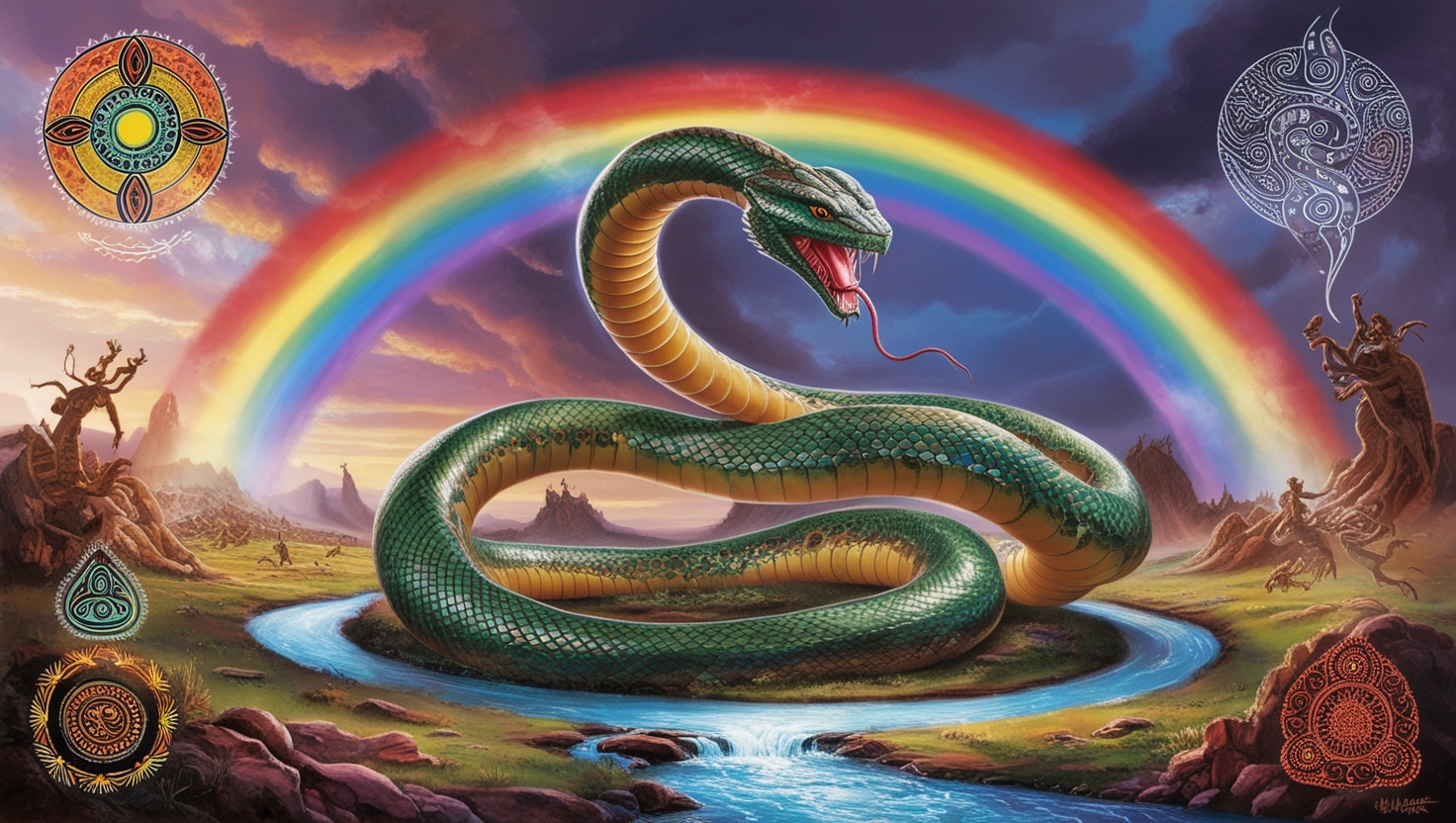
Native American traditions view rainbows as bridges between worlds. Aboriginal Australian spirituality takes this concept to an entirely new level. What if the rainbow itself was not just a symbol, but a living, breathing entity? Enter the Rainbow Serpent, an ancient being that holds the power of creation in its colorful coils. This primordial creature stands at the heart of Aboriginal Dreamtime stories. It embodies the essence of life, water, and the earth itself.
The Rainbow Serpent is a central figure in Aboriginal Australian spirituality. It is often regarded as a creator deity. It is also a symbol of fertility and life. This powerful being transcends mere symbolism, representing a fundamental force in the cosmos. In Aboriginal Dreamtime stories, the Rainbow Serpent is linked to the creation of landscapes, rivers, and water sources. This emphasizes its connection to the earth and life forces.
As a creator deity, the Rainbow Serpent plays a pivotal role in shaping the physical world. Aboriginal stories tell of the Rainbow Serpent creating rivers and mountains. It moved through the land, leaving behind a rich and diverse ecosystem. This narrative highlights the intimate relationship between the spiritual and physical realms in Aboriginal belief systems. Mythological beings directly influence the formation of the natural world.
The Rainbow Serpent is often depicted as a powerful and protective being. It embodies the duality of creation and destruction. This reflects the natural cycles of life. This aspect of the Rainbow Serpent’s nature underscores the Aboriginal understanding of the balance inherent in the universe. The creature’s ability to both create and destroy mirrors the ebb and flow of natural forces. It reinforces the idea that life and death are part of a continuous, interconnected cycle.
The mythology surrounding the Rainbow Serpent connects it to water. It emphasizes its role in sustaining life and the importance of water in Aboriginal culture. Water is seen as a life-giving force. The Rainbow Serpent’s association with it highlights its significance as a bringer of fertility and abundance. This connection to water sources also positions the Rainbow Serpent as a guardian of these vital resources. It reflects the Aboriginal people’s deep respect for and reliance on the natural environment.
The Rainbow Serpent’s ongoing spiritual significance is reflected in its role as a guardian of water sources. It also symbolizes the interconnectedness of all living beings. This concept resonates with many Aboriginal communities. It fosters a sense of unity with nature. It reinforces the importance of environmental stewardship. The Rainbow Serpent serves as a powerful reminder of the delicate balance that exists within ecosystems. It also highlights the need to keep harmony with the natural world.
In many Aboriginal cultures, the appearance of a rainbow is seen as a reminder of the Rainbow Serpent. It symbolizes renewal and the cyclical nature of life. This association between the physical phenomenon of rainbows and the mythological Rainbow Serpent is significant. It creates a tangible link between the visible world and the spiritual realm. This connection makes the abstract spiritual concepts more accessible. This link allows Aboriginal people to connect with their ancestral beliefs and traditions through everyday natural occurrences.
The Rainbow Serpent is often invoked in rituals and ceremonies. This highlights its importance in maintaining harmony with nature. It also shows its significance in the spiritual world. These practices reinforce the cultural significance of the Rainbow Serpent. They pass down traditional knowledge from one generation to the next. Through these ceremonies, Aboriginal communities strengthen their connection to the land, their ancestors, and their spiritual heritage.
‘The Rainbow Serpent embodies the essence of life, water, and the earth. It serves as a powerful reminder of the balance between creation and destruction.’ This quote encapsulates the multifaceted nature of the Rainbow Serpent in Aboriginal spirituality. It emphasizes the creature’s role not only as a creator. It is also a symbol of the delicate equilibrium that exists in nature.
The Rainbow Serpent’s influence extends beyond traditional storytelling and ceremonies, permeating various aspects of Aboriginal art and culture. Depictions of the Rainbow Serpent in rock art, paintings, and other forms of artistic expression are common. These serve as visual representations of its spiritual significance. These artworks offer visual representations of its spiritual significance. These artworks offer insight into its spiritual significance. These artistic renderings help preserve and pass on the complex mythology surrounding the Rainbow Serpent. They guarantee its continued relevance in contemporary Aboriginal society.
12. Rainbows in Celtic Spirituality

We shift our gaze from the Aboriginal Rainbow Serpent to the misty hills of Ireland and Scotland. A new rainbow mystery unfolds. In Celtic spirituality, these celestial arcs serve as more than mere weather phenomena. They are believed to be gateways to realms beyond our own, holding secrets of harmony and divine connection. What spiritual gifts await those who understand the true nature of these colorful bridges?
The Celtic spiritual tradition weaves a rich tapestry of beliefs and practices around the phenomenon of rainbows. These vibrant arcs in the sky hold a special place in Celtic mythology and folklore. They often serve as symbols of divine presence, protection, and the connection between the earthly and spiritual realms. The Celtic interpretation of rainbows offers a unique perspective. It both complements and contrasts with other cultural traditions we have explored.
In Celtic mythology, rainbows are often linked to the concept of the Otherworld. The Otherworld is a realm beyond the physical that is home to deities, ancestors, and supernatural beings. This Otherworld is not seen as a distant or separate place. Rather, it is a dimension that closely intertwines with our own. It occasionally becomes visible through natural phenomena like rainbows. The appearance of a rainbow is thus interpreted as a moment when the veil between worlds thins. It offers a glimpse into the magical realm beyond.
The symbolism of rainbows in Celtic tradition extends beyond their role as bridges to the Otherworld. They are also seen as signs of divine protection and blessings from the gods. In many ancient Celtic stories, the appearance of a rainbow is interpreted as a favorable omen. It signals the end of hardships or the beginning of a period of prosperity. This association with divine favor has led to the incorporation of rainbow imagery in various Celtic blessings and prayers. These blessings invoke the protective and benevolent energies believed to be channeled through these colorful arches.
Celtic folklore often speaks of treasures hidden at the end of the rainbow. This concept has permeated popular culture far beyond Celtic lands. But, in the original Celtic context, these treasures were not merely material wealth but often represented spiritual gifts or insights. The journey to the end of the rainbow was seen as a metaphor for the spiritual quest. The ‘treasure’ was enlightenment, wisdom, or a deeper connection with the divine.
In modern Celtic spiritual practices, the symbolism of rainbows continues to play a significant role. Many contemporary Celtic-inspired rituals and meditations incorporate rainbow visualization techniques. They use the colors of the rainbow as a means to connect with different aspects of the self. Practitioners also use the colors to invoke specific energies. Each color of the rainbow often connects with particular qualities. These qualities or elemental forces allow practitioners to work with these energies in their spiritual practices.
The integration of rainbow symbolism in Celtic spirituality extends to the concept of harmony and balance. The rainbow has a perfect arc and spectrum of colors. It signifies the harmony that Celtic traditions strive to achieve. This harmony is between different aspects of life and the natural world. This symbolism resonates strongly with the Celtic emphasis on the interconnectedness of all things. It also highlights the importance of maintaining balance in one’s life and environment.
Celtic artwork and sacred symbols often incorporate rainbow motifs. These motifs serve as visual reminders of the spiritual principles linked to these celestial phenomena. Rainbow imagery has been around from ancient stone carvings to modern Celtic-inspired jewelry and artwork. It continues to be a powerful symbol of spiritual connection and divine presence in Celtic culture.
The enduring legacy of rainbow symbolism in Celtic spirituality offers valuable insights into the Celtic worldview. It reflects a deep appreciation for the natural world as a source of spiritual wisdom and divine communication. The rainbow serves as a reminder of the thin veil between the physical and spiritual realms. It encourages those who witness it to stay open to the possibility of magic and wonder in their everyday lives.
13. The Rainbow as a Symbol of Hope

As we transition from Celtic realms to a global perspective, a curious pattern emerges. Throughout history, diverse cultures have independently adopted the rainbow as a symbol of optimism and renewal. What innate human experience connects us all to this celestial phenomenon? How has it shaped our collective response to adversity? The evolution of the rainbow as a beacon of hope offers a fascinating glimpse into humanity’s shared spiritual language.
The rainbow’s journey from divine covenant to modern emblem of solidarity is a testament to its enduring power. This transformation reveals intriguing insights about the nature of hope itself and our psychological need for symbols of reassurance. The universal appeal of the rainbow as a symbol of hope transcends cultural boundaries. It suggests a deep-rooted human connection to this natural phenomenon.
Tracing the evolution of the rainbow as a symbol of hope across cultures and time periods unveils a rich tapestry. It reveals shared human experience. It shows a rich tapestry. It reflects shared human experience. Examining the rainbow’s role as a symbol reveals a deep connection across different cultures and eras. In many ancient traditions, the rainbow represented a bridge between the earthly and divine realms. It symbolized communication with higher powers. It also symbolized the promise of divine protection. This concept of the rainbow as a sign of divine favor established its link with hope. It also linked it with optimism.
The biblical story of Noah highlights the rainbow as a symbol of God’s covenant with humanity. It signifies divine mercy and a fresh start. This powerful narrative has influenced the perception of rainbows in Judeo-Christian cultures for millennia. It has cemented their status as symbols of hope and renewal. The image of a rainbow appearing after a great flood resonates with the human experience. People find hope in the aftermath of tribulation.
As societies evolved and scientific understanding of rainbows grew, the symbolism attached to these colorful arcs expanded beyond religious contexts. The rainbow’s natural beauty is ephemeral. This quality began to represent the fleeting yet precious moments of joy and wonder in human life. This shift in perception allowed the rainbow to become a more universal symbol. It became accessible to people of diverse beliefs and backgrounds.
The psychological impact of seeing rainbows during challenging times is profound. Vibrant colors suddenly across the sky after a storm. They serve as a powerful metaphor for the possibility of positive change. This visual representation of hope can trigger a surge of optimism. It provides emotional relief and renewed motivation to persevere through difficulties. The rainbow’s ability to evoke such strong positive emotions contributes to its enduring status as a symbol of hope.
In modern times, the rainbow has been adopted as a symbol of solidarity in various social and political movements. Its inclusive nature, encompassing a spectrum of colors, makes it an ideal representation of diversity and unity. The rainbow flag was originally designed for the gay pride movement in the 1970s. It has become a globally recognized symbol of LGBTQ+ rights and acceptance. This adaptation of the rainbow symbolism demonstrates its versatility and ongoing relevance in addressing contemporary social issues.
The presence of a rainbow is believed to be a message from the universe. It indicates that everything will be okay and that individuals are being guided and protected. This interpretation resonates with many people. It transcends their spiritual or religious beliefs. The rainbow’s ability to give comfort and reassurance in times of uncertainty is highlighted.
The colors of the rainbow each carry unique meanings, contributing to its overall symbolism of hope and positivity. Red often signifies passion and vitality, while violet is linked to spirituality and wisdom. The full spectrum of colors working in harmony serves as a reminder. It shows the diverse elements that come together to create beauty and balance in life. This further reinforces the rainbow’s message of hope.
In times of global crisis, like the COVID-19 pandemic, rainbows have emerged as powerful symbols of solidarity and resilience. Across the world, people displayed rainbow images in windows and public spaces. They did this as a sign of support for healthcare workers and as a message of hope to their communities. This spontaneous global adoption of the rainbow symbol demonstrates its universal appeal. It also shows its ability to unite people across cultural and geographical boundaries.
The power of the rainbow as a symbol of hope is immense. It lies in its ability to connect the beauty of the natural world. The enduring symbol bonds with the human capacity for optimism and renewal. Its presence in the sky after a storm serves as a tangible reminder that difficult times are temporary. Beauty can emerge from challenging circumstances. This message resonates deeply with the human psyche, offering comfort and inspiration in times of need.
14. Rainbows in Modern Spirituality

As we explore the enduring power of rainbows, a curious question arises. These celestial arcs be more than mere symbols of hope? In the realm of modern spirituality, rainbows are taking on new dimensions of meaning. They challenge our understanding of their role in personal growth and healing. Contemporary spiritual movements are reimagining the significance of rainbows in unexpected ways. They are integrating their symbolism into holistic practices and New Age philosophies.
The concept of ‘rainbow children’ has emerged as a fascinating aspect of modern spiritual thought. Some New Age beliefs hold that rainbow children are considered to be a new generation. These souls are highly evolved and incarnating on Earth. These individuals are believed to have special spiritual gifts and a heightened level of consciousness. The rainbow, in this context, symbolizes the diverse spectrum of abilities. It also shows the potential for spiritual enlightenment these children are thought to embody.
This idea of rainbow children reflects a broader trend in contemporary spirituality. This trend seeks to find deeper meaning in natural phenomena. It suggests that the rainbow’s symbolism extends beyond its traditional associations with hope and divine covenant. It serves as a key to unlocking hidden spiritual potential within each individual.
The integration of rainbow symbolism into holistic healing practices has gained significant traction in recent years. Rainbow therapy, also known as chromotherapy, is a healing modality. It utilizes the colors of the rainbow to restore balance and harmony to the body and mind. Practitioners of this therapy believe that each color of the rainbow corresponds to specific organs and emotions. These colors can be used to tackle various physical and psychological issues.
In rainbow therapy sessions, individuals are exposed to different colored lights. They also visualize specific colors to achieve desired healing effects. For example, the color red be used to stimulate energy and vitality. Blue is employed to promote calmness and clarity of thought. This practice shows how modern spiritual movements are adapting ancient color symbolism. They blend traditional wisdom with new interpretations.
The use of rainbow imagery in New Age and contemporary spiritual practices extends beyond therapy sessions. Many spiritual seekers incorporate rainbow energy into their daily lives. They do this to enhance their spiritual practices and promote overall well-being. This involves wearing rainbow-colored clothing. It also includes meditating on the colors of the rainbow. Another method is surrounding oneself with rainbow-hued crystals or objects.
These practices show a belief that the rainbow’s spectrum holds powerful energies. These energies can be harnessed for personal growth and spiritual development. Practitioners aim to align themselves with the harmonizing qualities of the rainbow. They also seek its transformative qualities by engaging consciously with these energies.
The integration of rainbow symbolism into modern spirituality also manifests in the creation of rainbow-themed rituals and ceremonies. These include rainbow meditation techniques. Individuals visualize themselves bathed in the colors of the rainbow. This promotes healing and spiritual alignment. Some spiritual communities organize rainbow gatherings, events that celebrate diversity, unity, and spiritual connection through the symbolism of the rainbow.
Contemporary interpretations of rainbow symbolism often emphasize its representation of inclusivity and unity in diversity. This aspect resonates strongly with modern spiritual movements that promote global consciousness and interconnectedness. The rainbow, with its seamless blending of colors, serves as a powerful metaphor. It signifies the unity of all beings. It also symbolizes the integration of different aspects of the self.
The reinterpretation of rainbow symbolism in modern spirituality also extends to its role in personal transformation and spiritual awakening. Some New Age philosophies view the rainbow as a representation of the spiritual journey itself. Each color corresponds to a different stage of enlightenment or level of consciousness. This perspective encourages individuals to see their spiritual growth as a gradual process of illumination. It is much like the spectrum of colors in a rainbow.
15. The Science Behind the Spiritual Experience

Beyond their role in spiritual symbolism, rainbows show a compelling mystery. How does a simple interaction between light and water droplets create an experience so universally moving? The answer lies in the fascinating interplay between our brain’s response to color and light. Our innate human capacity for wonder also plays a role. This exploration of the science behind rainbows offers a unique opportunity. It can deepen our appreciation of these celestial phenomena. It can also potentially enhance our spiritual connection to them.
The formation of a rainbow is a testament to the intricate dance between light and water in our atmosphere. When sunlight enters a raindrop, it undergoes a series of reflections and refractions. This process causes the light to separate into its part colors, creating the familiar spectrum we see. The precise angle at which the light exits the raindrop determines the color we see. Red appears at the top of the arc. Violet appears at the bottom.
Understanding the physics behind rainbow formation doesn’t diminish their beauty or spiritual significance. Instead, it adds a layer of appreciation for the complexity and precision of natural phenomena. Knowing that countless water droplets must be perfectly aligned to create this spectacle is awe-inspiring. It highlights the intricate workings of the universe.
The psychological impact of viewing rainbows has been the topic of scientific inquiry. Studies have shown that exposure to the full spectrum of visible light. This exposure, as seen in rainbows, can have profound effects on human mood and well-being. The vibrant colors stimulate various areas of the brain, potentially triggering the release of neurotransmitters linked to positive emotions.
Color psychology offers insights into why rainbows evoke such strong emotional responses. Each hue in the spectrum is linked to different psychological effects. For instance, blue is often linked to feelings of calmness and serenity, while yellow is connected to optimism and energy. The harmonious blending of these colors in a rainbow creates a balanced and uplifting visual experience.
The rarity and fleeting nature of rainbows contribute to their emotional impact. From a scientific perspective, specific conditions are required for rainbow formation. These include sunlight, water droplets, and the correct viewing angle. These factors explain why rainbows are not everyday occurrences. This scarcity enhances our appreciation and emotional response when we do find them.
Physiologically, the act of looking up at the sky to view a rainbow can have positive effects on the body. The neck extension helps. Focusing on a distant object can give a brief respite from the front-focused posture often linked to modern lifestyles. This physical act, joined with the visual stimulation of the rainbow, contribute to feelings of openness and expansiveness.
The science of optics reveals that rainbows are not fixed objects in the sky. They are optical phenomena that depend on the observer’s position. This understanding aligns with many spiritual teachings about the subjective nature of reality and the importance of perspective. It suggests that each person’s experience of a rainbow is unique, much like individual spiritual journeys.
Research in the field of environmental psychology has explored the restorative effects of natural beauty on human cognition and emotion. Rainbows are striking examples of natural aesthetics. They trigger what psychologists call “soft fascination.” This is a state of effortless attention that allows for reflection and restoration of mental resources.
The universal human response to rainbows across cultures and time periods suggests a deep-rooted connection to these phenomena. Evolutionary psychologists propose that our attraction to certain visual stimuli has adaptive origins. These stimuli include vibrant colors and patterns in nature. The positive emotions evoked by rainbows be linked to ancient associations with favorable environmental conditions.
Understanding the science behind rainbows can enhance rather than diminish the spiritual experience. We appreciate the precise conditions and complex interactions required for their formation. This gives us a deeper sense of the interconnectedness of natural phenomena. This scientific knowledge can serve as a foundation for spiritual contemplation, bridging the gap between empirical observation and transcendent experience.
16. Rainbows in Art and Literature

While science illuminates the physical properties of rainbows, art and literature reveal their profound impact on the human spirit. What hidden meanings have great thinkers and artists uncovered in these celestial arcs? The answer reshapes how you perceive these fleeting wonders. Throughout history, rainbows have captured the imagination of artists, poets, and writers. They serve as powerful symbols of hope, transformation, and divine connection. Their representation in various art forms offers a unique window into the cultural and spiritual significance of these ephemeral phenomena.
In classical literature, rainbows often emerge as harbingers of change, symbolizing the transition from one state of being to another. This motif reflects the universal human experience of transformation and renewal, echoing the rainbow’s natural appearance after a storm. Ancient texts and myths often use rainbow imagery to convey messages of hope and divine intervention. This reinforces the idea that these colorful arcs serve as bridges between the earthly and celestial realms.
The visual arts have long been enamored with the rainbow’s beauty and symbolism. From ancient tapestries to modern paintings, artists have sought to capture the ethereal quality of rainbows. They aim to portray the emotions rainbows evoke. Famous works of art often depict rainbows as symbols of hope and renewal. They translate their fleeting beauty into enduring images. These images continue to inspire viewers across generations. These artistic interpretations have played a significant role in shaping cultural perceptions of rainbows. They have cemented their status as powerful symbols of positivity and transformation.
In poetry, rainbows often symbolize the fleeting nature of beauty. They also represent the promise of hope after turmoil. This encapsulates the duality of existence. Poets have long been drawn to the rainbow’s ability to bridge the gap between the tangible and the intangible. They use its imagery to explore themes of transcendence and spiritual awakening. The rainbow’s spectrum of colors provides a rich palette for poetic expression. It allows writers to convey complex emotions and ideas through vivid, sensory language.
The symbolism of rainbows in literature varies across different cultures. Still, it is universally regarded as a symbol of beauty and spiritual enlightenment. This cross-cultural appreciation highlights the rainbow’s universal appeal and its ability to transcend linguistic and cultural boundaries. In many literary works, the appearance of a rainbow serves as a pivotal moment. It signals a shift in the narrative or a character’s inner journey. This literary device draws on the reader’s innate understanding of the rainbow’s symbolic power, creating a shared emotional experience.
Contemporary artists continue to explore the rainbow’s symbolism, often reinterpreting traditional meanings to discuss modern concerns. In recent years, the rainbow has become a powerful symbol of diversity and inclusion, particularly in LGBTQ+ rights movements. This modern interpretation builds upon the rainbow’s historical associations with unity and divine blessings. It adapts its symbolism to show current social values and aspirations.
The enduring presence of rainbows in art and literature speaks to their profound impact on the human psyche. These artistic representations serve as a bridge between the scientific understanding of rainbows and their spiritual significance. They allow individuals to connect with these natural phenomena on a deeper, more personal level. Through art and literature, the fleeting beauty of a rainbow is transformed into a lasting source of inspiration and contemplation.
The rainbow’s colorful show in artistic works serves as a visual representation of the beauty and wonder that surrounds us. It inspires viewers to embrace the magic of life. This artistic interpretation reinforces the rainbow’s role as a symbol of hope and renewal. It encourages individuals to find beauty and meaning in their everyday experiences. Artists and writers invite their audience to pause and think. They do this by capturing the essence of rainbows in their work. This fosters a sense of connection to the natural world. It also fosters a connection to the human experience.
17. Personal Rainbow Experiences

Beyond artistic interpretations, rainbows have the power to profoundly impact individual lives. What transformative experiences have people encountered when witnessing these celestial phenomena? The answer reshapes your perception of these fleeting spectacles and their role in personal spiritual journeys. Throughout history, countless individuals have reported profound encounters with rainbows. These moments have sparked spiritual awakenings. They have led to life-changing decisions and deep personal transformations.
One recurring theme in personal rainbow experiences is the sense of divine guidance or intervention. Many individuals report seeing rainbows at crucial moments in their lives. They interpret their appearance as a sign of support from higher powers. These encounters often occur during times of uncertainty or transition, providing a sense of reassurance and direction. For some, the sight of a rainbow has served as a catalyst for major life decisions. It inspires them to pursue new paths or overcome challenging obstacles.
The emotional impact of rainbow encounters can be profound and long-lasting. People often describe feeling a surge of hope, joy, and wonder upon witnessing a particularly vibrant or well-timed rainbow. These experiences often evoke a sense of connection to something greater than oneself. They lead to moments of clarity and spiritual insight. Such encounters can serve as powerful reminders of the beauty and mystery inherent in the natural world. They encourage individuals to pause and think on their place within the grand tapestry of existence.
Personal anecdotes of rainbow experiences often highlight their transformative power. One individual recounts seeing a double rainbow on the day they decided to leave an unfulfilling career. They interpreted it as a sign of support for their decision to pursue a more meaningful path. Another person describes witnessing a rainbow moments after receiving difficult news, finding comfort and hope in its unexpected appearance. These stories underscore the rainbow’s ability to offer solace and inspiration during both joyous and challenging times.
The timing and context of rainbow sightings play a significant role in their perceived meaning. Many people report seeing rainbows at pivotal moments in their lives. These moments include wedding days, periods of grief, or the start of new ventures. The appearance of a rainbow in these contexts often feels deeply personal. It seems as if the universe is offering a message of encouragement or validation. Such experiences can leave a lasting impression. They become cherished memories that individuals turn to for inspiration and comfort throughout their lives.
For some, encounters with rainbows have led to profound spiritual insights and personal growth. These experiences often trigger a deeper contemplation of life’s mysteries and one’s own spiritual path. Individuals explore new belief systems. They engage in meditation or prayer practices. Or they seek out spiritual communities due to a powerful rainbow meeting. Rainbows’ vivid colors and ephemeral natures serve as potent reminders of the transient beauty of life. They inspire many to live more fully in the current moment.
The shared nature of rainbow experiences can also foster a sense of connection and community. When multiple people witness a particularly stunning rainbow together, it often creates a shared moment of awe and appreciation. These collective experiences can strengthen bonds between individuals and communities. They highlight our shared capacity for wonder. They also mark our connection to the natural world. Such moments serve as powerful reminders of our common humanity, transcending cultural and social boundaries.
While personal rainbow experiences are inherently subjective, their impact on individuals’ lives is undeniable. These encounters often serve as touchstones, moments of clarity and inspiration that people return to throughout their lives. The power of these experiences lies not only in the visual beauty of the rainbow itself. It also lies in the meaning and significance that individuals attribute to them. Some interpret them as signs of divine intervention. Others see them as reminders of life’s beauty. For some, they are simply moments of natural wonder. Personal rainbow experiences have the capacity to profoundly shape one’s worldview and spiritual journey.
18. Integrating Rainbow Wisdom
The spiritual impact of rainbows resonates deeply within many. Yet, their fleeting nature often leaves us yearning for more. What if you capture the essence of these celestial wonders and weave them into the fabric of your daily existence? Prepare to explore practical techniques for embodying the rainbow’s transformative power in your spiritual journey.
Integrating rainbow wisdom into daily life offers a unique approach to personal growth and spiritual development. This practice draws upon the rich symbolism and energy linked to rainbows across various cultures and traditions. By consciously incorporating rainbow energy into our routines, we can tap into a powerful source of inspiration, balance, and transformation.
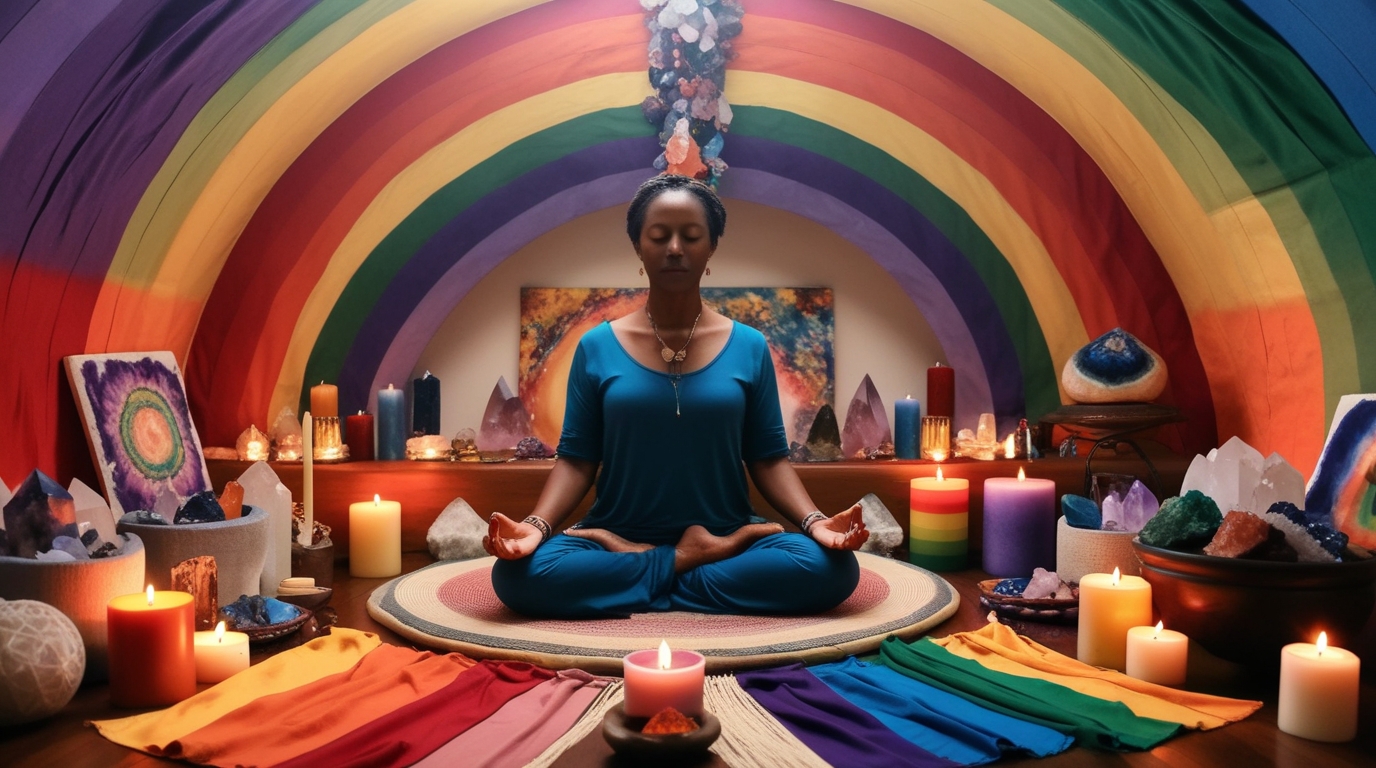
One effective method for harnessing rainbow energy is through visualization and meditation practices. Start by finding a quiet space where you can relax without interruption. Close your eyes and take a few deep breaths to center yourself. Imagine a vibrant rainbow arching across your mind’s eye. As you focus on each color, allow its unique energy to flow through your body. Start with red at the base of your spine, visualizing its grounding and energizing qualities. Gradually move through each hue, ending with violet at the crown of your head. This practice can help balance your chakras and promote a sense of overall well-being.
Another way to integrate rainbow wisdom into your life is by surrounding yourself with rainbow-colored objects. This involves wearing rainbow-hued clothing. It can also include decorating your living space with colorful accessories. You can even eat a diverse array of colorful foods. The presence of these vibrant hues in your environment can serve as a constant reminder of the rainbow’s symbolism. They also bring energy into your life. They influence your mood and spiritual state throughout the day.
Incorporating rainbow energy into your daily routine can also involve setting intentions aligned with each color’s spiritual significance. For example, when you meet the color red, you focus on cultivating passion and vitality in your life. Green prompts you to nurture your relationships and practice self-love. By assigning specific intentions to each color, you create a framework for personal growth. This framework is both structured and flexible.
Rainbow visualization can be a powerful tool for manifesting desires and amplifying intentions. When setting goals or making important decisions, take a moment. Imagine your desired outcome enveloped in a rainbow of light. This practice can help align your intentions with the harmonizing and transformative qualities linked to rainbow energy. It can potentially enhance your ability to manifest positive changes in your life.
For those who enjoy creative expression, working with rainbow imagery in art or journaling can be a profound activity. It provides a way to integrate its wisdom. Consider creating a series of paintings or drawings inspired by the colors of the rainbow. Explore the emotions and insights that arise as you work with each hue. Alternatively, you dedicate journal entries to reflecting on how each rainbow color manifests in your life. Note areas where you feel balanced. Also, note areas in need of attention.
Engaging in rainbow-themed rituals or ceremonies can also deepen your connection to this powerful symbolism. Create a personal rainbow altar. Gather objects that represent each color. Use it as a focal point for meditation or intention-setting. Alternatively, organize or join in rainbow gatherings with like-minded individuals. Celebrate diversity, unity, and spiritual connection through shared experiences and practices.
The practice of “becoming the rainbow” offers a powerful metaphor for personal transformation and spiritual growth. This concept encourages individuals to embody the full spectrum of human experience and emotion. It is much like the rainbow encompasses all colors. By embracing both light and shadow aspects of ourselves, we can work towards greater wholeness. This will lead to authenticity in our spiritual journey.
As you integrate rainbow wisdom into your life, remember that the process is deeply personal and can evolve over time. What resonates with you today shift as you grow and change. Be open to exploring different practices and interpretations. Allow your intuition to guide you towards the techniques that feel most meaningful and effective for your unique spiritual path.
19. The Rainbow as a Mirror of Consciousness

As your spiritual journey unfolds, consider this: What if rainbows are more than mere meteorological phenomena? These celestial arches serve as cosmic mirrors, reflecting not just light, but the very essence of human consciousness. Each vibrant hue corresponds to a distinct level of spiritual awareness? This concept of rainbows as reflections of consciousness offers a fascinating perspective. It highlights the interplay between natural phenomena and our inner spiritual landscape.
Rainbows might mirror different states of consciousness. This idea aligns with many ancient spiritual traditions. These traditions attribute profound meaning to these colorful displays. Each hue in the rainbow spectrum potentially corresponds to a specific aspect of spiritual awareness. It creates a visual representation of the soul’s journey towards enlightenment. This interpretation invites us to view rainbows not just as external phenomena. It encourages us to see them as powerful tools for introspection. They can also be used for spiritual growth.
Beginning with the grounding energy of red, we can trace a path through the rainbow. This path mirrors the ascension of consciousness. Red is linked with the root chakra in many traditions. It shows our connection to the physical world. It also symbolizes our most basic survival instincts. As we move through the spectrum, each color potentially unlocks a new level of awareness and understanding. Orange symbolizes emotional balance and creativity, while yellow signifies intellectual clarity and personal power.
At the heart of the rainbow, green often signifies healing and love. It mirrors the expansion of consciousness beyond personal concerns. This expansion encompasses compassion for all beings. Blue, the color of vast skies and deep oceans, shows the expansion of communication and self-expression. This comes with higher levels of spiritual awareness. As we approach the higher frequencies of the spectrum, indigo symbolizes intuition and inner wisdom. Violet often stands for the pinnacle of spiritual connection and enlightenment.
The concept of ‘becoming the rainbow’ offers a powerful metaphor for the journey of spiritual enlightenment. This idea suggests that individuals can embody the qualities represented by each color of the rainbow. They integrate these aspects into their being as they progress on their spiritual path. By aligning ourselves with the full spectrum of rainbow energies, we open ourselves to a more comprehensive spiritual experience. This can lead to a balanced spiritual life.
This process of ‘becoming the rainbow’ is not about achieving a final, static state of enlightenment. Instead, it encourages a dynamic and ongoing process of growth and integration. Just as a rainbow’s appearance is fleeting and dependent on specific conditions, our spiritual awareness fluctuate and evolve. The goal is not to permanently live in the ‘violet’ state of consciousness. Instead, it is to develop the ability to access and integrate all levels of awareness as needed.
The colors within a rainbow are believed to create a harmonious balance of energies. They promote healing and spiritual enlightenment for those open to receiving its messages. This concept aligns with many holistic approaches to wellness. These approaches emphasize the importance of balance and integration in achieving optimal health and spiritual well-being. We allow a more harmonious flow of energy through our being. We can achieve this by meditating on the rainbow spectrum. Another way is by incorporating its colors into our spiritual practices.
Viewing rainbows as mirrors of consciousness also invites us to consider the interconnectedness of all things. Just as the colors of the rainbow blend seamlessly into one another, different states of consciousness are not separate. They exist on a continuum. This perspective encourages a more fluid and inclusive approach to spiritual growth. It recognizes that all aspects of our being – from the most physical to the most ethereal – are important. They all play roles in our overall spiritual development.
The idea that rainbows show states of consciousness challenges us to look beyond their physical beauty. It encourages us to consider their deeper spiritual significance. Each rainbow sighting becomes an opportunity for introspection and alignment. It is a chance to check in with our current state of being. We can also aspire to higher levels of awareness. This approach changes the experience of seeing a rainbow. It shifts from a passive appreciation of natural beauty. It becomes an active engagement with our own spiritual evolution.
20. Embracing the Rainbow’s Message

We conclude our journey through the spiritual landscape of rainbows. We find ourselves enriched with a tapestry of wisdom. This wisdom spans cultures and traditions. The rainbow emerges as a universal symbol of hope, transformation, and divine connection, bridging the earthly and celestial realms. From ancient mythologies to modern spiritual practices, these celestial arcs consistently inspire awe and reflection.
The enduring power of rainbows lies in their ability to evoke profound responses across diverse belief systems. Rainbows be viewed as a covenant from a higher power. They can also be seen as a bridge to other realms or a reflection of our inner consciousness. Rainbows invite us to pause and contemplate our place in the cosmos. As you witness future rainbows, consider the layers of meaning they hold and the spiritual insights they offer.
In the grand theater of nature, rainbows stand as testament to the transformative power of natural phenomena. These phenomena nurture our spiritual growth.
Thanks for reading. Really hope you enjoyed this post.
If you have learned something new about rainbows, be sure to drop a like. Also, share your experiences and leave a comment for the spiritual community! Most importantly, for the algorithm to reach more like-minded people, be sure to subscribe.
Until next time! copish!
Actions to consider:
1. Consider integrating rainbow visualization and meditation practices into your spiritual routine to harness the transformative power of rainbow energy.
2. Surround yourself with rainbow-colored objects to serve as constant reminders of the rainbow’s symbolism, energy, and transformative potential.
3. Consider personal rainbow experiences and consider how they have affected your spiritual journey, providing moments of clarity and inspiration.
4. Embrace the concept of rainbows as mirrors of consciousness. Allow the symbolism of each color to guide your spiritual growth and self-reflection.
5. Explore the idea of “becoming the rainbow” as a metaphor for personal transformation and spiritual enlightenment. Embrace the full spectrum of rainbow energies to promote balance and integration in your spiritual life.