

Introduction:
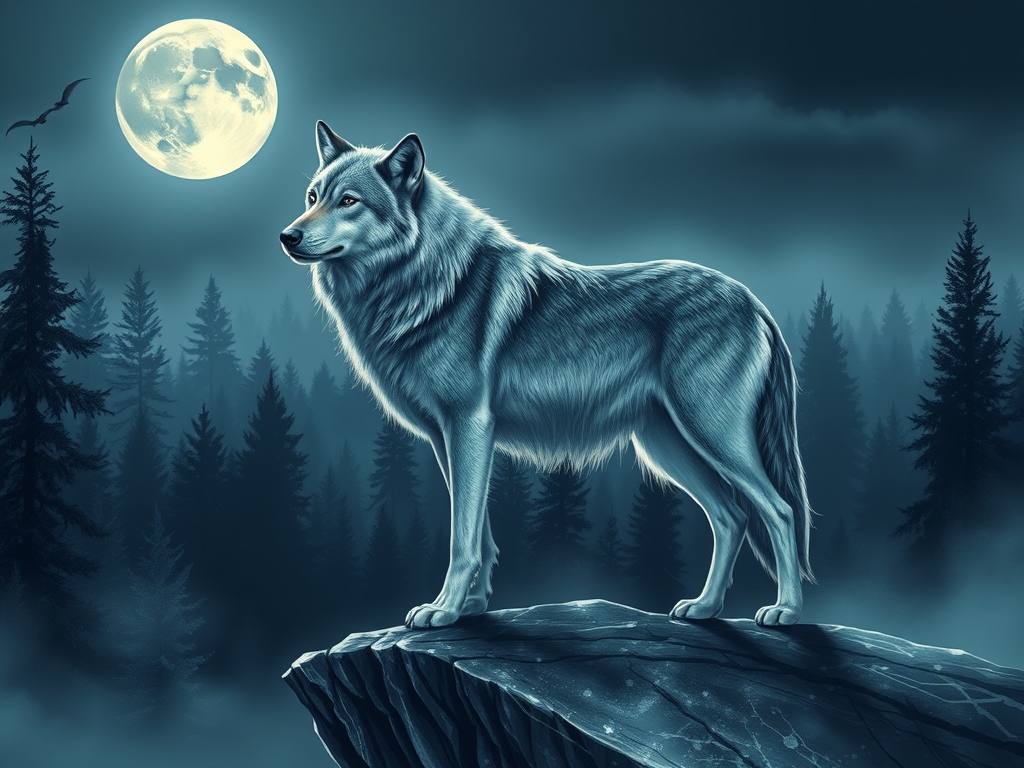
Wolves have roamed the earth for centuries as symbols of wild beauty and profound spiritual wisdom. Revered by various cultures and traditions, these majestic creatures inspire us to explore themes of guardianship, intuition, and the delicate balance between community and independence. Whether through Native American totems, Norse mythology, or modern spiritual interpretations, wolves challenge us to reconnect with our instincts and discover our place in the larger tapestry of life. Let us delve into their enduring significance and uncover the lessons they offer for our own spiritual journeys.
Table of Contents
1. The Wolf as a Spiritual Guardian

Wolves are often viewed as protectors of the wild, embodying loyalty, strength, and unity. In nature, the wolf pack operates with a clear structure, where every member contributes to the group’s survival. This dynamic reflects the spiritual notion of collective responsibility and guardianship.
For humans, wolves remind us to safeguard our values, protect those we love, and act as stewards of our communities. Their fierce loyalty is a call to embody integrity in our relationships and commitments. When we think of the wolf as a guardian, we are inspired to stand firm, knowing that we have the strength to shield ourselves and others from harm.
2. Intuition and Instinct: Lessons from the Wolf
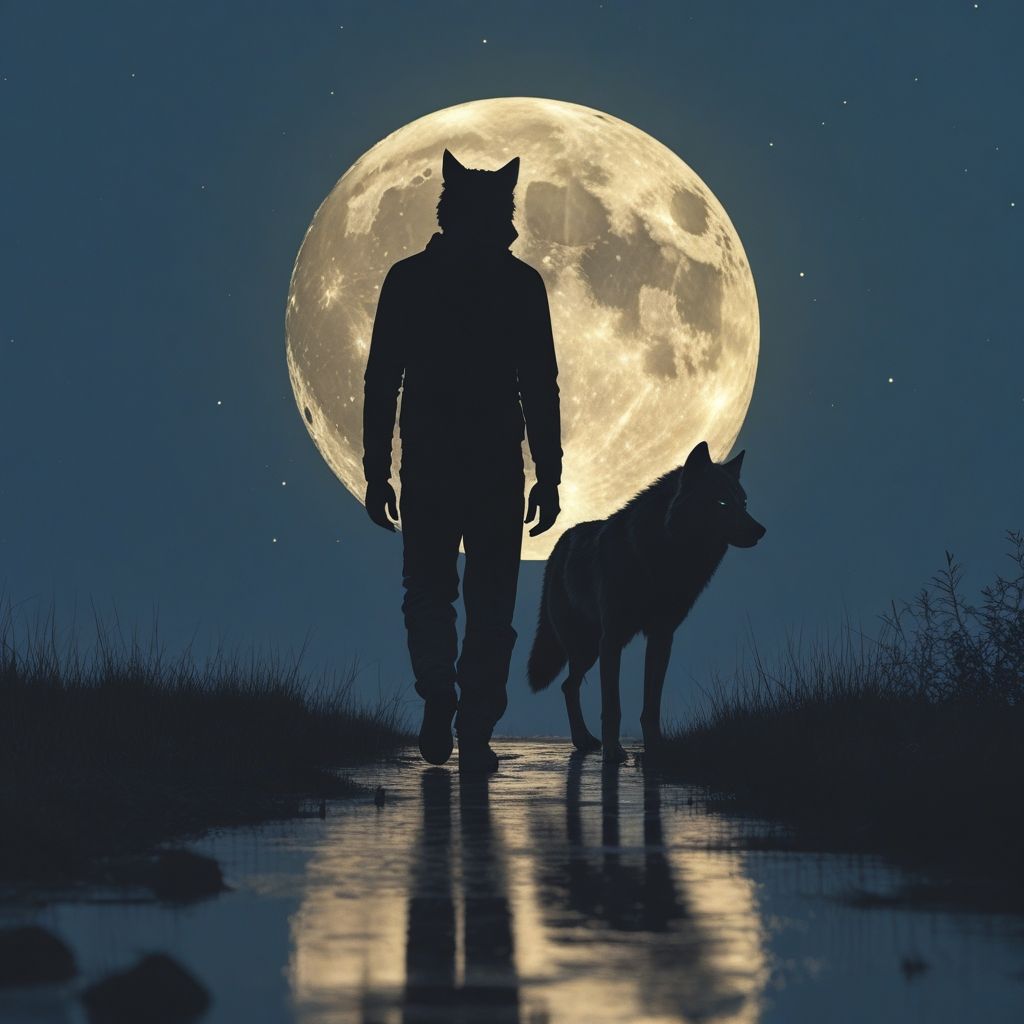
Wolves are celebrated for their sharp instincts and heightened senses. They symbolise the ability to trust one’s intuition, even when the path ahead is uncertain. The wolf teaches us to listen to the inner voice that guides us through life’s complexities.
In spiritual practices, intuition is often associated with the unseen realms—what we cannot see but can sense. The wolf’s ability to navigate vast terrains mirrors our potential to traverse the landscapes of our inner world, trusting our instincts as a compass.
A key lesson here is to embrace our gut feelings, for they often provide insights that logic may miss. Just as a wolf pauses to assess its surroundings, we too must learn to listen deeply before making life’s pivotal decisions.
3. Wolves in Native American Traditions

For many Native American tribes, wolves are sacred creatures revered for their spiritual strength and wisdom. Tribes such as the Pawnee and Shoshone regard the wolf as a guide that teaches survival, cooperation, and harmony with nature. Wolves are seen as totems of courage and teachers of the importance of living in unity with one’s environment.
One of the most profound teachings of the wolf in Native traditions is its reminder to stay connected to our ‘pack’—our family, friends, and community. Yet, this connection does not diminish the wolf’s individual spirit. Instead, it highlights the importance of balancing personal identity with collective harmony.
By honouring the wolf spirit, we are reminded to respect the cycles of life and to approach every experience as an opportunity for learning and growth.
4. Norse Mythology: Wolves of Chaos and Transformation
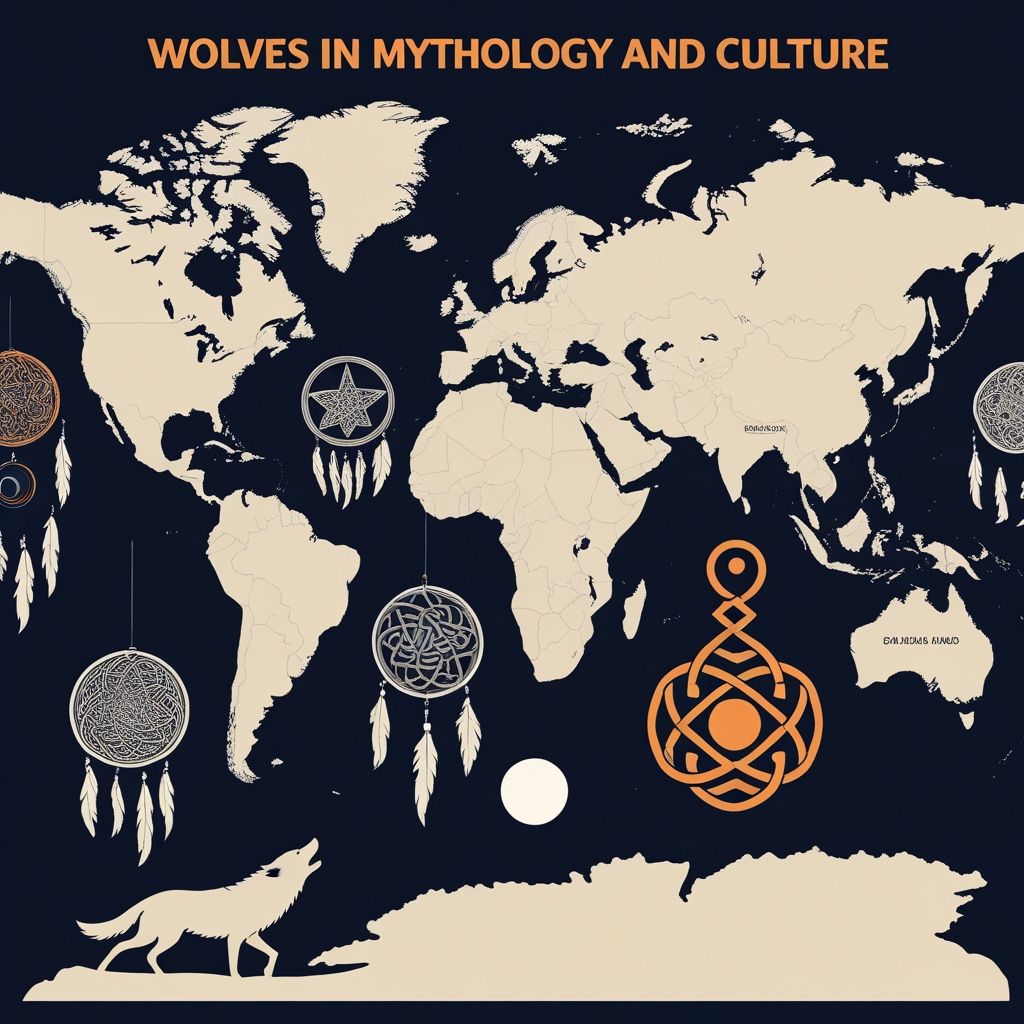
In Norse mythology, wolves often embody duality, representing both chaos and profound transformation. Two of the most famous wolves, Sköll and Hati, pursue the sun and moon across the sky, signifying the endless cycle of time and the inevitability of change.
Fenrir, another legendary wolf, represents immense power and the breaking of constraints. Though feared for his destructive potential, Fenrir also symbolises the breaking of chains—both literal and metaphorical. In this way, wolves in Norse mythology challenge us to confront fears, embrace transformation, and find renewal through chaos.
These myths remind us that transformation often comes through facing life’s darkest moments with courage. By understanding and embracing the wolf’s role in Norse stories, we can uncover new perspectives on our own challenges and growth.
5. The Lone Wolf: Embracing Solitude and Self-Discovery
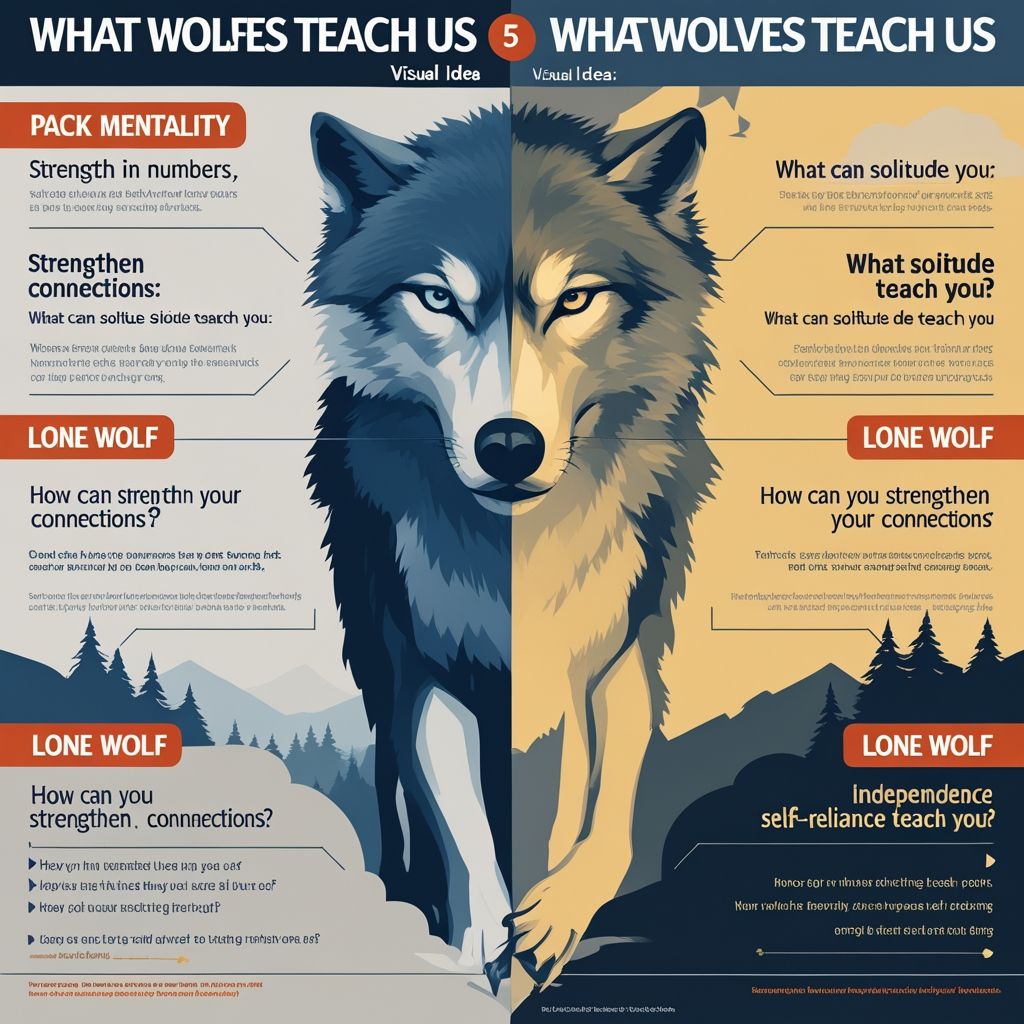
While wolves thrive in packs, the concept of the lone wolf has captured the human imagination for its lessons in independence and self-reliance. The lone wolf chooses solitude not out of weakness but as a journey of self-discovery and personal strength.
In spiritual terms, the lone wolf represents the hero’s journey—a path where we momentarily step away from the crowd to rediscover our authentic selves. It teaches us that solitude is not loneliness but a sacred space to reconnect with our inner truth.
This archetype encourages us to embrace periods of isolation, knowing that the lessons learned in solitude will enrich our relationships and purpose when we return to the ‘pack.’
6. Symbolic Wolves in Literature and Art

Throughout history, wolves have been portrayed in literature and art as symbols of strength, danger, and mystery. From Aesop’s fables to modern works like The Call of the Wild, wolves represent our deep connection to the wild within us.
In art, wolves often appear under moonlit skies, evoking themes of freedom, instinct, and the allure of the untamed. Their imagery serves as a reminder that embracing the wild aspects of our nature can lead to profound personal insights.
7. The Call of the Wild: Wolves and Nature Connection
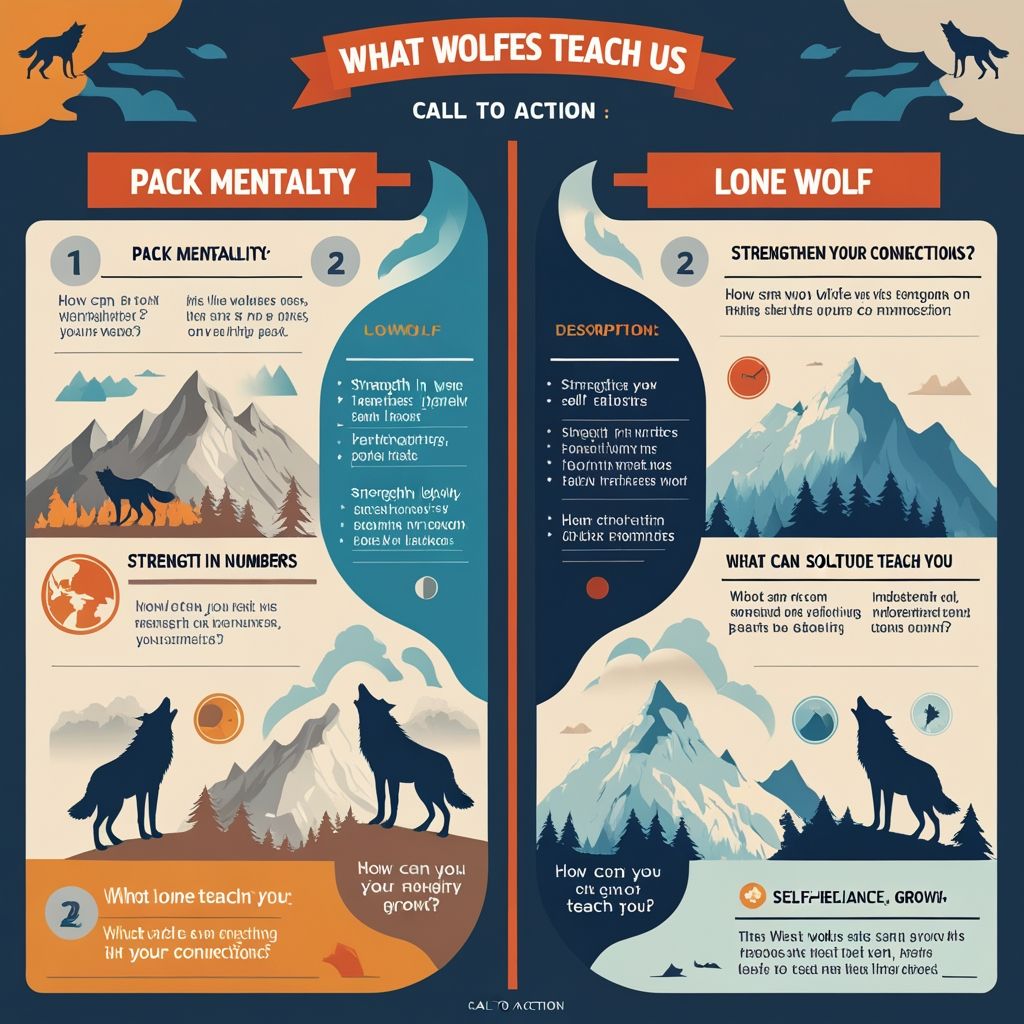
Wolves serve as powerful symbols of the wild, reminding us to reconnect with nature and honour the earth. Their howls echo through forests, a haunting yet beautiful call that awakens our primal instincts.
By observing wolves in their natural habitats, we can learn the importance of living in harmony with the earth. Wolves are apex predators, essential to the balance of their ecosystems. Similarly, we must find balance in our relationship with the planet, taking only what we need and giving back where we can.
8. How to Connect with Wolf Energy in Daily Life
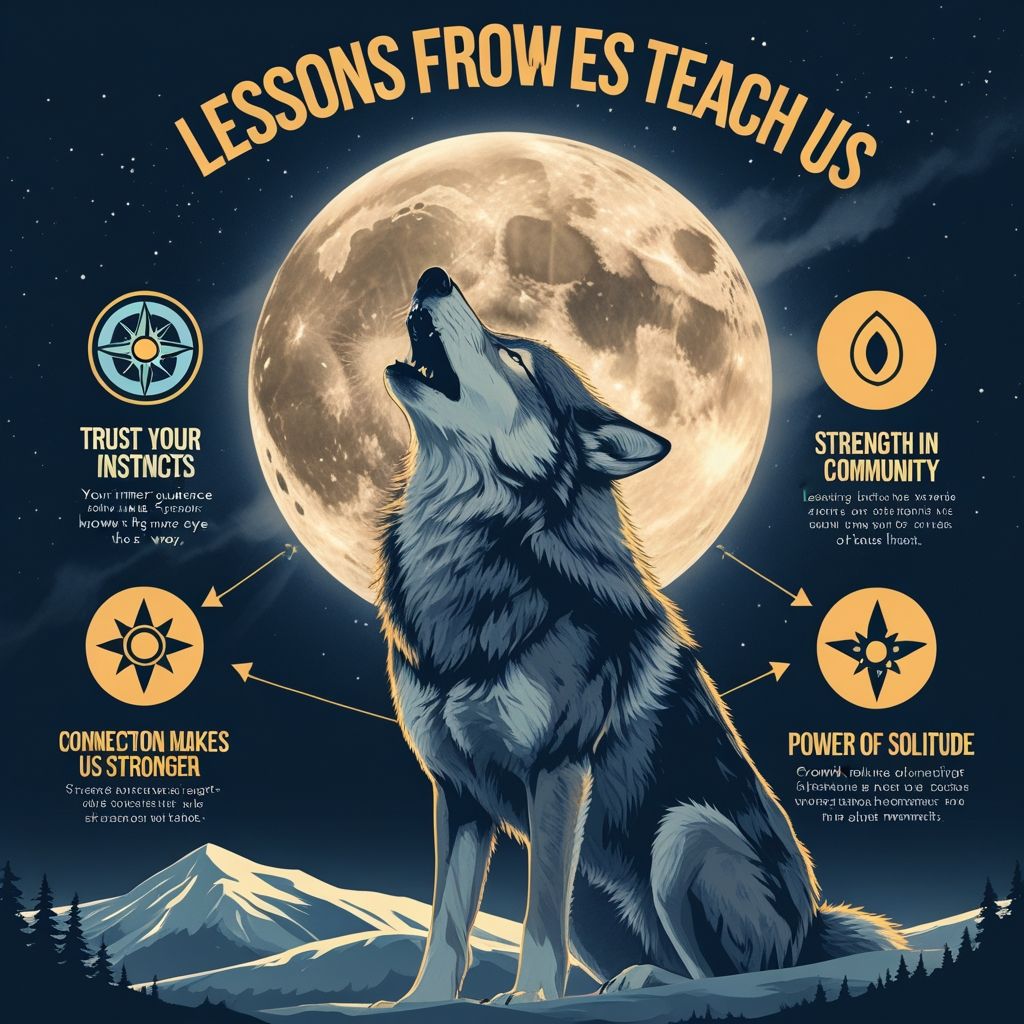
To embrace wolf energy in your spiritual practice, consider the following steps:
- Meditate on the Wolf: Visualise a wolf guiding you through a dense forest. Focus on its qualities of strength, intuition, and courage.
- Spend Time in Nature: Take a walk in a forest or wilderness area to connect with the wolf’s natural environment.
- Use Wolf Symbols: Incorporate wolf imagery, such as statues or artwork, into your sacred space.
- Work with Moon Energy: Since wolves are closely associated with the moon, set intentions during full moons to enhance intuition and clarity.
9. Wolves as Spirit Animals and Guides
For those who feel a deep resonance with wolves, these creatures may be your spirit animal or guide. When the wolf appears in your life, it often signals a need to trust your instincts and step into your power.
Spirit wolves may appear in dreams or meditative visions, guiding you to reclaim your voice, protect your boundaries, and navigate challenges with wisdom. They remind us that we are never truly alone, even when walking through life’s darkest forests.
10. Finding Balance Between Community and Independence

Ultimately, the spiritual significance of wolves lies in their ability to balance two essential aspects of life: community and independence. Wolves thrive because of their pack, yet they remain fiercely individual. They teach us to nurture our relationships without losing sight of our own unique identity.
By embodying the wolf’s wisdom, we can find harmony between being a part of the collective and honouring our personal truth.
Conclusion:

Wolves are more than wild animals; they are profound spiritual symbols that inspire us to connect with our intuition, embrace transformation, and walk boldly through life’s challenges. Whether as guardians, guides, or lone travellers, wolves teach us the importance of balance and the power of instinct.
Reflect on the lessons of the wolf and consider how their qualities might guide you in your own spiritual journey. Let their howls remind you of your strength, your voice, and your connection to the greater whole.