
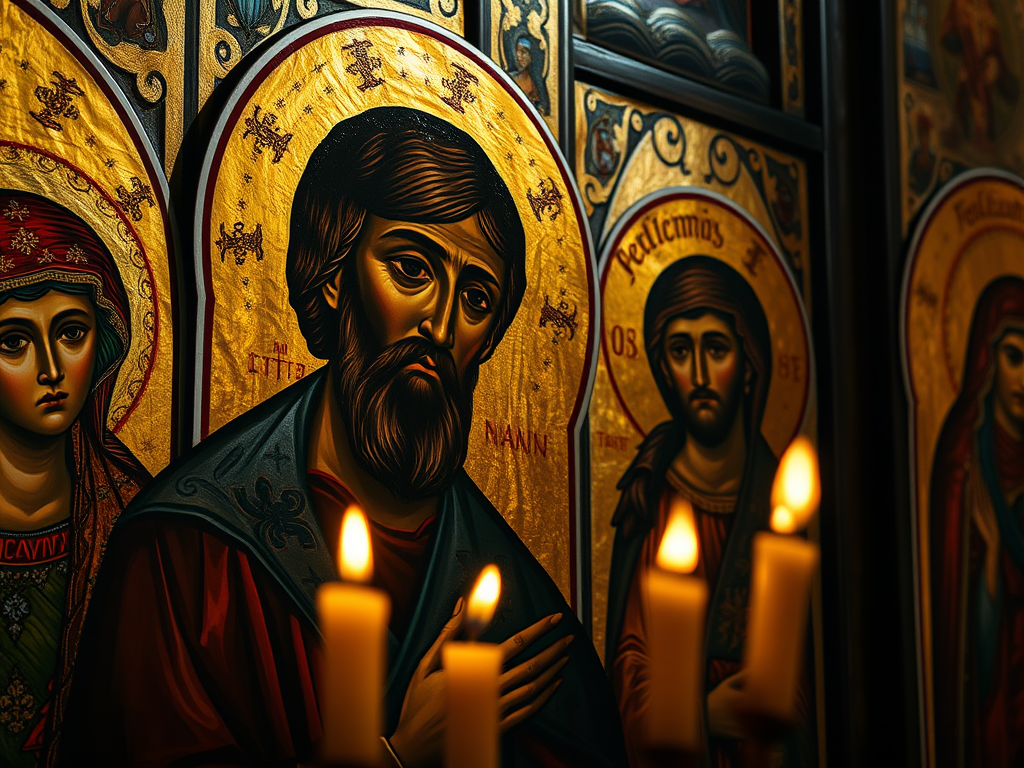
Exploring the Layers: The Intricacies of Representation in Russian Icons
THE TRUTH SHALL SET YOU FREE FINALLY I DON’T LOOK MAD ANYMORE!
Introduction
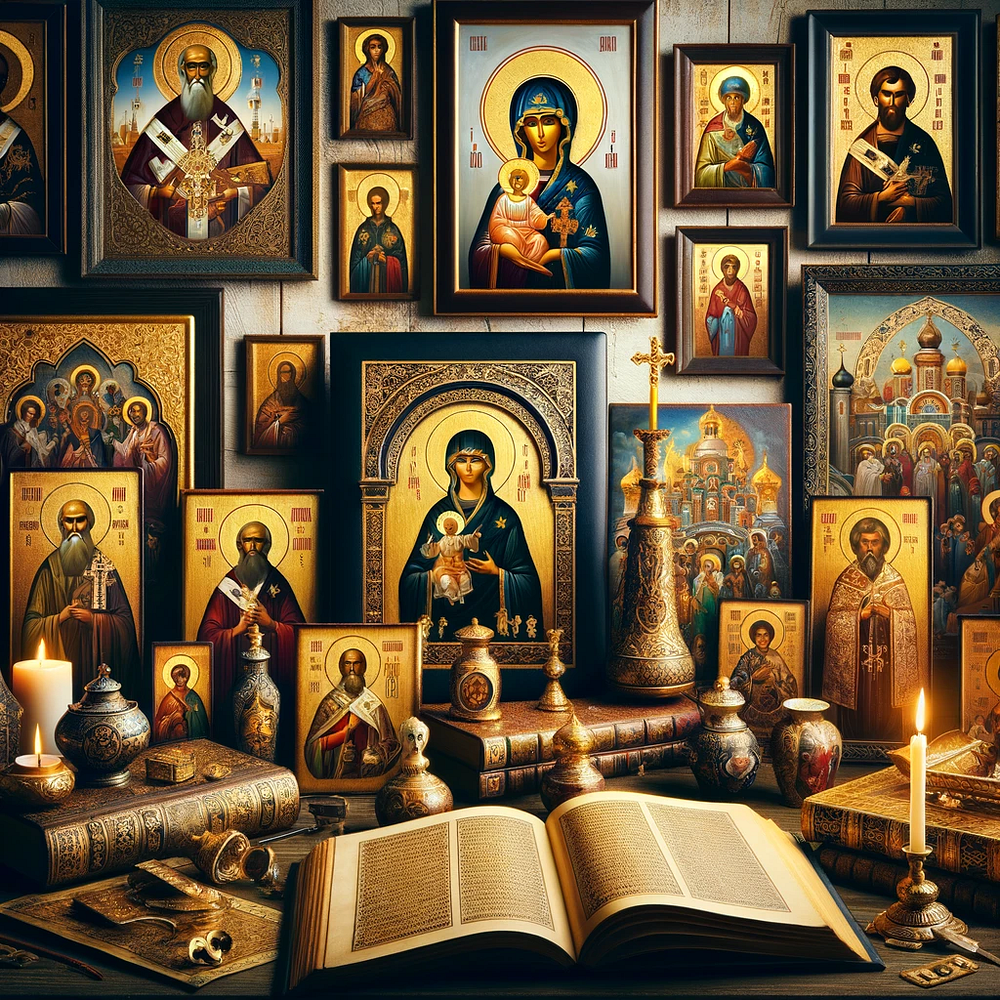
Russian icons are revered in Orthodox Christianity. They are not just religious artifacts. They serve as a window into the spiritual and cultural fabric of Russia. These meticulously crafted paintings are often adorned in churches and homes. They transcend their artistic value. They embody centuries of faith, tradition, and history. A statement attributed to President Vladimir Putin has recently sparked intrigue and debate. He reportedly revealed that all Russian icons depict black people. This claim, if true, invites us to explore the nuances of iconography. It challenges our perceptions and understanding of these sacred images.
As we embark on this exploration, it’s crucial to approach the topic with sensitivity and discernment. The claim about the depiction of black people in Russian icons is provocative. It requires careful examination against the backdrop of historical facts. Artistic interpretation is also important. This article aims to shed light on the intricate layers of meaning in Russian icons. It examines their historical context. These insights affect our understanding of Russian cultural heritage.
In navigating this complex terrain, we invite readers to join us on a journey. This journey transcends mere artistic appreciation. It ventures into the realms of history, spirituality, and cultural identity. Through this exploration, we aim to understand the significance of Russian icons. We also appreciate the broader conversations they inspire about art, history, and the diverse tapestry of human civilization.
Historical Context and Significance of Russian Icons

Russian icons stand as a testament to the deep intertwining of spirituality and artistry. They are rooted in the rich soil of Orthodox Christianity. The tradition of iconography in Russia is not merely a chapter in the annals of art history. It is a continuous dialogue between the divine and the devout. This dialogue has shaped the spiritual landscape of Russia for centuries.
The Dawn of Iconography in Russia
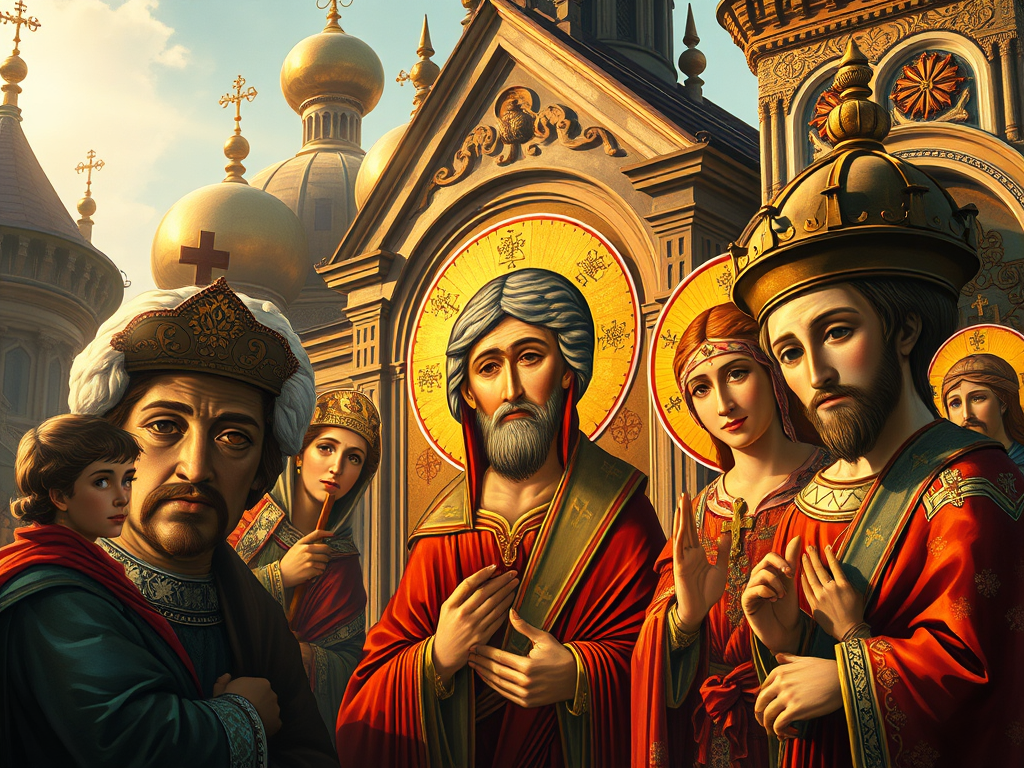
The genesis of Russian iconography began with the Christianization of Kievan Rus. This occurred in the late 10th century. This was a pivotal moment that marked the beginning of a profound transformation in Russian spiritual and cultural life. The Byzantine Empire was influential in this early period. Its refined artistic and theological traditions played a crucial role. These traditions affected the style and symbolism of Russian religious art. Icons were more than mere representations. People saw them as windows to the divine. They believed icons possessed the ability to connect the earthly with the heavenly.
Icons in the Heart of Russian Life
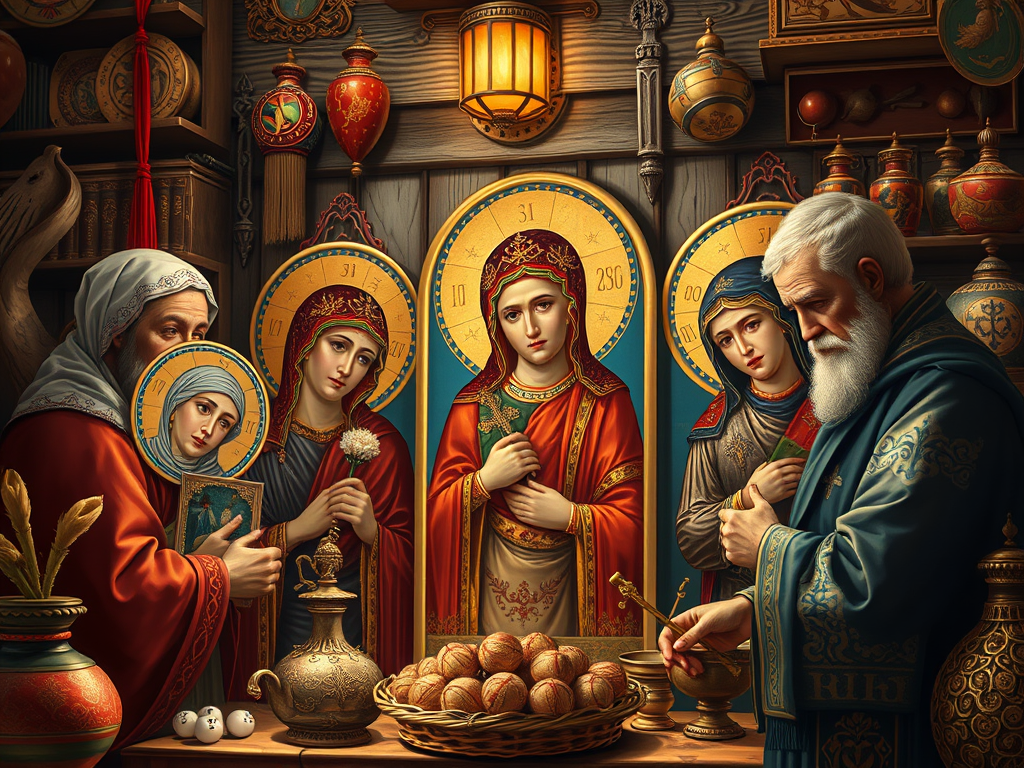
Over the centuries, icons became deeply embedded in the fabric of Russian society. Icons were not confined to the sacred spaces of churches. They graced the walls of homes. Icons served as constant reminders of the presence and protection of the divine. The veneration of icons became a central part of Russian Orthodox practice. Certain icons gained fame for their believed miraculous powers. These icons became the focus of pilgrimages and devotion.
Artistic Evolution and Styles
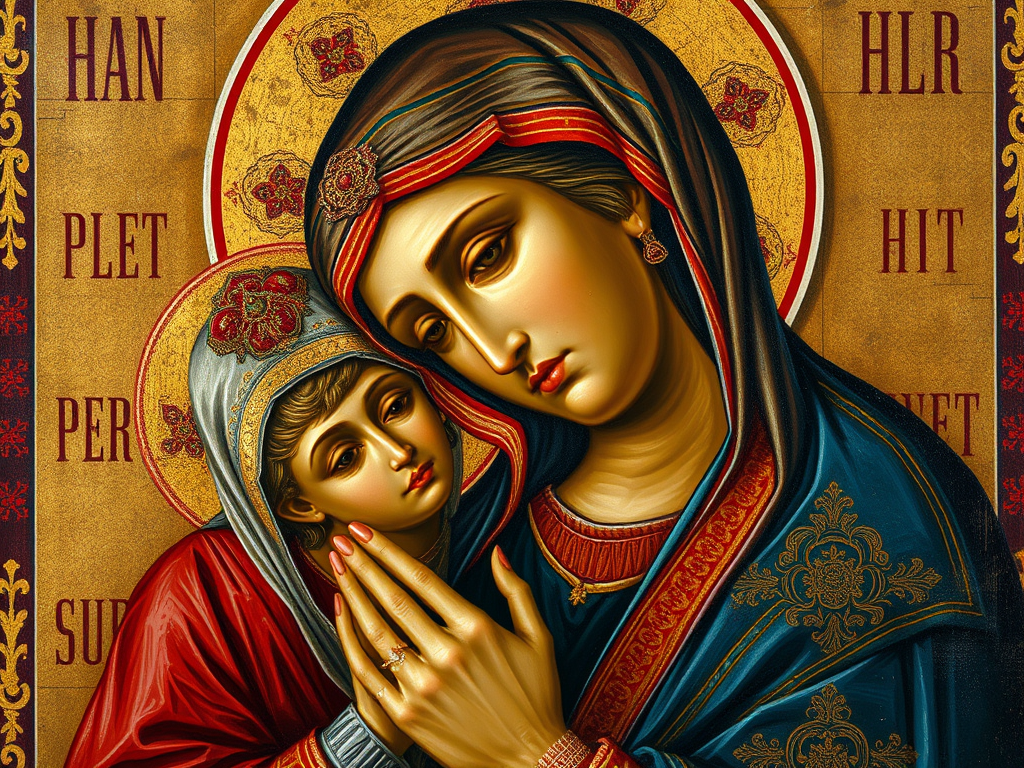
The art of iconography in Russia evolved through various periods. Each
period left its distinct mark on the style and thematic focus of the icons. The Novgorod and Moscow schools, for example, had distinctive approaches to composition. They were also known for their unique use of color. These characteristics reflected broader cultural and political shifts. Despite these changes, traditional iconography maintained continuity in canonical forms. This consistency is a testament to the deep reverence for tradition within the Orthodox faith.
Over the centuries, Russian icons have served as more than mere objects of veneration. They have carried history, culture, and deep spiritual meaning. Their significance transcends the boundaries of the Orthodox Church, offering insights into the soul of Russia itself.
The Representation in Icons: Colors, Figures, and Symbolism
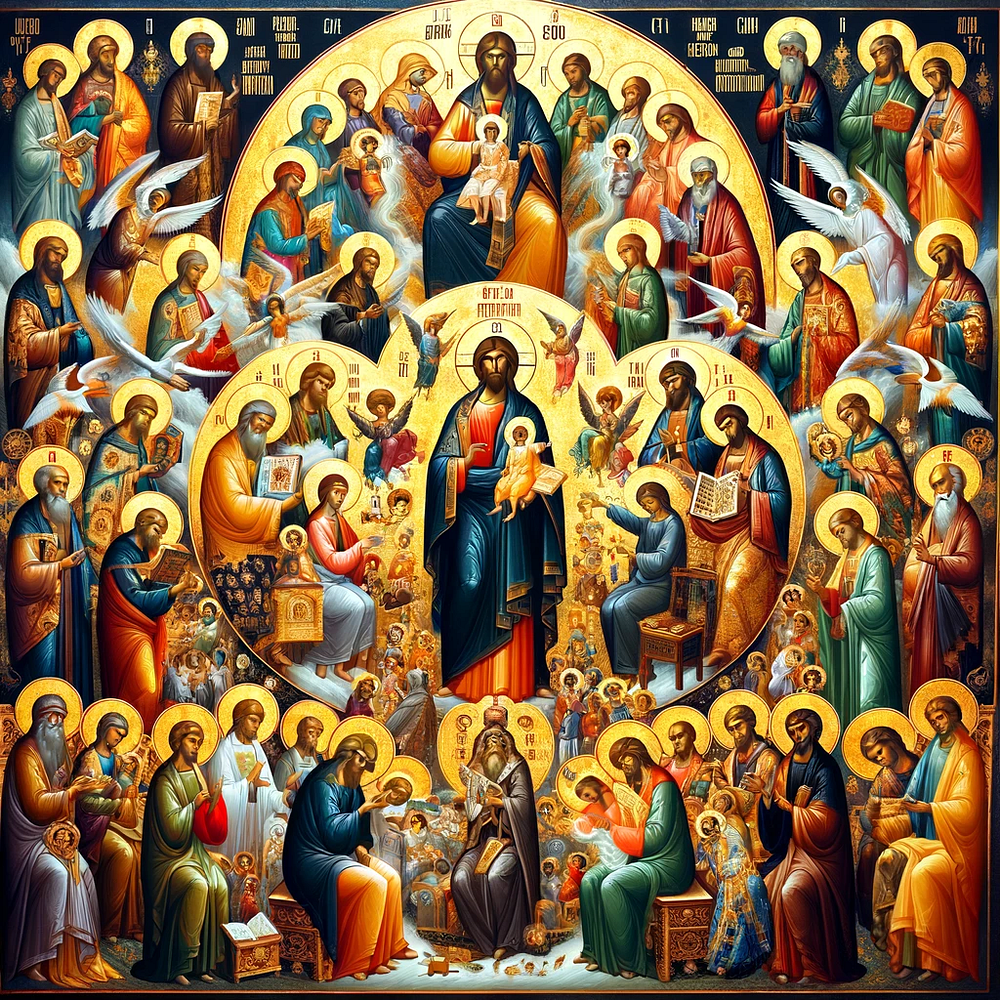
The ethereal beauty of Russian icons is not just in their aesthetic appeal. It is also in the profound symbolism embedded within every hue, figure, and gesture. The intricate language of icons is a code, deciphered through centuries of tradition, revealing deep spiritual truths and theological concepts.
Symbolism of Colors
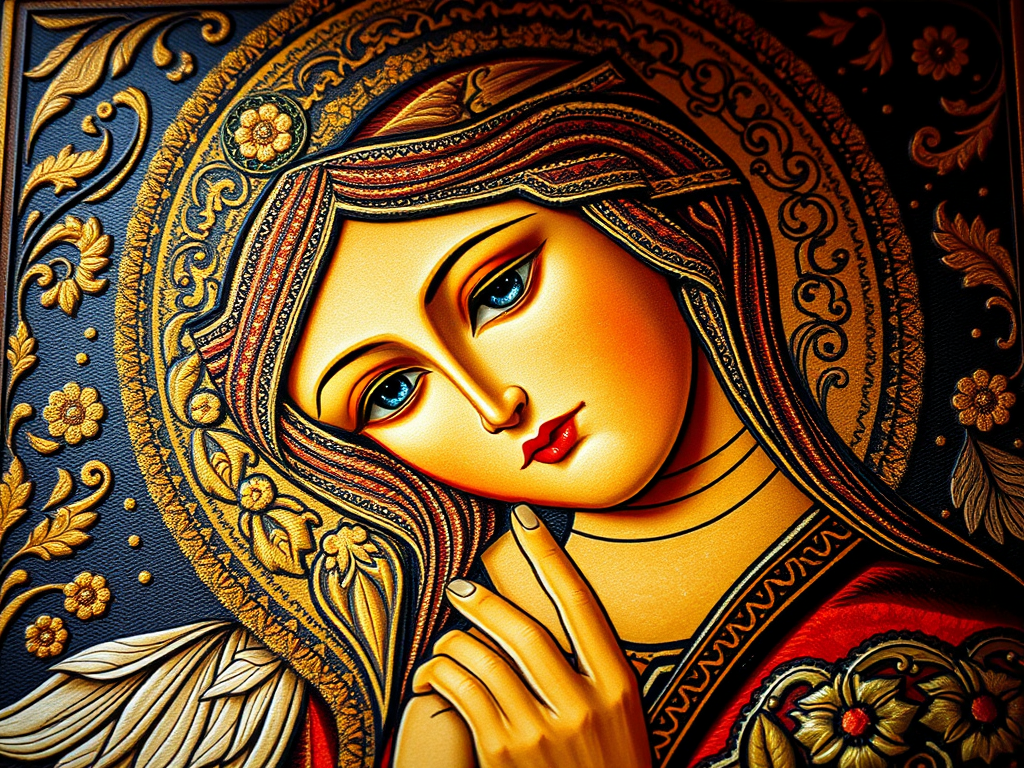
In the realm of iconography, colors speak volumes. Gold, often used to depict halos and heavenly realms, signifies divine light and the uncreated energies of God. The use of dark hues often holds symbolic meanings. Modern contexts mistakenly interpret these hues. The deep indigo shows the mystery of the divine. The black robes of monastic life symbolize humility and renunciation.
The Diversity of Saints and Figures
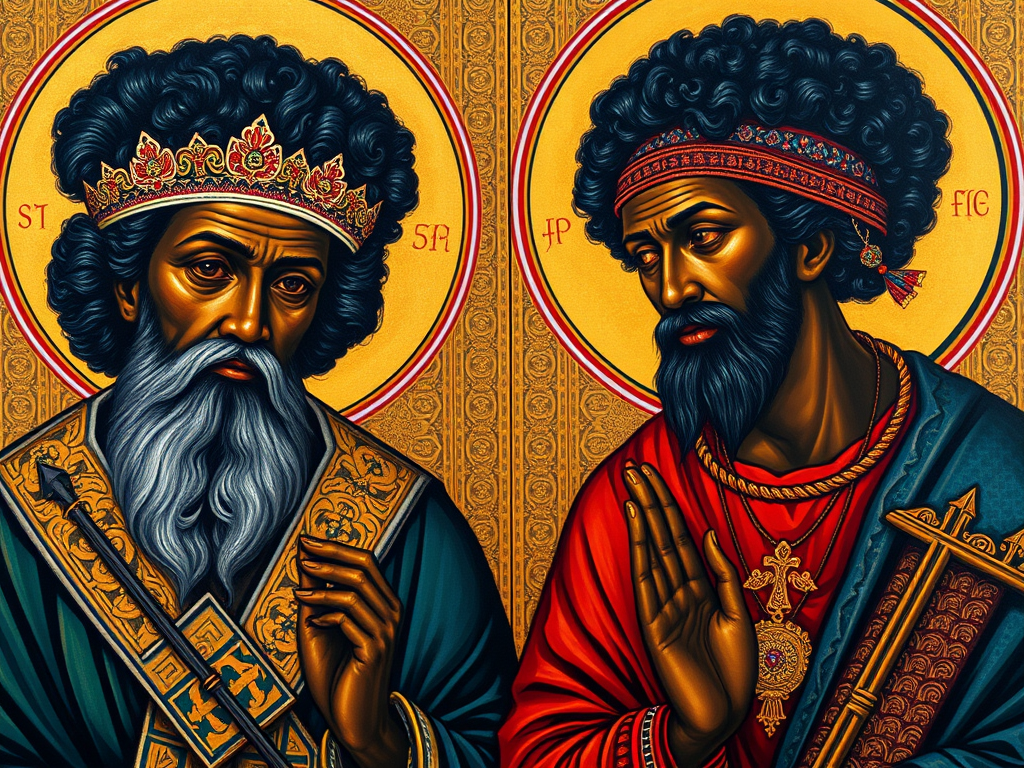
Russian icons are populated by a diverse assembly of saints, martyrs, and biblical figures. Each has unique attributes and stories. The portrayal of these figures follows strict canonical guidelines, ensuring their immediate recognition and the conveyance of their spiritual significance. The depiction of saints from different ethnic backgrounds includes those with darker skin tones. This reflects the universality of the Christian message. It also highlights the diverse heritage of the Christian world.
The Depth of Symbolic
Representation
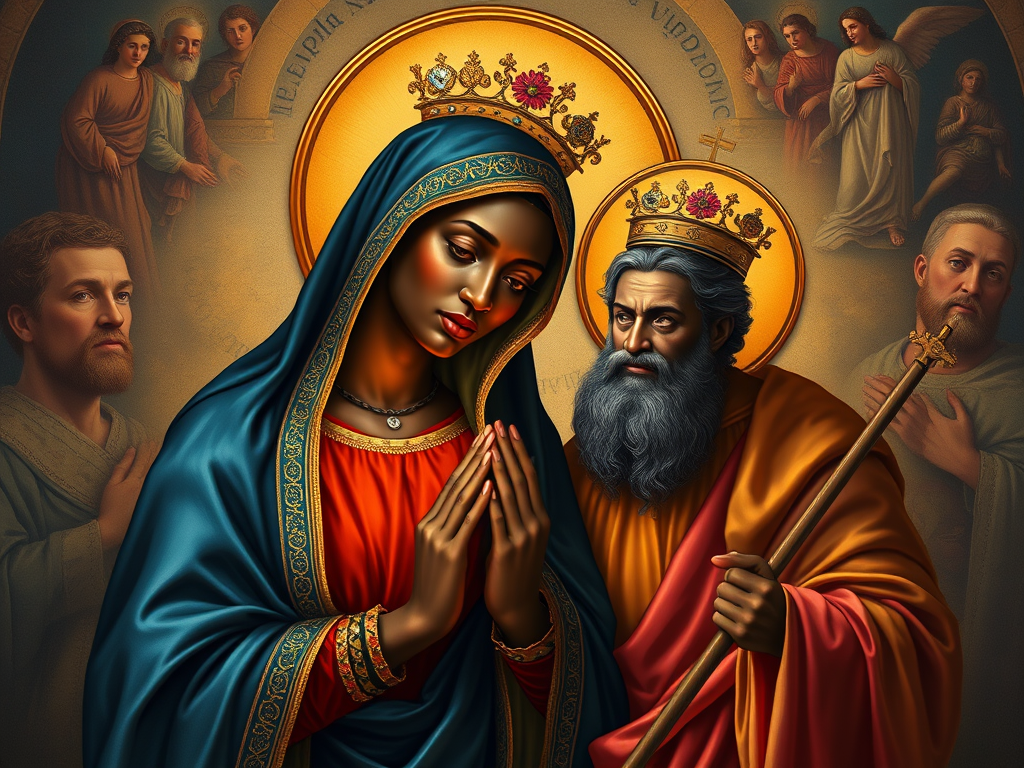
Every element in an icon, from the positioning of figures to the architectural details, carries layers of meaning. For example, the Deesis tier, a common composition in iconostases, shows Christ flanked by the Virgin Mary and St. John the Baptist, symbolizing intercession for humanity. The intricate background scenes often narrate biblical stories. They depict the lives of saints. These scenes serve as visual theology that educates and inspires the faithful.
The representation in Russian icons is a confluence of art, theology, and history. It offers a window into the transcendent and the eternal. These sacred images invite the viewer to a contemplative engagement, revealing the spiritual dimensions that underpin the Orthodox Christian faith.
The Statement and Its Implications
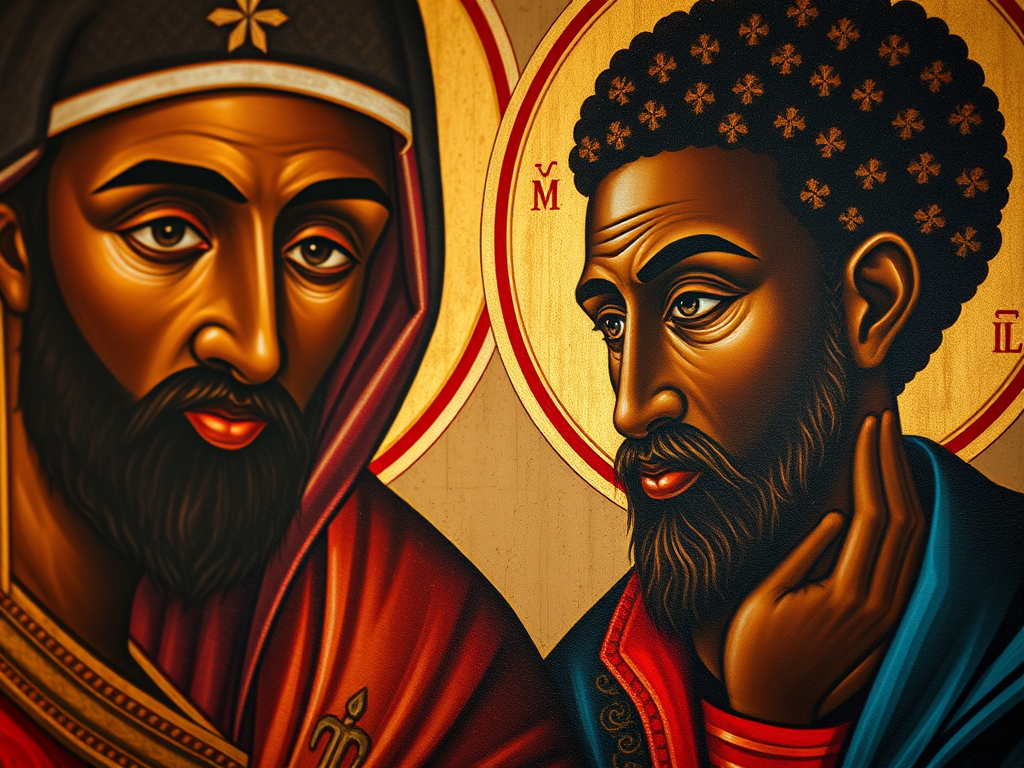
A statement attributed to President Vladimir Putin has brought Russian icons into the spotlight. It suggests that all such icons depict black people. This assertion, while striking, prompts a deeper exploration of historical accuracy and cultural interpretation.
Examining the Historical Context
The claim, on its face, invites scrutiny. It stands against the vast tapestry of Russian iconography. This iconography is known for its rich diversity in representation. Historical evidence and scholarly research reveal a spectrum of figures in Russian icons. These figures show a variety of backgrounds and ethnicities. This is consistent with the Christian message of universality. It is essential to distinguish between symbolic use of colors in iconography and literal representation of ethnicities.
Possible Interpretations and Reactions
Putin’s statement, regardless of its accuracy, has the potential to stir discussions on several fronts. Some view it as a try to highlight exclusivity and diversity within the Christian tradition. Others interpret it through geopolitical lenses. This reflects Russia’s complex relationship with race and identity. The reception of this statement varies widely, with interpretations influenced by cultural, religious, and political contexts.
Cultural and Historical Discourse Impact
These statements can significantly impact cultural and historical discourse. This is especially true when attributed to a figure of Putin’s stature. They may prompt reexaminations of historical narratives and artistic interpretations, fueling scholarly debate and public interest. This can foster a deeper engagement with cultural heritage. It encourages a more nuanced understanding of Russia’s past and its artistic expressions.
The implications of President Putin’s statement about Russian icons are far-reaching, touching on themes of history, culture, and identity. It underscores the importance of dialogue and scholarship in unraveling the complex tapestry of our shared heritage.
Reflections on Cultural Identity and Historical Interpretation
The discourse surrounding Russian icons is amplified by statements like President Putin’s. It invites us to think about the deeper layers of cultural identity. It also highlights the intricacies of interpreting historical artifacts.
The Role of Icons in Shaping Identity
Russian icons are more than mere religious artifacts. They are woven into the fabric of Russian cultural and spiritual identity. Their imagery, symbolism, and the stories they tell are integral to the collective memory and identity of the Russian people. This rich heritage prompts a reevaluation of how cultural symbols are interpreted and integrated into the national consciousness.
Navigating Historical Interpretations
The interpretation of historical and religious art is fraught with complexities. The evolving understanding of icons reflects the challenge of interpreting historical artifacts. It requires honoring their origins while remaining relevant to contemporary audiences. This necessitates a delicate balance between preserving historical integrity and embracing modern perspectives.
The Importance of Scholarly Dialogue
The conversation about the diversity of representations in Russian icons is important. Discussing the broader implications underscores the value of scholarly dialogue. Engaging with art historians, theologians, and cultural scholars can enrich our understanding of icons. This engagement provides deeper insights into their significance and the contexts in which they were created.
Beyond the Surface: A Call for Deeper Engagement
The discourse on Russian icons is influenced by provocative statements. This calls for a deeper engagement with our cultural and historical heritage. It invites us to look beyond the surface. We can explore the rich tapestry of meanings. We can also understand the shared human experiences they encapsulate.
In conclusion, the exploration of Russian icons and their representations provides a unique lens. Through it, we can view the interplay between art, history, and cultural identity. It challenges us to consider the multifaceted nature of cultural symbols. Thoughtful interpretation is important in understanding our shared past. It also helps in shaping our collective future.