
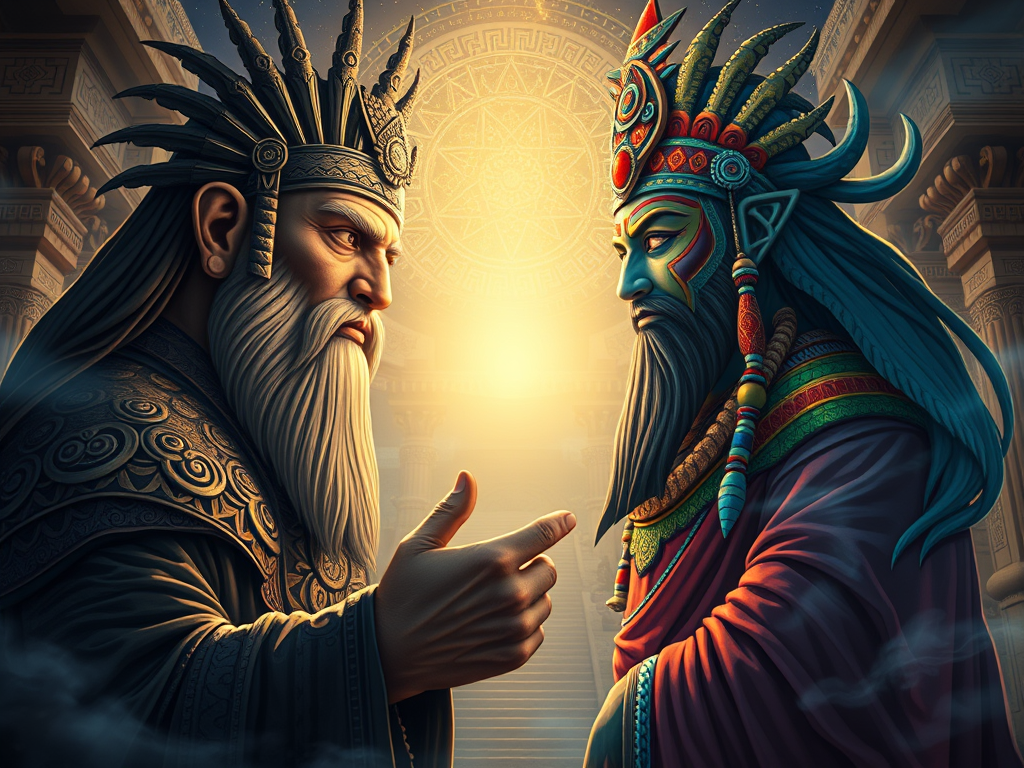

The ancient Sumerians left behind a rich tapestry of myths and legends. Few are as enigmatic and provocative as those surrounding the Anunnaki and their role in shaping humanity. The conflict between two powerful deities—Enlil and Enki—is central to these stories. Their opposing philosophies on humanity’s purpose continue to spark debates in both historical and spiritual circles.
But what can these ancient stories teach us about spirituality today? Let’s explore the truth of Enlil, the Anunnaki, and their connection to our deeper understanding of the divine and ourselves.
Subscribe to get access
Read more of this content when you subscribe today.
Who Were the Anunnaki?
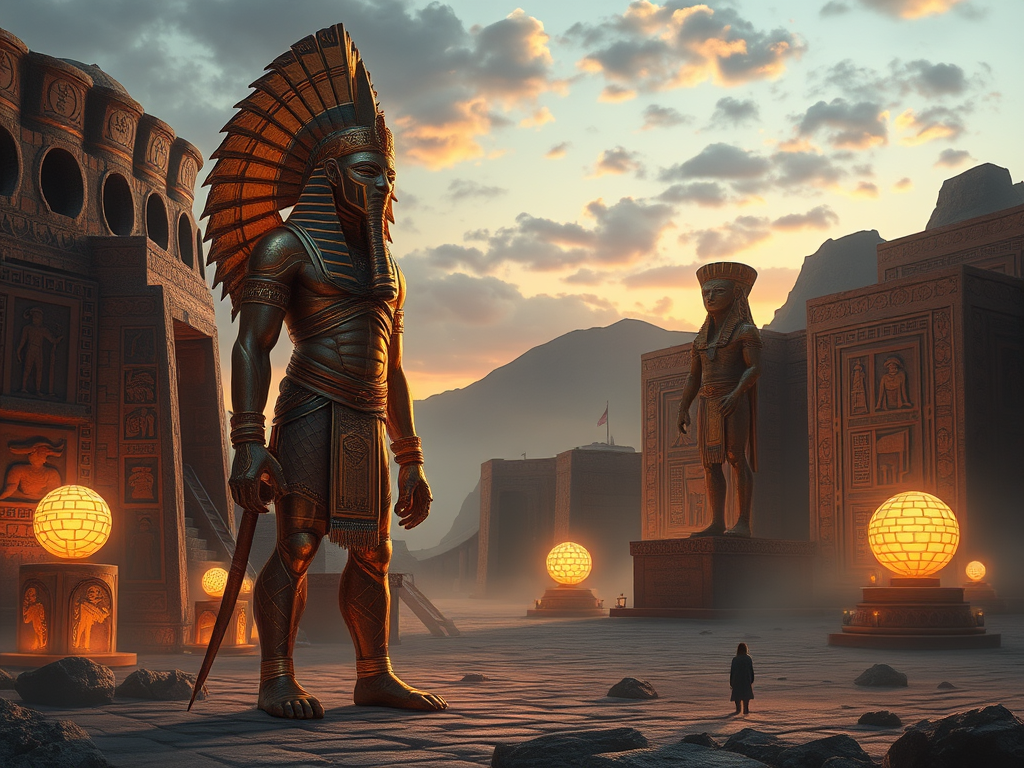
The Anunnaki, as described in Sumerian texts, were a pantheon of gods who descended to Earth with a mission. They aimed to exploit its resources, particularly gold. They believed gold was essential for preserving their home planet’s atmosphere. The name “Anunnaki” translates roughly to “those who came from the heavens,” linking them to celestial origins.
According to some interpretations, the Anunnaki saw Earth as a colony to be managed. They viewed humans as a means to an end. By genetically engineering early humans, they created the Lulus, a labor force designed to serve their needs.
Not all the Anunnaki agreed on how humans should be treated. This disagreement is where the dramatic divide between Enki and Enlil emerges.
Enlil: A Stern Ruler or a Tyrant?

Enlil, a central figure among the Anunnaki, is often portrayed as a stern authoritarian, concerned with maintaining control and order. In many myths, he appears distant, cold, and sometimes ruthless in his decisions.
It was Enlil who reportedly sought to limit humanity’s growth, fearing their potential for rebellion and chaos. He opposed human reproduction. Later, he orchestrated the Great Flood to wipe out humanity. These actions are often interpreted as acts of cruelty.
Yet, from another perspective, Enlil’s actions can be seen as a necessary attempt to preserve cosmic balance. Humanity’s unregulated expansion, in his eyes, threatened the stability of Earth’s ecosystem and the divine hierarchy. Was Enlil truly a tyrant, or was he fulfilling a greater cosmic duty?
Enki: The Compassionate Creator

In contrast, Enki—credited with humanity’s creation—emerges as a more compassionate and relatable figure. Known for his intelligence and ingenuity, Enki recognized humans as more than tools. He saw their potential for growth and connection to the divine.
Enki defied Enlil’s wishes multiple times. Most famously, he warned Ziusudra (or Noah) about the impending flood. This act ensured the survival of humanity. This act of rebellion underscores Enki’s belief in humanity’s worth and his commitment to fostering their survival and development.
Spiritually, Enki represents the archetype of the benevolent creator, one who empowers his creation rather than suppressing it. His actions resonate with the human desire for freedom, knowledge, and evolution.
The Spiritual Dimension of the Anunnaki Stories
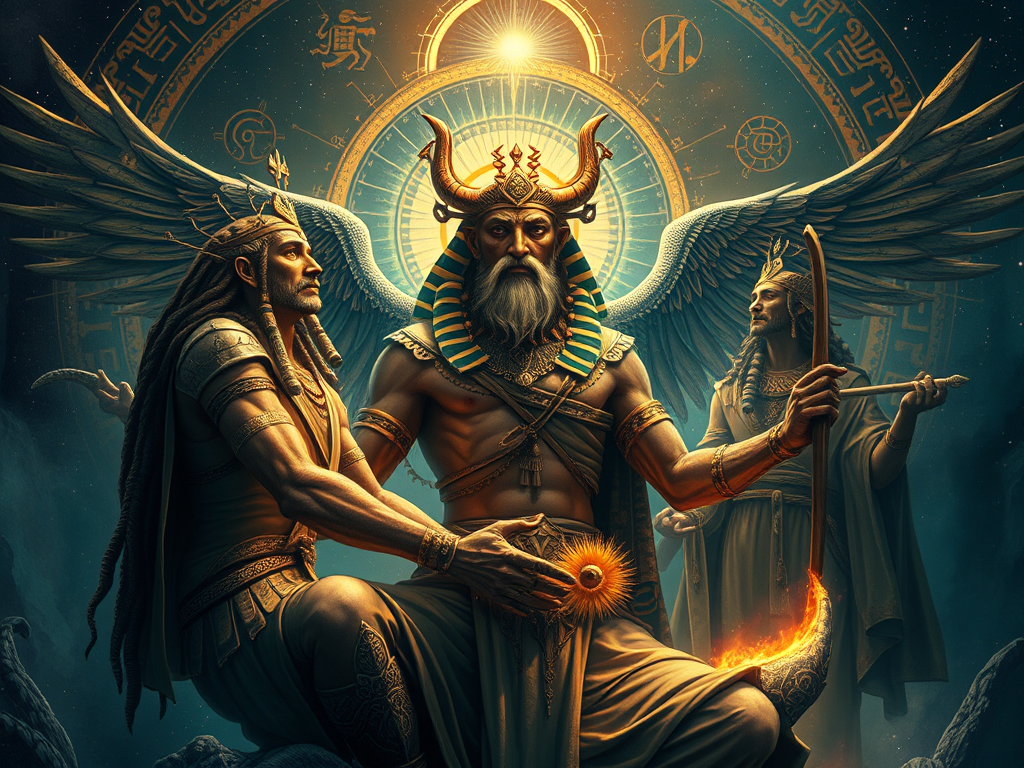
What makes the story of the Anunnaki fascinating is how it bridges materialism and spirituality. On one level, these myths seem like early attempts to explain humanity’s origins and our relationship with divine beings. But on a deeper level, they explore existential questions:
What is the purpose of creation?
Should creators dictate the destiny of their creations?
Can humanity transcend its limitations and reach divinity?
Enki and Enlil represent two spiritual paths:
Enlil’s Path: Order, submission, and structure. His vision emphasizes humanity’s limitations and the need for discipline in a chaotic world.
Enki’s Path: Freedom, growth, and rebellion against imposed limits. Enki’s actions align with the idea that divinity exists within humanity, waiting to be awakened.
From a spiritual perspective, the Anunnaki stories challenge us to consider how we balance these opposing forces in our lives. Do we seek safety and structure at the cost of our potential? Or do we embrace the risks of growth and rebellion to unlock our greater selves?
The Anunnaki as Metaphors for Spiritual Awakening

Many modern interpretations of the Anunnaki suggest extraterrestrial origins for these deities. This is particularly true for those influenced by the works of Zecharia Sitchin. Whether literal or metaphorical, the Anunnaki myths reflect humanity’s search for meaning and our desire to connect with the divine.
The genetic engineering of humanity by the Anunnaki mirrors the spiritual idea that humans are not merely physical beings. They are creations imbued with divine potential. The suppression of this potential occurs through Enlil’s strict control. It also happens through human ignorance. This reflects the spiritual struggle to overcome our limitations. It is about awakening to our true nature.
In the story of Adapa, humanity’s loss of immortality is a reminder that spiritual awakening often comes through struggle. The myths of the Flood symbolize the purging of old paradigms to make way for renewal. And Inanna’s descent into the Underworld shows that transformation requires facing our darkest truths before we can rise.
The Relevance of the Anunnaki Today
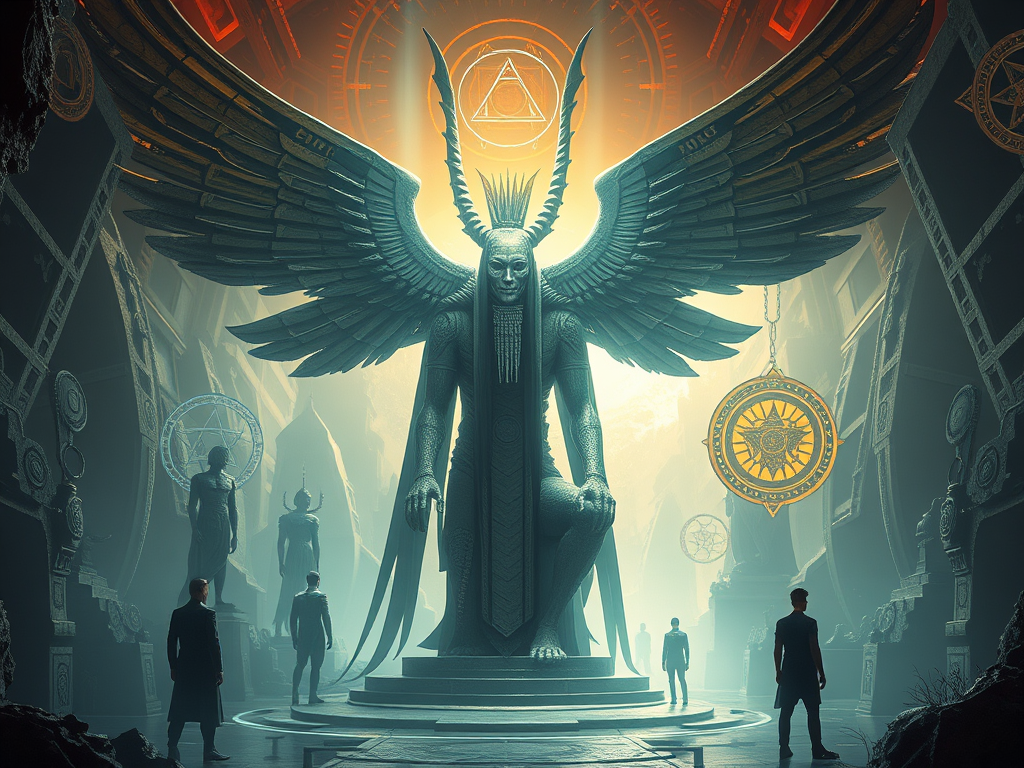
So, how do these ancient myths apply to our modern understanding of spirituality?
- Self-Realization: The conflict between Enlil and Enki symbolizes the tension within ourselves—between fear and growth, structure and freedom. Spiritual awakening comes when we embrace both aspects, learning from structure while breaking free of unnecessary limitations.
- Connection to the Divine: The Anunnaki myths remind us that the divine is not something external. It is something we carry within. Just as Enki imbued humanity with his essence, we possess the ability to co-create our reality.
- The Power of Rebellion: Spiritual evolution often requires breaking free from outdated beliefs. It necessitates moving away from systems that no longer serve us. This is much like how Enki defied Enlil to preserve humanity.
- Cosmic Responsibility: The Anunnaki’s actions reflect a broader theme of responsibility. We can believe in their literal existence. Alternatively, we may see them as archetypes. In both cases, the myths urge us to consider the impact of our choices. These choices affect ourselves, others, and the world around us.
Final Thoughts: Embracing the Anunnaki Within
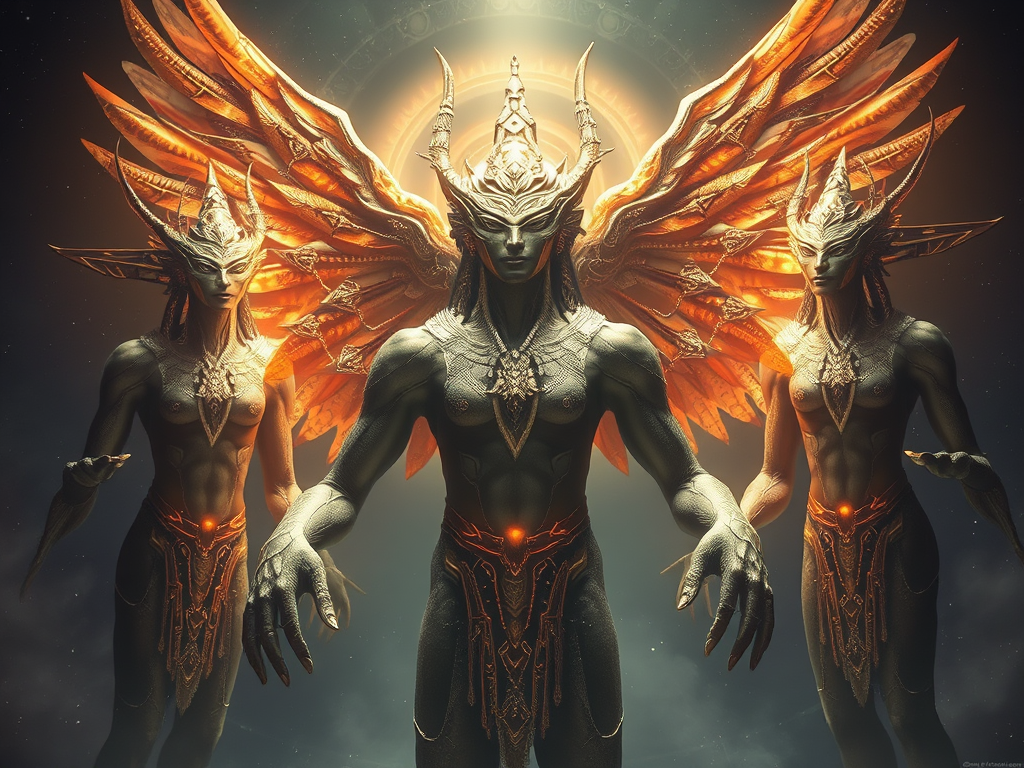
The stories of Enlil, Enki, and the Anunnaki seem like tales of gods from a distant past. However, they hold profound lessons for our spiritual journey. They challenge us to question authority, explore our divine potential, and find harmony between structure and freedom.
In the end, the truth of the Anunnaki is not about gods or extraterrestrials. It is about us. It is about our potential to transcend our limitations. We can awaken to our spiritual heritage. We can become the creators of our destiny.
What do you think?
Are these myths echoes of humanity’s past, or are they metaphors for a spiritual awakening yet to come? Let’s continue the conversation.”