
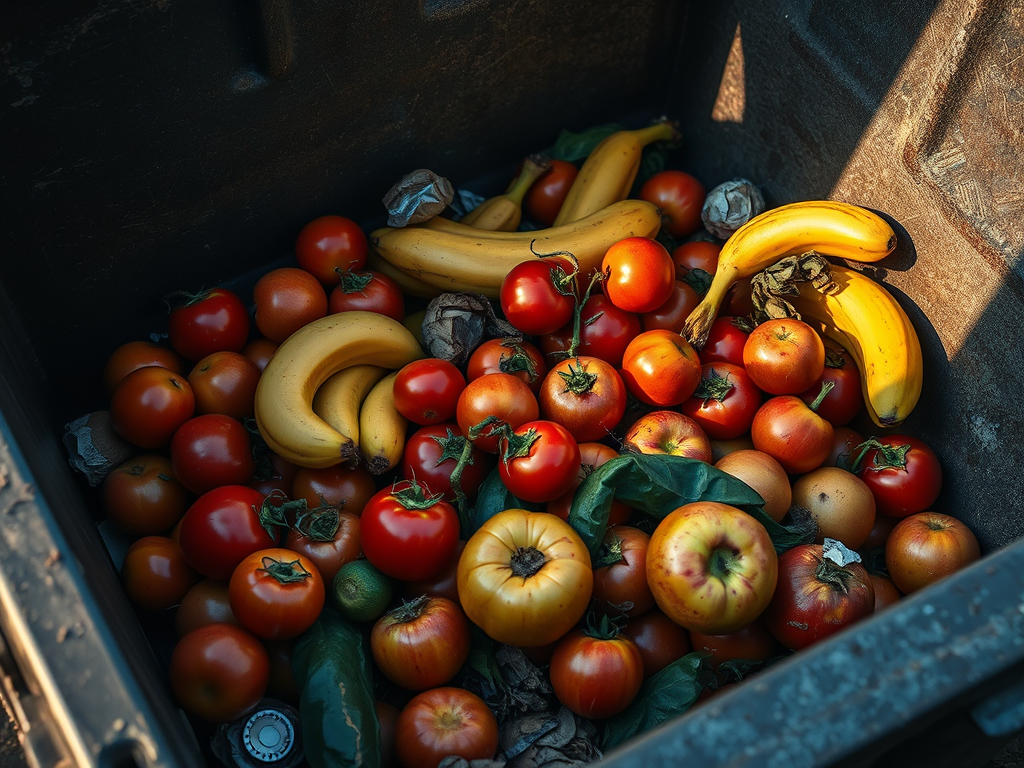

Every day, supermarkets toss out mountains of perfectly edible food—fresh fruits, vegetables, baked goods, and more—straight into dumpsters.
This heartbreaking cycle of waste happens in a world where countless people go to bed hungry. It’s a bitter pill to swallow. The resources, labor, and care that go into producing this food are discarded. Meanwhile, human lives continue to suffer.
Why does this happen? Supermarkets blame “contamination” or strict due dates, but the truth is much deeper. They let food sit on shelves, waiting for it to sell, until it’s too late.
Why let it get to the point where it can no longer be used?
Why wait until it’s too close to expiry instead of donating it when it’s still fresh and nourishing?
The saddest part is that even when someone tries to rescue this food, they’re blocked. Barriers are thrown up: “It’s contaminated,” they say. “It’s not allowed.” But why? Who is being protected here—people in need, or the profits of those who control the food supply?
The Fruits and Vegetables That Hurt the Most
The most painful image is seeing fresh, colorful produce. Bananas, tomatoes, apples, and greens are piled high in waste bins.
These are gifts from the Earth, grown by nature and nurtured by God.
The food wasn’t created by supermarkets, yet they act as if they own it completely. They profit from resources freely given by the land. When these resources no longer serve their bottom line, they discard them.
Think about it: we now pay for everything that was once free—water, land, fruits, vegetables.
God provided these things for all of us, but greed has turned them into commodities. Supermarkets and corporations, already rich beyond measure, throw away what save lives instead of redistributing it to the hungry.
A Wake-Up Call for All of Us
This is not just a problem of corporations—this is a moral crisis. We all share responsibility. While companies need to do better, we must also think about our habits. How often do we waste food in our own homes?
How often do we overlook those in need?
But let’s be clear: it is unfair. It is unjust. There is no excuse for this. If food can be saved, it should be saved. If people are starving, they should be fed.
What Can Be Done?
- Hold Supermarkets Accountable: Supermarkets must stop hiding behind excuses of contamination or expiry dates. They should take action to redistribute food before it goes bad.
- Prevent Waste Earlier: Food nearing its sell-by date should be donated before it spoils, not after. There’s no reason to let it sit until it’s too late.
- Support Rescue Initiatives: We need more businesses dedicated to intercepting this food. We also need organizations to guarantee it reaches those who need it most.
- Advocate for Policy Change: Governments must implement laws that penalize food waste and reward those who donate surplus food.
- Foster Community Action: Local groups can work together to create food-sharing networks that bypass the barriers set by corporations.
A Vision for Change
Imagine a world where no food is wasted. No child goes to bed hungry. Resources are treated with the respect they deserve. God grew these fruits and vegetables for all of us, not for them to be thrown in the trash.
The next time we see waste—or contribute to it—let’s remember the injustice. Let’s challenge the status quo, support those who fight against food waste, and change our relationship with the Earth’s blessings.
This isn’t just about food—it’s about fairness, compassion, and humanity. Together, we can build a world where no food is wasted, and no one is left behind.